

2007-2011 Nissan Altima Water Pump: Leaks, Noises, and Replacement Guide
Spot the signs of a failing water pump on your 2.5L or 3.5L Altima and learn exactly what to check before buying a used replacement.
- The 2.5L 4-cylinder and 3.5L V6 engines use completely different, non-interchangeable water pumps.
- Driving with an overheating engine due to a bad water pump can cause catastrophic engine failure; stop immediately.
- When buying a used pump, check for zero shaft play, smooth bearing rotation, and no signs of leaks from the weep hole.
- There are no specific recalls for the water pump on this vehicle; failure is a common wear-and-tear issue.
Symptoms of a Failing Water Pump

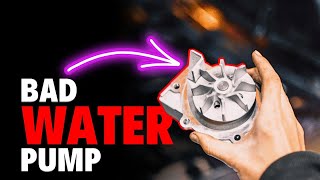
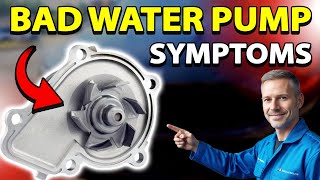
A water pump failure can be catastrophic for your engine, but it usually gives several warning signs before it fails completely. Ignoring these symptoms can lead to a blown head gasket or a seized engine. Be alert for the following signs:
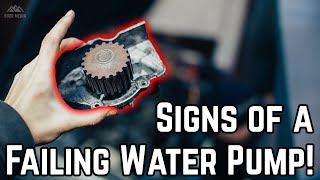
- Coolant Leaks: This is the most common symptom. You may notice puddles of green, pink, or orange fluid under the front of your car. The pump has a built-in "weep hole" that is designed to leak small amounts of coolant when the internal shaft seal starts to fail, serving as an early warning. You might also see white, crusty trails of dried coolant on or below the pump itself.
- Engine Overheating: If the water pump fails, it cannot circulate coolant, causing the engine's temperature to rise quickly. Watch for the temperature gauge on your dashboard climbing into the red zone or an engine overheat warning light. If you see steam coming from under the hood, pull over immediately and shut off the engine to prevent severe damage.
- Whining or Grinding Noise: A high-pitched whining or grinding sound coming from the front of the engine that changes with engine speed is a classic sign of a failing water pump bearing. This noise indicates the internal components of the pump are worn out and it could seize at any moment.
- Wobbly Pulley: With the engine off, you can visually inspect the water pump pulley. If the bearing is failing, the pulley may appear loose or wobble when the engine is running. You can also try to wiggle the pulley by hand (engine off and cool); there should be no play or movement.
Engine-Specific Information: 2.5L vs. 3.5L

It is critical to know that the 2007-2011 Nissan Altima was equipped with two different engines, and they use different water pumps. You must purchase the correct pump for your specific engine.
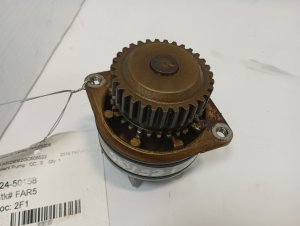
- 2.5L 4-Cylinder (QR25DE): This engine uses a water pump with OEM part numbers like B1010-F461B. It may also be cross-referenced with numbers such as 21010-F462A and 21010-8J000.
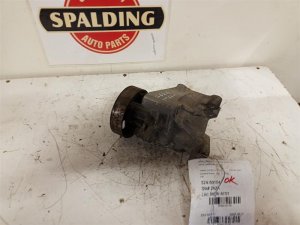
- 3.5L V6 (VQ35DE): This engine uses a different water pump, with a common OEM part number of 21010-JA11A.
Warning: These two pumps are not interchangeable. Always verify the part number and engine application before purchasing.
Buying a Used 2007-2011 Altima Water Pump

While some may hesitate to buy a used cooling system component, a low-mileage OEM water pump can be a reliable and cost-effective alternative to a new, cheap aftermarket part, which may have a higher premature failure rate. When inspecting a used OEM water pump, perform these critical checks:
- Check the Weep Hole: Carefully inspect the small weep hole on the pump body. Any signs of dried coolant residue, staining, or moisture indicate the internal seal has failed or is beginning to fail. Do not buy a pump with any evidence of leakage from this hole.
- Test the Bearing: Hold the pump housing and spin the pulley by hand. It should rotate smoothly and silently. Any grinding, roughness, or noise means the bearing is bad.
- Check for Shaft Play: Grip the pulley and try to wiggle it side-to-side and in-and-out. There should be zero noticeable play or wobble. Any movement indicates a worn bearing, and the pump should be rejected.
- Inspect the Housing: Look for any cracks, deep corrosion, or damage on the aluminum housing, especially around the bolt holes and the surface where the gasket sits. The gasket mating surface must be perfectly flat and clean.
- Verify the Impeller: Look inside the pump at the impeller (the finned wheel that moves the coolant). Ensure none of the blades are broken, cracked, or heavily corroded.
Replacement Overview & Difficulty

- Difficulty Rating: 3 out of 5 (Moderate)
- DIY Feasible: Yes, for an experienced DIYer with proper tools.
- Estimated Time: 2-4 hours.
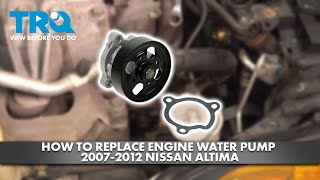
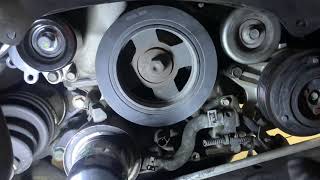
Replacing the water pump on the 2.5L Altima requires draining the cooling system, removing the serpentine belt, and unbolting the alternator to gain access to the water pump bolts. 🎬 See this step-by-step replacement walkthrough for the 2.5L engine. The process is similar for the 3.5L V6, though access may be tighter. The gasket mounting surface on the engine block must be meticulously cleaned of all old gasket material before installing the new pump and gasket to ensure a proper seal. After installation, the cooling system must be refilled with the correct type of coolant and properly bled of all air pockets.
Pro Tip: Since you are already draining the coolant and removing the belt, it is highly recommended to replace the thermostat and serpentine belt at the same time as the water pump. 🎬 Watch: How to replace the serpentine belt on a V6 engine. This can save you from having to do a similar job again in the near future.
Cost Comparison
The total cost of replacement can vary significantly based on the parts you choose and local labor rates. Here are some typical price ranges:
| Part/Service | Estimated Cost |
|---|---|
| New OEM Water Pump | $130 - $195 |
| New Aftermarket Water Pump | $50 - $120 |
| Used OEM Water Pump | $40 - $75 |
| Shop Labor | $225 - $450 |
| Total Professional Job (New Aftermarket) | $275 - $570 |
| Total Professional Job (New OEM) | $355 - $645 |
Known Issues, Recalls, or TSBs
There are no active recalls or widespread Technical Service Bulletins (TSBs) from Nissan specifically for water pump failure on the 2007-2011 Altima. Failures are generally considered a result of normal wear and tear over time and mileage. Several recalls were issued for this generation for issues like the brake master cylinder and Body Control Module (BCM), but none are related to the water pump.
Frequently Asked Questions (FAQ)
Can I drive my Altima with a failing water pump?
No. Driving with a bad water pump is extremely risky. If the pump fails to circulate coolant, the engine will rapidly overheat, which can cause warped cylinder heads, a blown head gasket, or complete engine seizure. These repairs can cost thousands of dollars. If you suspect a water pump issue, stop driving immediately.
Do the 2.5L and 3.5L engines use the same water pump?
No, they do not. The 4-cylinder and V6 engines use different parts. It is essential to buy the correct pump for your specific engine. The 2.5L uses part number B1010-F461B (and others), while the 3.5L uses 21010-JA11A.
Should I replace the thermostat and belt at the same time?
Yes, it is highly recommended. The replacement procedure requires draining the coolant and removing the serpentine belt. Since the thermostat and belt are relatively inexpensive wear items, replacing them at the same time as the water pump is efficient and can prevent future breakdowns and redundant labor costs.
What type of coolant does the 2007-2011 Nissan Altima use?
The 2007-2011 Nissan Altima requires genuine Nissan Long Life Antifreeze/Coolant (blue) or an equivalent Asian vehicle blue formula, phosphate-enhanced OAT coolant. Using the wrong type of coolant can lead to corrosion and damage to cooling system components, including the new water pump.
Helpful Videos
Technical Specifications
OEM Part Numbers: B1010-F461B (2.5L) 21010-F462A (2.5L) 21010-8J000 (2.5L) 21010-JA11A (3.5L) 21010-JA10A (3.5L)
Drive Type: Serpentine Belt Driven. Housing Material: Aluminum. Impeller Material: Steel or Composite.
We Have This Part in Stock

The information in this article is provided for general reference and educational purposes only. Vehicle specifications, procedures, and part compatibility can vary by production date, trim level, and region. Always consult your vehicle's factory service manual and verify part numbers before purchasing or performing repairs. Safety-critical components such as airbags, seat belts, and braking systems should be installed by a qualified professional.
- Nissan Altima: