

Audi 4.0T V8 Cooling System Failures: Pumps, Valves & Leaks on A8, S6, S7, RS7 & S8 (2013-2018)
A complete guide to diagnosing and replacing the multiple water pumps, control valves, and common leak points in the complex cooling system of the 2013-2018 Audi 4.0T V8 engine.
- The 4.0T engine has multiple cooling components that can fail: a main mechanical pump, electric auxiliary pumps, and several control valves.
- The most critical failure is the main water pump leaking coolant internally into the engine oil, which can destroy the engine. Check for milky oil.
- No cabin heat is almost always caused by the heater control valve (P/N 4H0121671D), which is a common and relatively easy part to replace.
- Unexplained coolant loss with no visible drips often points to a leaking intercooler in the 'V' of the engine, a complex and expensive repair.
Understanding the 4.0T Cooling System: More Than Just One Pump

When diagnosing a cooling issue on the Audi 4.0T V8 engine, it's critical to understand that there isn't just one water pump. The system is comprised of several key parts, and failure of any one can cause problems. This guide covers the main components found in the 2013-2018 Audi A8, 2013-2016 Audi S6, 2014-2018 Audi RS7, 2013-2018 Audi S7, and 2013-2017 Audi S8.
- Mechanical Water Pump: The primary pump, driven by the engine's accessory belt. It's responsible for the bulk of coolant circulation through the engine block.
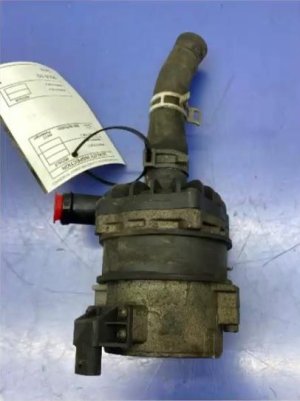
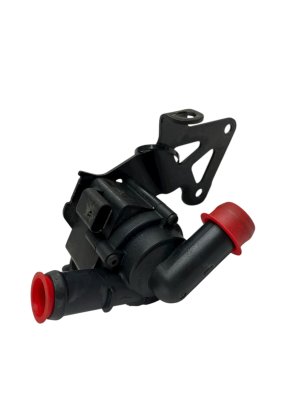
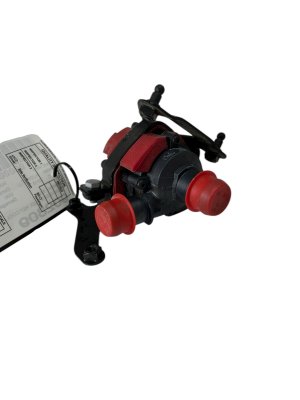
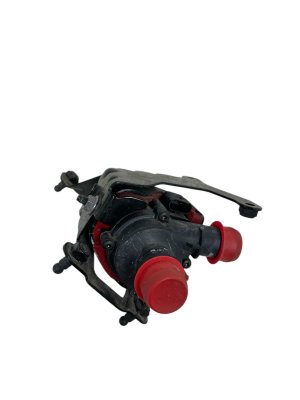
- Auxiliary Coolant Pumps: These are electric pumps with specific jobs. The most important one is the turbocharger after-run pump, which prevents heat damage to the turbos after you turn the car off. Another may assist with cabin heating.
- Heater Control Valve (N82): An electrically controlled valve that regulates the flow of hot coolant to the heater core, controlling the cabin temperature.
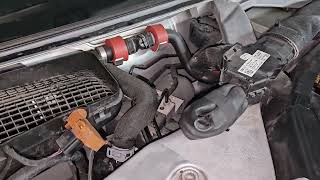
- Coolant Shutoff Valve: A vacuum-operated valve that blocks coolant flow on cold starts to help the engine warm up faster. It can fail and stick closed, causing overheating.
Symptoms of Cooling System Failure

Symptoms can vary widely depending on which component has failed. Below are the most common issues tied to specific parts.
1. Engine Overheating
This is the most serious symptom. If you see the temperature gauge in the red or get an explicit warning to shut off the engine, pull over immediately and safely turn off the car.
- Rapid Overheating at All Times: This often points to the main mechanical water pump. The internal bearing can fail, or the impeller can stop moving coolant effectively.
- Overheating Under Load (e.g., highway driving) but Normal at Idle: This can be a symptom of the coolant shutoff valve being stuck closed, restricting flow when the engine needs it most. It can also indicate a failing thermostat.
- Fans Run for a Long Time After Shutdown: This is often normal, as the turbo after-run auxiliary pump is doing its job. However, if it happens constantly even after short, gentle drives, it could be a sign of an underlying issue causing excessive heat.
2. Coolant Leaks & Unexplained Coolant Loss
Pro Tip: Audi coolant is typically pink or purple (G12/G13). Look for pink, crusty residue on components or drips on the ground to trace leaks.
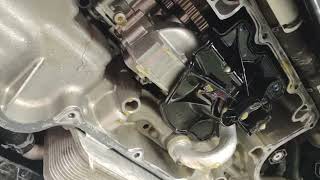
- Catastrophic Coolant Loss into Engine Oil: The most dangerous failure on the 4.0T is when the rear seal of the mechanical water pump fails. It is designed in a way that a seal failure can dump coolant directly into the oil crankcase. This creates a milky, contaminated oil that destroys bearings and can lead to complete engine seizure. If you suspect this, check the oil dipstick and oil cap for a creamy, milkshake-like substance. Do not drive the vehicle. 🎬 Watch: See how coolant leaks into the oil crankcase.
- Visible Drips from Hoses or Valves: The heater control valve (N82) is a common source of slow leaks. Check the valve body and its hose connections. The O-rings on various coolant pipes, especially those connected to the turbos, can also dry out and leak.
- Coolant Loss with No Visible Leak: If you are constantly adding coolant but see no drips on the ground, you may have an internal leak. The most common culprit is the water-to-air intercooler (located in the engine's 'V'), which can leak coolant into the air intake. This often produces sweet-smelling white smoke from the exhaust, especially on startup.
3. Cabin Heat & A/C Problems
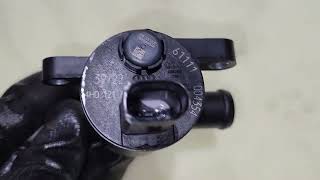
These issues almost always point to the Heater Control Valve (N82), part number 4H0121671D.
🎬 See this simple fix for cabin heat issues.- No Heat in the Cabin: The valve is likely stuck closed, preventing hot coolant from reaching the heater core.
- Heat is Stuck On / A/C Blows Warm: The valve is likely stuck open, allowing hot coolant into the heater core even when you want cold air.
- Fault Codes for Heater Valve: A common failure involves coolant leaking internally into the valve's electrical connector, causing corrosion and fault codes like P1880.
Known Issues, TSBs, and Recalls

Several Technical Service Bulletins (TSBs) have been issued for the 4.0T cooling system.
- TSB 2074303/6: Addresses engine overheating and points technicians to diagnose the mechanical coolant pump and its vacuum control system.
- TSB 2065040/3: Instructs technicians that if the mechanical pump is replaced for a leak, they must also inspect the vacuum control line and switch valve (N649) for coolant contamination and replace them if necessary to prevent a repeat failure.
- TSB 2038045/1: Pertains to a Check Engine Light with code P2181 (Cooling System Performance), often caused by the thermostat not closing properly due to debris from manufacturing. The fix involves flushing the system and replacing the thermostat.
- TSB A191790 / 2048936: Clarifies that minor coolant stains or 'marks' around the mechanical water pump's weep hole can be normal for seal lubrication. The pump should not be replaced unless there is a confirmed customer complaint of coolant loss.
Warning: The most critical issue for the 4.0T engine is turbocharger failure from a clogged oil screen (Recall 21H7 / TSB 2044640). While not a direct cooling system part, overheating and cooling system issues can exacerbate problems in the 'hot-V' of the engine where the turbos are located.
🎬 Watch: An honest breakdown of 4.0T engine reliability.Buying a Used 4.0T Cooling Component
Given the high cost of new OEM parts, a used component can be a smart choice, but careful inspection is key. This is especially true for the various pumps and valves.
- Verify Part Numbers: The 4.0T engine has many running changes and variations. Always match the OEM part number from your old part to the used one you are buying. The numbers listed in this guide are a starting point, but visual confirmation is best.
- Physical Inspection is Crucial:
- Check for Residue: Look for any signs of dried pink coolant. This indicates a past leak. On a valve or pump body, this is a major red flag.
- Inspect Electrical Connectors: On parts like the heater control valve (4H0121671D), check the pins inside the connector. They should be clean and shiny. Any green or white corrosion means coolant has leaked internally and the part is bad.
- Look for Cracks: Carefully inspect all plastic housings and hose connections for hairline cracks, which can be caused by heat cycles and age.
- For Mechanical Pumps: Spin the pulley by hand. It should be smooth with no grinding or excessive play. Check the weep hole for any signs of major leakage (a slight stain might be normal per TSBs).
- Mileage vs. Condition: For these components, physical condition is more important than mileage. A clean, leak-free valve from a 100,000-mile car is better than a leaking one from a 50,000-mile car.
- Why Used OEM is Often Better: For complex electronic valves and pumps, a used Original Equipment (OEM) part that has been inspected is often more reliable than a cheap, new aftermarket part. The fit, connector quality, and internal electronics are designed specifically for the vehicle's systems.
Cost of Replacement

Costs can vary significantly based on which part has failed and the labor involved. Parts located in the 'V' of the engine (like the thermostat) require significantly more labor than parts on the exterior.
| Part | New OEM (Dealer) | New Aftermarket | Used OEM (Recycled) | Estimated Shop Labor |
|---|---|---|---|---|
| Mechanical Water Pump (079121013R) | $450 - $600 | $150 - $300 | $75 - $150 | $600 - $900 |
| Heater Control Valve (4H0121671D) | $200 - $280 | $50 - $120 | $40 - $80 | $150 - $250 |
| Auxiliary Turbo Pump (8K0965567) | $250 - $350 | $80 - $150 | $50 - $100 | $200 - $400 |
| Thermostat Assembly | $200 - $300 | $100 - $180 | $50 - $90 | $800 - $1200+ (in engine 'V') |
Frequently Asked Questions (FAQ)
Is it normal for the fans to run after I shut my Audi off?
Yes, this is often normal. The 4.0T engine uses an electric auxiliary pump to circulate coolant through the hot turbochargers after the engine is off to cool them down properly. This prevents oil from cooking inside the turbos. The fans run to dissipate this heat. It's a feature, not a bug. However, if it happens after every single drive, no matter how short, it could indicate an underlying issue causing higher-than-normal temperatures.
My mechanic says I need a new water pump, but which one?
You need to ask for clarification. Ask for the specific symptom or the diagnostic trouble code (DTC). If the car is overheating, it could be the main mechanical pump. If you have no heat, it's likely the heater control valve. If you have a code for the 'after-run' system, it's an auxiliary electric pump. The term 'water pump' is too generic for this engine.
Can I replace just the leaking O-ring or do I need to replace the whole part?
It depends. For a leaking coolant pipe connector, replacing just the O-ring is often sufficient. However, for components like the heater control valve, if the leak is from the main body or has contaminated the electronics, the entire valve must be replaced. Given the labor involved, it's often wise to replace the component rather than just a seal to avoid doing the job twice.
What is the coolant shutoff valve delete and should I do it?
The coolant shutoff valve is a vacuum-actuated part that can stick closed and cause overheating. Some owners choose to install a 'delete kit' which is essentially a piece of pipe that removes the valve entirely, ensuring coolant can always flow. This is a modification for reliability, especially on tuned cars or in hot climates. The only downside is a slightly longer engine warm-up time in cold weather.
Helpful Videos


Technical Specifications
OEM Part Numbers: 079121013R 079121010B 4H0121671D 4H0121671B 8K0965567 8K0965567D 06H121601M 06H121601A
System includes a primary mechanical water pump, at least one electric auxiliary pump for turbo after-run cooling, and multiple solenoid-operated valves for heater and system control.
We Have This Part in Stock



The information in this article is provided for general reference and educational purposes only. Vehicle specifications, procedures, and part compatibility can vary by production date, trim level, and region. Always consult your vehicle's factory service manual and verify part numbers before purchasing or performing repairs. Safety-critical components such as airbags, seat belts, and braking systems should be installed by a qualified professional.
- Audi A8:
- Audi S6:
- Audi RS7:
- Audi S7:
- Audi S8:
- 🎬 Helpful Videos
- 🛍️ Shop This Part
- Understanding the 4.0T Cooling System: More Than Just One Pump
- Symptoms of Cooling System Failure
- 1. Engine Overheating
- 2. Coolant Leaks & Unexplained Coolant Loss
- 3. Cabin Heat & A/C Problems
- Known Issues, TSBs, and Recalls
- Buying a Used 4.0T Cooling Component
- Cost of Replacement
- Frequently Asked Questions (FAQ)
- 🎟️ Get 5% Off