

Ford & Lincoln 3.5L/3.7L V6 Rear Valve Cover Leaks: 2007-2014 Edge, Taurus, Flex & More
This guide explains the common burning oil smell and oil leaks caused by the difficult-to-access passenger-side rear valve cover on many Ford, Lincoln, and Mazda vehicles.
- This guide is for the passenger-side (rear) valve cover, which requires removing the intake manifold to access, making it a difficult and labor-intensive job.
- The most common symptom of failure is a strong burning oil smell caused by oil dripping onto the hot exhaust.
- Failure is often caused by the plastic cover warping or cracking from heat, not just a bad gasket. Always inspect a used cover for flatness and cracks.
- Oil leaking into the spark plug tubes is a frequent consequence, leading to engine misfires and a Check Engine Light.
Symptoms of a Failing Passenger-Side Valve Cover

When the passenger-side (rear) valve cover or its gasket fails on these vehicles, the signs are often more noticeable than a simple drip on the garage floor. Because of the cover's location above the hot exhaust manifold, even a small leak can produce dramatic symptoms.
- Burning Oil Smell: This is the most common and immediate symptom. Oil leaks from the rear valve cover and drips directly onto the hot exhaust system, instantly burning off and creating a strong, acrid smell that is often drawn into the cabin through the ventilation system, especially when the vehicle is stopped.
- Visible Oil Leaks and Grime: You may see oily residue, wetness, or a buildup of dirt and grime on the passenger side of the engine, particularly on the cylinder head and exhaust manifold shield.
- Engine Misfires or Rough Idle: The spark plugs are located in tubes that pass through the valve cover. When the seals for these tubes fail, oil can fill the spark plug wells, shorting out the ignition coil and spark plug. This can cause the engine to run rough, hesitate, and will likely trigger a Check Engine Light with misfire codes (e.g., P0300, P0301-P0306).
- Low Engine Oil Level: A persistent leak will cause your engine's oil level to drop over time, requiring you to top it off between oil changes. Driving with a very low oil level can cause severe engine damage.
- Check Engine Light for Lean Conditions (P0171, P0174): In some cases, a badly warped valve cover or a severely degraded gasket can cause a vacuum leak. This allows unmetered air to enter the engine, which can trigger lean codes.
Why This Part Fails: More Than Just a Gasket

While the rubber gasket is often blamed, the failure is frequently due to the plastic valve cover itself. After thousands of heat cycles, two things can happen:
- The Gasket Hardens: The original rubber gasket becomes hard, brittle, and shrinks. It loses its ability to create a proper seal, allowing oil to seep out.
- The Plastic Cover Warps or Cracks: The composite plastic of the valve cover can warp from the intense engine heat. A warped cover will no longer sit flat against the cylinder head, creating gaps that even a new gasket can't seal. Hairline cracks can also develop, especially around the bolt holes where stress is concentrated.
Pro Tip: The integrated Positive Crankcase Ventilation (PCV) system can also be a contributor. If the PCV valve or passages become clogged, pressure builds inside the engine. This pressure can force oil past gaskets and seals, causing leaks to appear or worsen. Ford issued Technical Service Bulletin (TSB) ASI-44354 related to oil collecting in the PCV baffle area of the valve cover.
The Critical Difference: Front vs. Rear (Passenger Side) Replacement

On a transverse-mounted V6 like the one in these vehicles, there are two valve covers. The front cover (driver's side, Bank 2) is relatively easy to access. However, the passenger-side cover (right side, Bank 1) is on the rear of the engine, tucked against the firewall. Replacing this rear cover is a significantly more difficult and labor-intensive job because the entire upper intake manifold must be removed to access it. This is why repair quotes for a "valve cover gasket" on these vehicles can be surprisingly high.
Warning: This guide specifically covers the passenger-side (rear) valve cover, which is the more common source of noticeable leaks due to its position over the exhaust. The replacement procedure is not for beginners.
Buying a Used Engine Valve Cover: A Buyer's Checklist

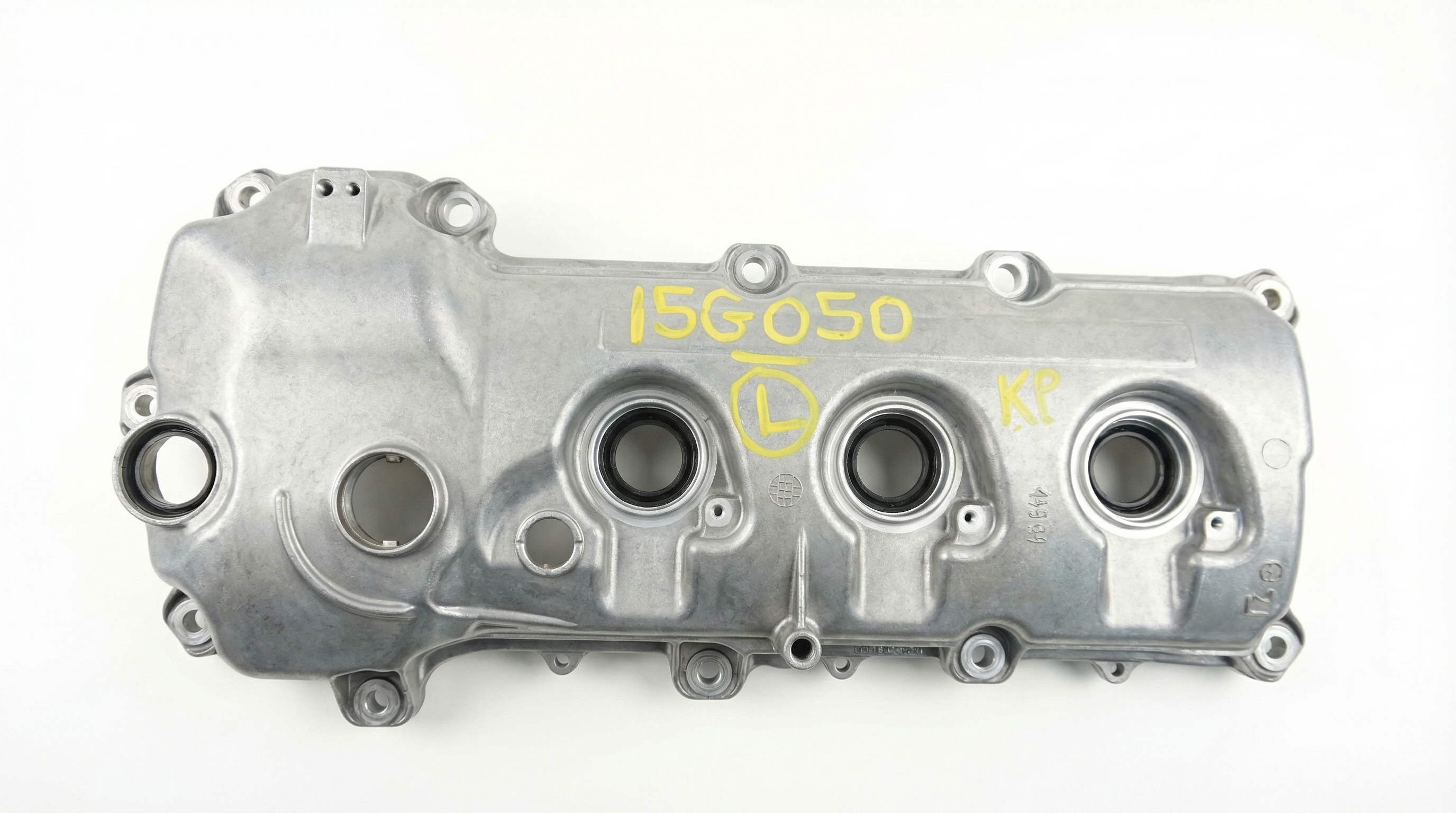
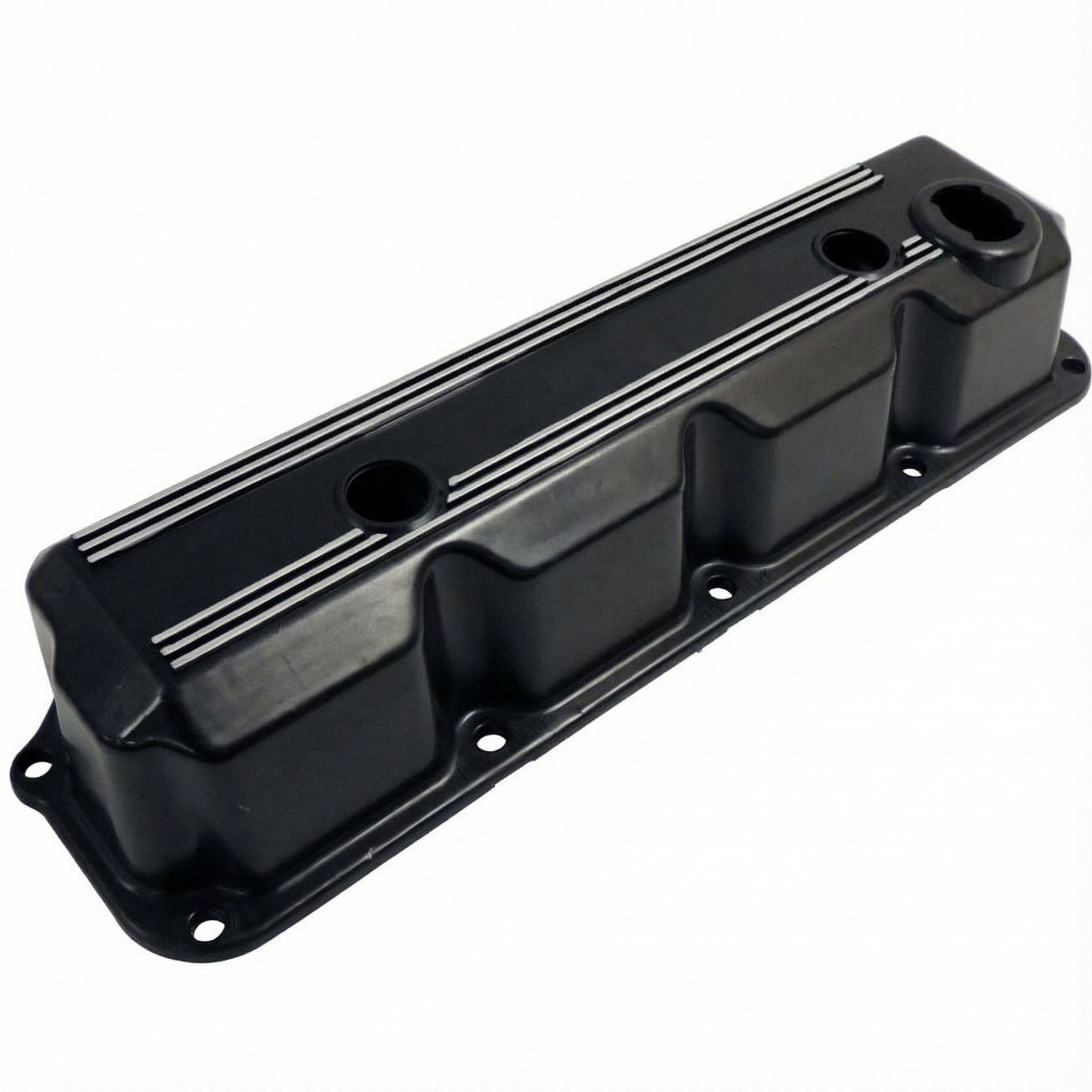
A high-quality, recycled OEM valve cover is an excellent alternative to expensive new parts, especially when the original design is robust. However, given that these plastic covers can fail from heat stress, careful inspection is essential.
- Check for Cracks: This is the most important inspection. Carefully examine the entire cover, paying close attention to the areas around each bolt hole and the corners. Bend and flex the part slightly to reveal any hidden hairline cracks. A cracked cover is useless.
- Verify Flatness: Lay the cover's gasket surface on a known flat workbench or piece of glass. Press on the corners to see if it rocks or wobbles. Any significant warping means it will not seal properly against the cylinder head and should be rejected.
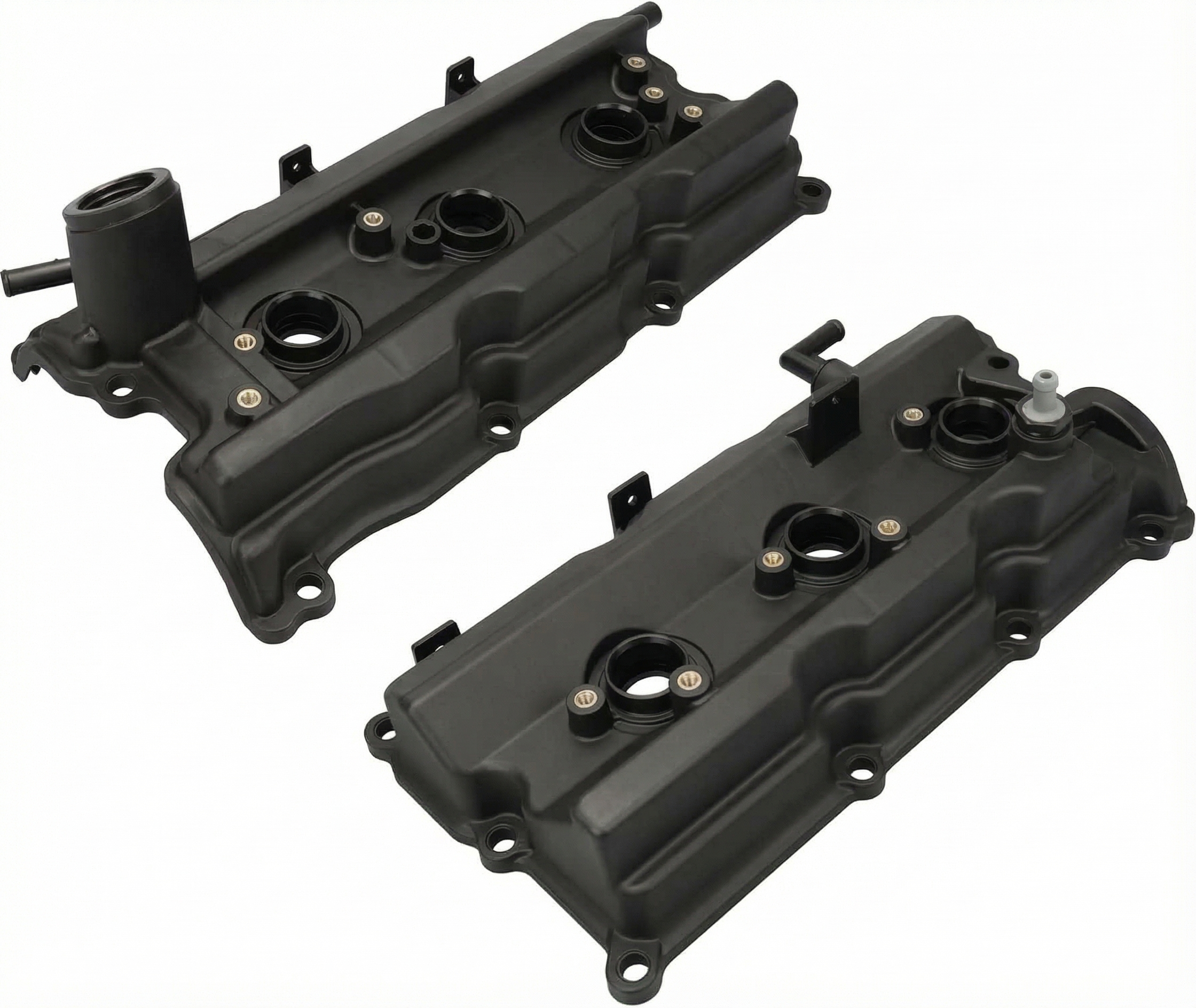
- Inspect Spark Plug Tubes: Look at the integrated spark plug tubes. Ensure they are not cracked or broken where they join the main body of the cover.
- Cleanliness of PCV Baffle: Look inside the cover at the baffled area for the PCV system. Excessive, thick sludge can indicate a poorly maintained engine and may be difficult to clean out completely. A cover from a well-maintained engine will have only a thin, oily film.
- Ignore the Old Gasket: The condition of the old gasket on the used part is irrelevant. You must always install a new valve cover gasket and new spark plug tube seals. These are inexpensive and critical for a leak-free repair.
Cost of Replacement
The cost is dominated by labor due to the need to remove the intake manifold for the rear cover. Doing it yourself or using a recycled part can lead to significant savings.
| Item | Estimated Cost |
|---|---|
| New OEM Valve Cover | $110 - $160 |
| New Aftermarket Valve Cover Kit | $50 - $100 |
| Used OEM Valve Cover | $40 - $85 |
| Shop Labor (Rear Cover) | $450 - $1,400+ |
Vehicle Fitment & Part Numbers

This passenger-side (right, rear) valve cover fits the following vehicles equipped with the naturally aspirated (non-turbo) 3.5L or 3.7L V6 engine:
- 2007-2014 Ford Edge
- 2008-2012 Ford Taurus
- 2009-2012 Ford Flex
- 2008-2009 Ford Taurus X
- 2009-2012 Lincoln MKS
- 2010-2012 Lincoln MKT
- 2007-2010 Lincoln MKX
- 2007 Mazda CX-9
Known OEM part numbers for the passenger side cover. These numbers may have superseded over time but are interchangeable for this application:
- 7T4Z-6582-F
- AA5Z-6582-A (Note: Some sources show this as a driver-side part number, verify with seller)
- BR3Z-6582-V
Frequently Asked Questions (FAQ)
Is it safe to drive with a leaking valve cover?
You can drive for a short time with a minor leak, but it's not recommended long-term. The primary risk is fire if enough oil drips onto the hot exhaust manifold. Additionally, if the leak is severe enough to cause a significant loss of oil, you risk catastrophic engine damage. The burning oil smell is a clear warning that the issue needs to be addressed promptly.
Do I have to replace the whole valve cover, or can I just change the gasket?
You can attempt to replace only the gasket, but if the original plastic valve cover is warped or cracked, the leak will return quickly. Since the labor to access the rear cover is so extensive, it is highly recommended to replace the cover itself at the same time to ensure a long-lasting repair. New OEM and aftermarket covers often come with new gaskets and seals pre-installed.
Why is the repair quote so high for a simple gasket?
The cost is high because for the passenger-side (rear) cover, the mechanic must spend several hours removing the upper intake manifold and various other components just to access the valve cover. The part itself is relatively inexpensive, but the labor is significant.
Can a bad valve cover cause my car to fail an emissions test?
Yes. An active oil leak can cause a visual inspection failure. More significantly, if the leak causes a misfire or a vacuum leak that triggers the Check Engine Light, the vehicle will automatically fail an emissions test.
Technical Specifications
OEM Part Numbers: 7T4Z-6582-F BR3Z-6582-V
Material: Composite Plastic. Location: Engine Bank 1 (Rear, Passenger Side). Fits 3.5L & 3.7L Naturally Aspirated V6 engines.
We Have This Part in Stock

The information in this article is provided for general reference and educational purposes only. Vehicle specifications, procedures, and part compatibility can vary by production date, trim level, and region. Always consult your vehicle's factory service manual and verify part numbers before purchasing or performing repairs. Safety-critical components such as airbags, seat belts, and braking systems should be installed by a qualified professional.
- Ford Edge:
- Ford Taurus:
- Lincoln MKS:
- Lincoln MKT:
- Lincoln MKX:
- Ford Flex:
- Mazda CX-9:
- Ford Taurus X:
- 🛍️ Shop This Part
- Symptoms of a Failing Passenger-Side Valve Cover
- Why This Part Fails: More Than Just a Gasket
- The Critical Difference: Front vs. Rear (Passenger Side) Replacement
- Buying a Used Engine Valve Cover: A Buyer's Checklist
- Cost of Replacement
- Vehicle Fitment & Part Numbers
- Frequently Asked Questions (FAQ)
- 🎟️ Get 5% Off