

2011-2019 Ford & Lincoln 3.7L V6 Valve Cover Oil Leaks, Symptoms & Replacement
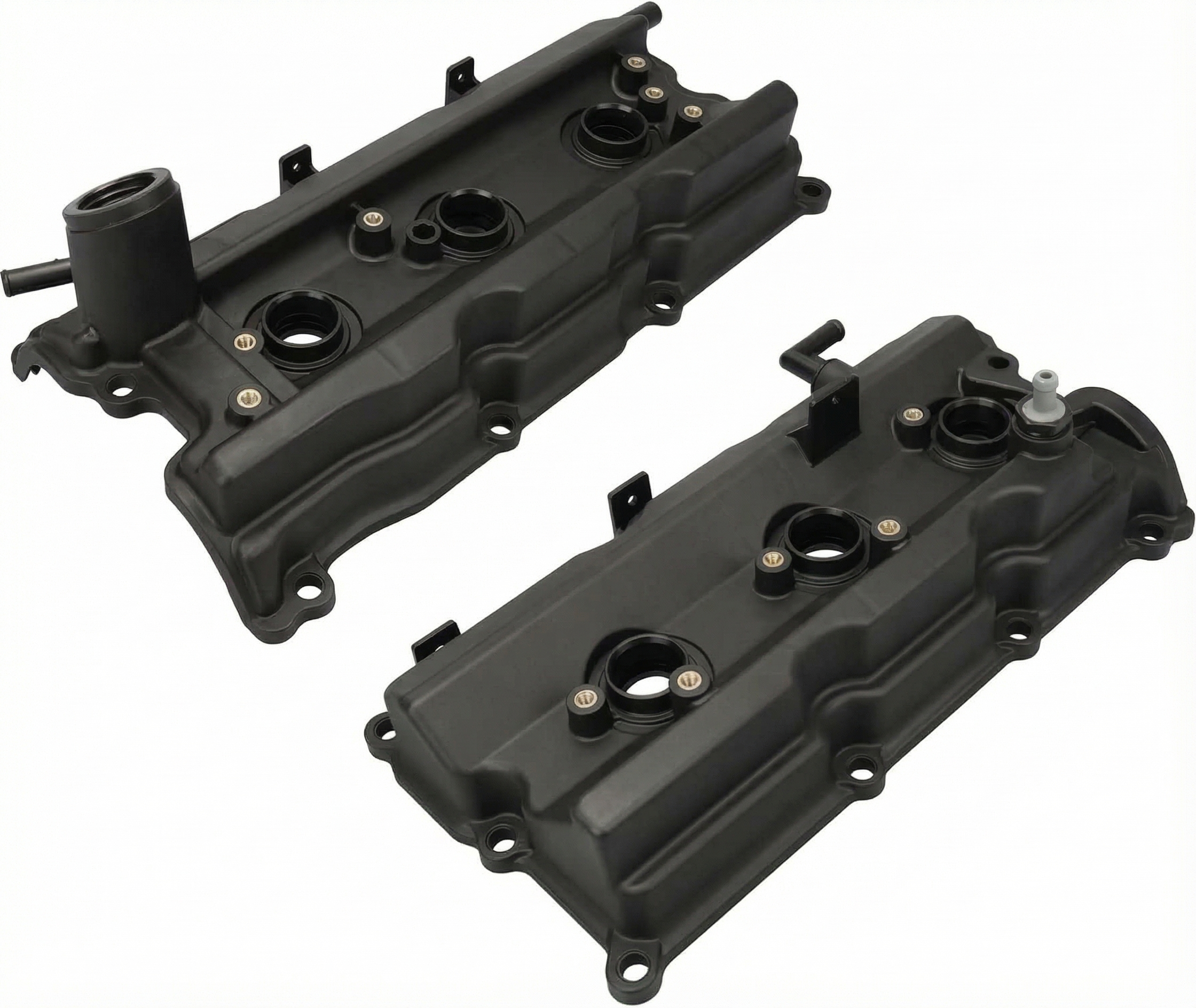
This guide covers the common oil leaks, symptoms, and replacement costs for the right-side engine valve cover on the 3.7L V6 found in the Ford Edge, Explorer, Taurus, Flex, and Lincoln MKS, MKT, MKX, and MKZ.
- The most common failure symptom is oil leaking into the spark plug wells, causing engine misfires and a check engine light.
- This guide is for the RIGHT (Passenger Side) valve cover on the 3.7L V6 engine only.
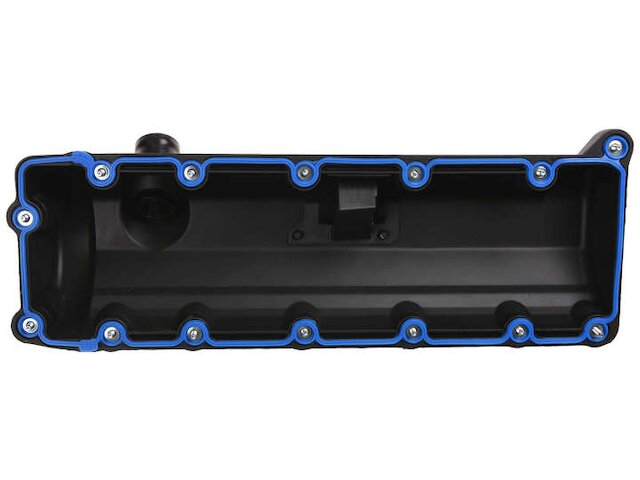
- When buying a used cover, check for cracks (especially at bolt holes) and warping by placing it on a flat surface.
- An updated OEM valve cover was released to fix an issue where oil was being pulled into the air intake via the PCV system.
Vehicle Application List

This specific right (passenger side) engine valve cover is used on the 3.7L non-turbo V6 engine in the following North American market vehicles:
- 2011-2017 Ford Edge
- 2011-2019 Ford Explorer (Primarily Police Interceptor Utility models)
- 2011-2019 Ford Taurus
- 2011-2019 Ford Flex
- 2011-2017 Lincoln MKS
- 2013-2019 Lincoln MKT
- 2011-2018 Lincoln MKX
- 2011-2019 Lincoln MKZ
Pro Tip: While many of these vehicles also came with a 3.5L engine, this guide and the associated part numbers are specific to the 3.7L V6. The Ford Explorer civilian models typically used other engines, while the 3.7L was the standard engine for the Police Interceptor Utility model.
Symptoms of a Failing Valve Cover

When a valve cover or its integrated gaskets fail on these Ford and Lincoln models, the signs are usually obvious. The failure can be the main gasket itself becoming hard and brittle, the plastic cover cracking or warping from heat cycles, or the spark plug tube seals failing.
1. Burning Oil Smell
This is often the first and most common symptom. A leaking valve cover allows oil to drip onto the hot exhaust manifold or other engine components. This creates a distinct burning smell that you may notice inside the car, especially when stopped, or outside the vehicle after a drive.
2. Visible Oil Leaks and Grime
You may see wetness or fresh oil on the side of the engine, particularly around the seam where the valve cover meets the cylinder head. Over time, this leaking oil will attract dirt and dust, creating a thick, grimy buildup on the side of the engine block.
3. Oil in Spark Plug Wells & Engine Misfires
The spark plugs on the 3.7L V6 are located in tubes that pass through the valve covers. These tubes are sealed by small, round gaskets integrated into the valve cover assembly. When these seals fail, oil leaks into the spark plug wells, pooling around the spark plug and ignition coil. This can saturate the ignition coil boot, causing the engine to misfire, run rough, hesitate on acceleration, or trigger the Check Engine Light with misfire codes (e.g., P0300-P0306).
4. Low Engine Oil Level
A persistent oil leak will cause your engine oil level to drop over time, potentially triggering the low oil light on your dashboard. If the leak is severe, you may need to add oil between regular oil changes.
5. Oil in the Air Intake or on the Air Filter
In some cases, a problem with the internal PCV (Positive Crankcase Ventilation) baffle inside the valve cover can cause oil to be sucked into the engine's air intake system. This can lead to an oil-soaked air filter, oil pooling in the intake tube, and increased oil consumption. Ford issued a TSB (ASI-44354) related to this issue on the front (left) valve cover, but the principle applies to the PCV system as a whole. An updated valve cover design was released to address this oil pull-through issue.
Known Issues, TSBs, and Recalls

While there are no specific recalls for this valve cover, there are related Technical Service Bulletins (TSBs) for the 3.7L engine platform.
- TSB 12-1-17: Some 2011 Edge, MKX, Explorer, and 2011-2012 Mustang vehicles with the 3.7L engine built on or before May 1, 2011, could exhibit a ticking noise from the left-hand (front) valve cover area on a cold start. This TSB involves a repair to the camshaft caps under the valve cover.
- TSB ASI-44354: This bulletin addresses an issue on some models where oil accumulates in the PCV baffle of the front (left) valve cover and gets pulled into the air intake. The fix is to replace the valve cover with an updated part. While this TSB is for the left cover, it highlights a known design issue with the PCV system that can cause oil consumption.
Buying a Used Engine Valve Cover: What to Check

A used OEM valve cover can be a cost-effective and reliable alternative to an expensive new part, especially when compared to cheap aftermarket options that may have poor fitment. Here’s what to inspect before buying:
- Check for Cracks: Carefully inspect the entire plastic cover, paying close attention to the bolt holes and corners. These areas are prone to cracking from over-tightening or heat stress. A hairline crack will cause a persistent leak, even with a new gasket.
- Verify Flatness: Lay the cover on a known flat surface (like a countertop or piece of glass) to check for warping. A warped cover will not create an even seal against the cylinder head and will leak.
- Inspect Spark Plug Tube Seals: Look at the integrated round seals for the spark plug tubes. They should be pliable and free of cracks or brittleness. If they are hard and flat, they will not seal properly.
- Examine PCV Baffles: Look inside the cover at the internal baffles for the PCV system. Check for heavy sludge buildup or signs of damage. Excessive sludge could indicate poor engine maintenance on the donor vehicle.
- Confirm Part Number: Whenever possible, match the part number stamped on the cover to the OEM numbers listed in this guide to ensure compatibility.
Cost Breakdown for Replacement
The cost to replace the right-side valve cover varies depending on the part source and labor rates. The passenger side cover is generally easier and cheaper to replace than the driver's side, which often requires removing the intake manifold.
| Part/Service | Estimated Cost | Notes |
|---|---|---|
| New OEM Valve Cover | $110 - $210 | Price for a single cover from a Ford/Lincoln dealer. |
| New Aftermarket Valve Cover | $90 - $130 | Price varies by brand (e.g., Dorman) and quality. |
| Used OEM Valve Cover | $50 - $100 | Dependent on condition and source. Offers OEM fit at a lower price. |
| Shop Labor | $250 - $450 | Labor for the right (passenger) side only. The rear/left side is significantly more. |
Replacement Difficulty
- Difficulty Rating: 2/5 (for Right/Passenger Side)
- Estimated Time: 1.5 - 2.5 hours
- DIY Feasible: Yes
Replacing the right-side (passenger) valve cover is a manageable DIY job for someone with basic tools and mechanical experience. The process involves removing the air intake components, disconnecting some wiring and hoses, unbolting the ignition coils, and then removing the valve cover bolts. The rear (driver's side) cover is much more difficult (4/5 difficulty) as it requires removing the upper intake manifold to gain access.
Warning: The 3.7L engine is known for spark plugs that can be difficult to remove. It is recommended to warm the engine up for a few minutes before attempting to remove the spark plugs to reduce the risk of stripping the threads in the aluminum cylinder head.
Frequently Asked Questions
Can I just replace the gasket instead of the whole valve cover?
Yes, if the plastic valve cover itself is not cracked or warped, you can replace just the gasket set. However, the spark plug tube seals are integrated into the valve cover on many of these models and are not sold separately. If your leak is coming from the tube seals (causing oil in the spark plug wells), you must replace the entire valve cover.
Is it safe to drive with a leaking valve cover?
You can drive with a minor leak, but it's not recommended for long. A significant leak can lower your oil level, leading to engine damage. Additionally, oil dripping onto a hot exhaust manifold is a potential fire hazard.
Why is the rear (driver's side) valve cover so much harder to replace?
On these transversely mounted V6 engines, the rear cylinder bank is tucked under the cowl and the upper intake manifold. To access the rear valve cover, the entire intake manifold assembly must be removed, which adds significant time and complexity to the job.
What are the torque specs for the valve cover bolts?
The torque spec for the valve cover bolts is typically around 89 inch-pounds (about 7.4 ft-lbs). It is critical to tighten the bolts in the correct sequence and not to over-torque them, as this can crack the plastic valve cover. Always consult a service manual for the specific sequence for your vehicle.
Technical Specifications
OEM Part Numbers: 7T4Z-6582-F AA5Z-6582-E BR3Z-6582-R BR3Z-6582-V
Material: Plastic. Includes integrated spark plug tube seals and PCV baffling. Gasket is typically included with a new cover.
We Have This Part in Stock

The information in this article is provided for general reference and educational purposes only. Vehicle specifications, procedures, and part compatibility can vary by production date, trim level, and region. Always consult your vehicle's factory service manual and verify part numbers before purchasing or performing repairs. Safety-critical components such as airbags, seat belts, and braking systems should be installed by a qualified professional.
- Ford Edge:
- Ford Explorer:
- Ford Taurus:
- Lincoln MKS:
- Lincoln MKT:
- Lincoln MKX:
- Lincoln MKZ:
- Ford Flex:
- 🛍️ Shop This Part
- Vehicle Application List
- Symptoms of a Failing Valve Cover
- 1. Burning Oil Smell
- 2. Visible Oil Leaks and Grime
- 3. Oil in Spark Plug Wells & Engine Misfires
- 4. Low Engine Oil Level
- 5. Oil in the Air Intake or on the Air Filter
- Known Issues, TSBs, and Recalls
- Buying a Used Engine Valve Cover: What to Check
- Cost Breakdown for Replacement
- Replacement Difficulty
- Frequently Asked Questions
- 🎟️ Get 5% Off