

Ford & Lincoln 2.0L EcoBoost Valve Cover: Fixing Whistles, Leaks & Codes (2012-2018)
The definitive guide to diagnosing and replacing the engine valve cover on the 2.0L EcoBoost, focusing on the common integrated PCV valve failure causing whistling noises, oil leaks, and engine trouble codes.
- The most common failure is the integrated PCV valve diaphragm tearing, which is not sold separately, requiring full valve cover replacement.
- A loud whistling or squealing noise at idle is the hallmark symptom of this specific PCV failure.
- When buying a used cover, inspect carefully for cracks and warping, but know that it's a viable, cost-effective repair.
- Always replace the valve cover gasket during this job and use a small amount of RTV sealant where the timing cover meets the head.
The Real Problem: A Failed PCV Diaphragm

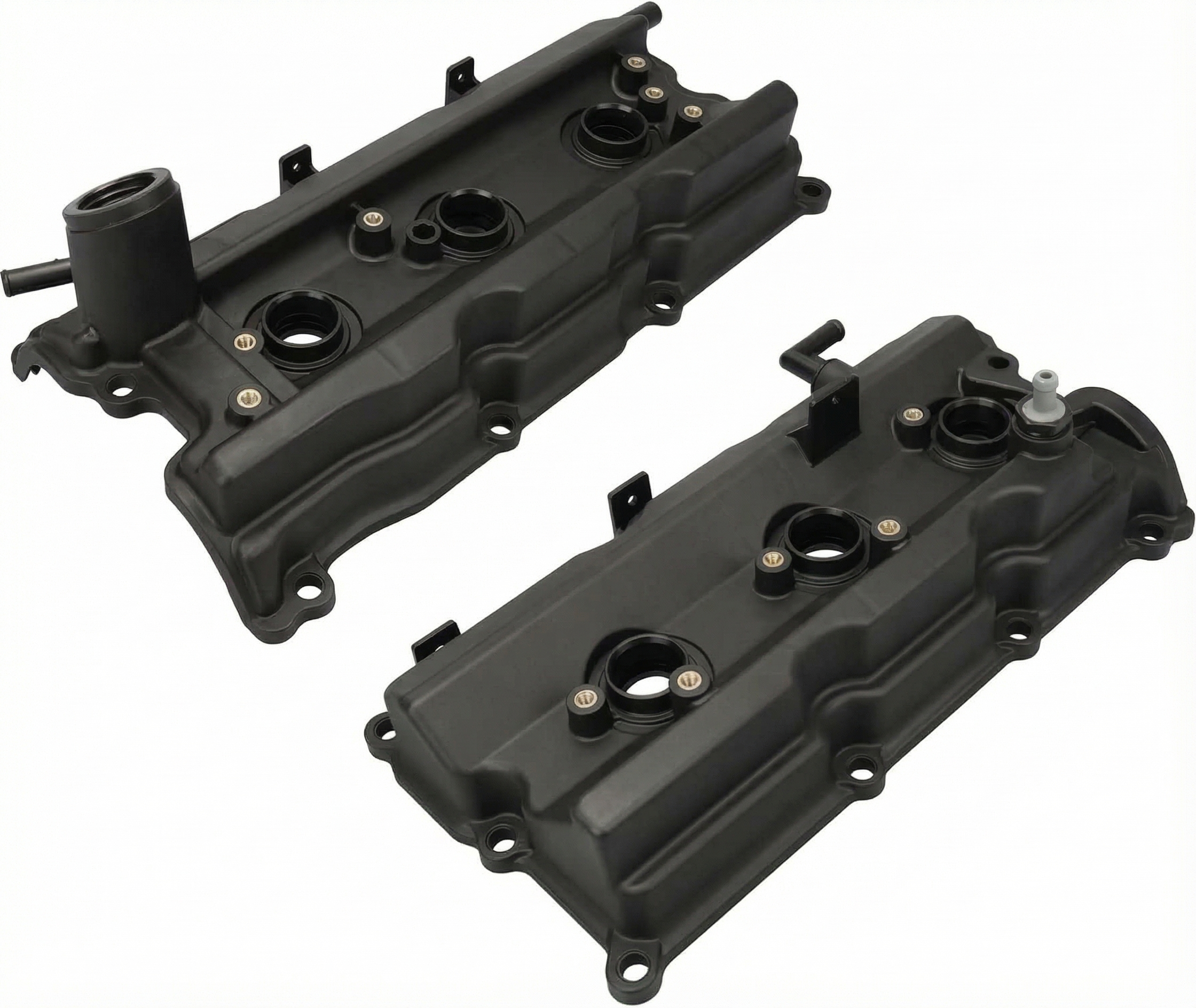
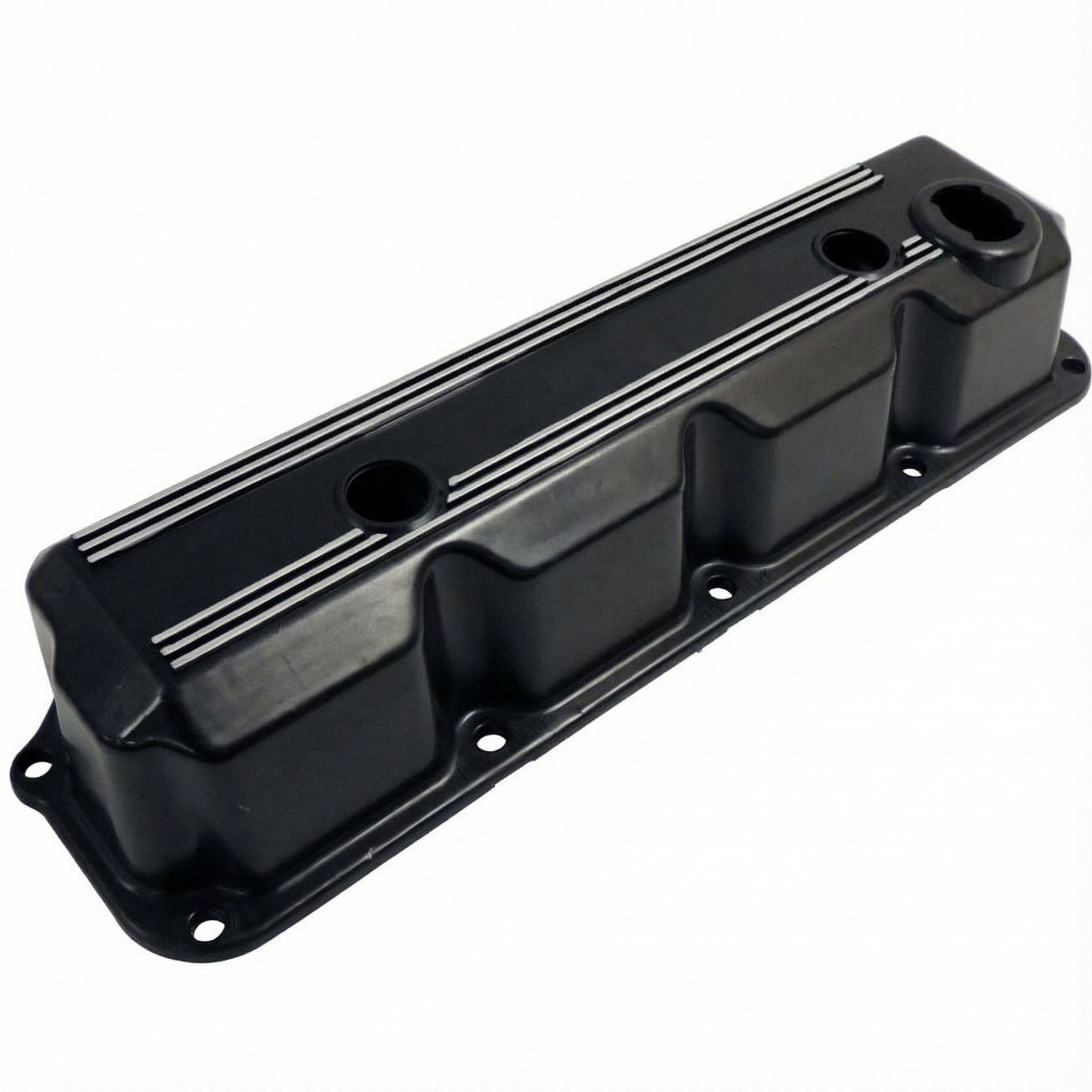
If you own a 2.0L EcoBoost-powered Ford or Lincoln, a failing valve cover almost always means one thing: the integrated PCV valve has failed. Inside a round housing on top of the valve cover is a thin rubber diaphragm. With time and heat, this diaphragm can tear or rupture. Because this diaphragm is not sold as a separate part by Ford, the only official solution is to replace the entire valve cover assembly. This is the most common reason for replacement on these engines.
Compatibility Warning: This guide applies only to vehicles equipped with the 2.0L Turbocharged (EcoBoost) engine. It will not fit models with the 2.0L naturally aspirated (non-turbo) engine.
Symptoms of a Failing 2.0L EcoBoost Valve Cover

Symptoms can be separated into two categories: those caused by the common PCV failure and those from a more traditional gasket leak.
Symptoms of PCV Valve Failure
- Loud Whistling or Squealing Noise: This is the most distinct symptom. When the PCV diaphragm tears, the engine's vacuum pulls air through the tear, creating a loud whistle or squeal at idle that may change or disappear when you accelerate.
- Check Engine Light (CEL): A torn PCV diaphragm creates a vacuum leak. The engine computer tries to compensate but can't, triggering a CEL with lean codes like P0171 (System Too Lean).
- Rough Idle or Stalling: The unmetered air entering the engine disrupts the carefully balanced air-fuel mixture, leading to a rough, unstable idle or even stalling.
- Increased Oil Consumption: If the valve fails in the open position, it can suck excessive oil vapor from the crankcase into the intake manifold, where it gets burned in the engine.
Symptoms of a Gasket or Cover Leak
- Visible Oil Leaks: You may see oil residue and grime collecting around the perimeter of the valve cover where it meets the cylinder head.
- Oil in Spark Plug Wells: A failing spark plug tube seal (part of the valve cover gasket set) can allow oil to pool around the spark plugs, which can cause engine misfires.
- Burning Oil Smell: Oil leaking from the cover can drip onto the hot exhaust manifold or other engine components, creating a distinct burning smell.
Known Issues, TSBs, and Recalls for These Vehicles

While there are no recalls specifically for the valve cover itself, owners of these vehicles should be aware of the following issues that can present similar symptoms or are important safety notes:
- Focus ST Canister Purge Valve (CPV) Recall (18S32): Some 2013-2014 Ford Focus ST models were recalled for a malfunctioning canister purge valve that could cause excessive vacuum in the fuel system, leading to rough idle, stalling, and difficulty starting after refueling. These symptoms can mimic a bad PCV valve, so it's important to verify if this recall has been performed on your vehicle.
- Engine Block Heater Recall: A recall was issued for the optional engine block heater on many of these vehicles, including the 2013-2019 Escape, 2013-2018 Focus, and 2015-2016 Lincoln MKC with the 2.0L engine. The heater element could crack, leak coolant, and cause an electrical short and fire risk when plugged in. The risk is only present when the heater is plugged into an outlet.
- Lincoln MKZ Mirror Whistle: Some owners may notice a whistling noise at highway speeds. Before assuming it's the PCV valve, be aware of Ford TSB SSM 47948, which notes that a wind or whistle noise can come from the exterior mirrors.
Pro Tip: The plastic construction of the valve cover can become very brittle over time due to thousands of heat cycles. It is not uncommon for the cover to crack or break during removal for another service, such as a timing chain or water pump job. This is a common reason to seek out a replacement.
Buying a Used Engine Valve Cover: What to Inspect

Since the failure is usually the non-serviceable PCV diaphragm, a used OEM valve cover from a low-mileage vehicle is an excellent, cost-effective alternative to a new part. Here’s what to check before buying:
- Check for Cracks: Carefully inspect the entire cover, especially around the bolt holes and the corners, for any hairline cracks. Pay close attention to the PCV housing area.
- Look for Warping: Place the cover on a known flat surface (like a workbench or piece of glass) and check to see if it sits flat. A warped cover will not seal properly, even with a new gasket.
- Inspect the PCV Housing: Ensure the round PCV housing on top is not damaged or tampered with. Any signs of someone trying to pry it open are a major red flag.
- Verify Part Number: Confirm the part is CJ5Z-6582-A. While it fits many vehicles, you want to be sure you have the correct OEM part.
- Plan on a New Gasket: Never reuse an old valve cover gasket. A new gasket set is inexpensive and critical for a leak-free repair. The OEM cover often includes new gaskets, but always verify.
Cost to Replace the 2.0L EcoBoost Valve Cover
Prices can vary by location and supplier, but this table provides a general estimate.
| Item | Estimated Cost |
|---|---|
| New OEM (Dealer/Online) | $110 - $170 |
| New Aftermarket (Plastic) | $80 - $150 |
| New Aftermarket (Aluminum Upgrade) | $150 - $250+ |
| Used OEM | $50 - $100 |
| Shop Labor | $150 - $250 |
Replacement Overview & Difficulty
- Difficulty: 3 out of 5 (Moderate)
- Estimated Time: 1.5 - 2.5 hours
- DIY Feasible: Yes, for an experienced DIYer.
The replacement process is straightforward but requires careful work. It involves disconnecting the battery, removing the engine cover, disconnecting various electrical connectors and vacuum hoses, removing the ignition coils, and potentially disconnecting high-pressure fuel lines (use caution!). Access can be tight, especially in smaller vehicles like the Ford Focus. Always follow the correct bolt-tightening sequence and torque specifications when installing the new cover to avoid warping it and to ensure an even seal.
Frequently Asked Questions (FAQ)
Can I just replace the PCV valve or diaphragm?
No. The PCV valve and its diaphragm are integrated into the valve cover and are not sold as separate service parts by Ford. The entire valve cover assembly must be replaced to fix a torn PCV diaphragm.
What is the loud whistling noise my engine is making at idle?
A loud whistle or squeal at idle is the classic symptom of a ruptured PCV diaphragm inside the valve cover on the 2.0L EcoBoost engine. Engine vacuum is pulling air through the tear in the rubber diaphragm, creating the noise.
Is an aftermarket aluminum valve cover better?
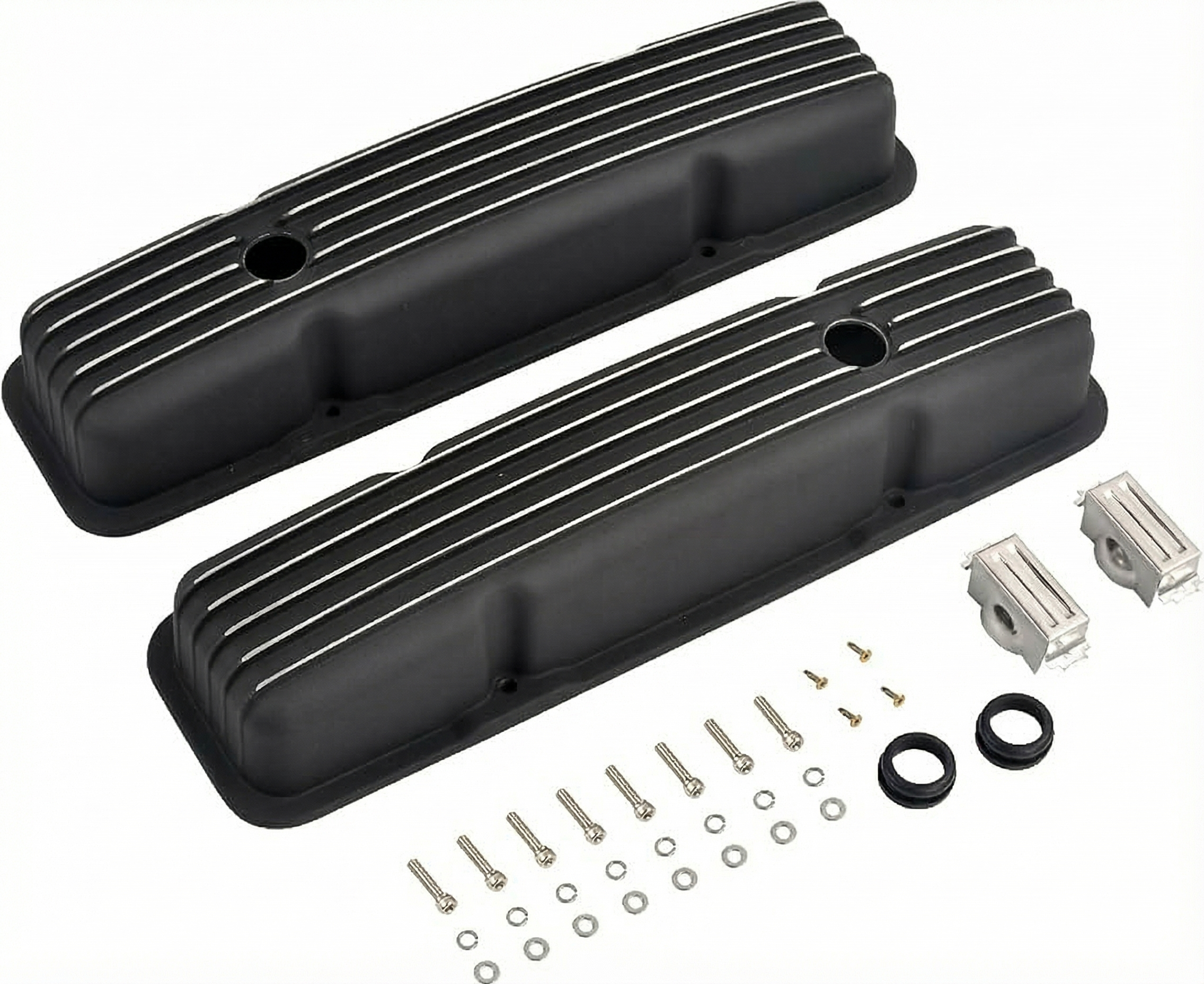
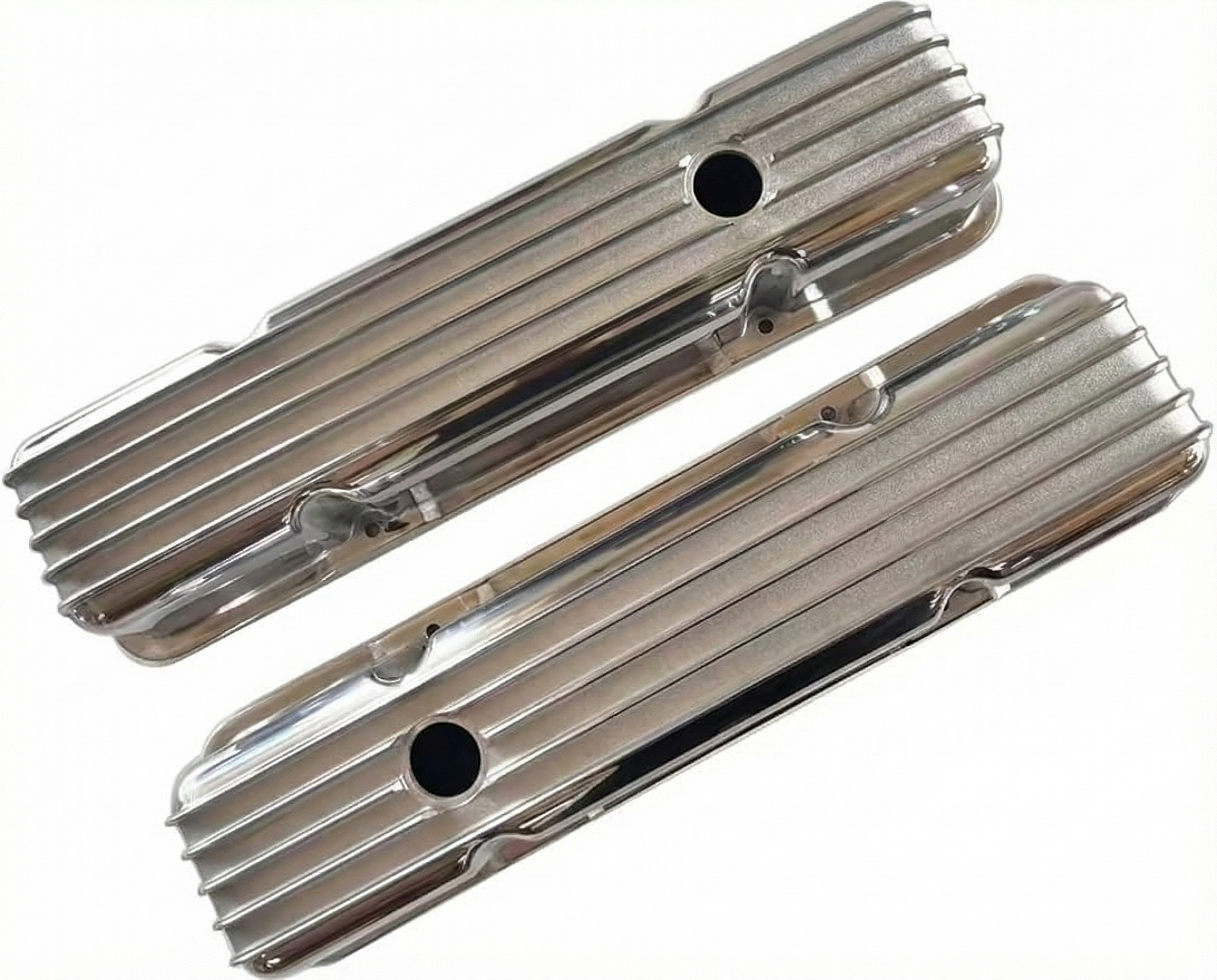
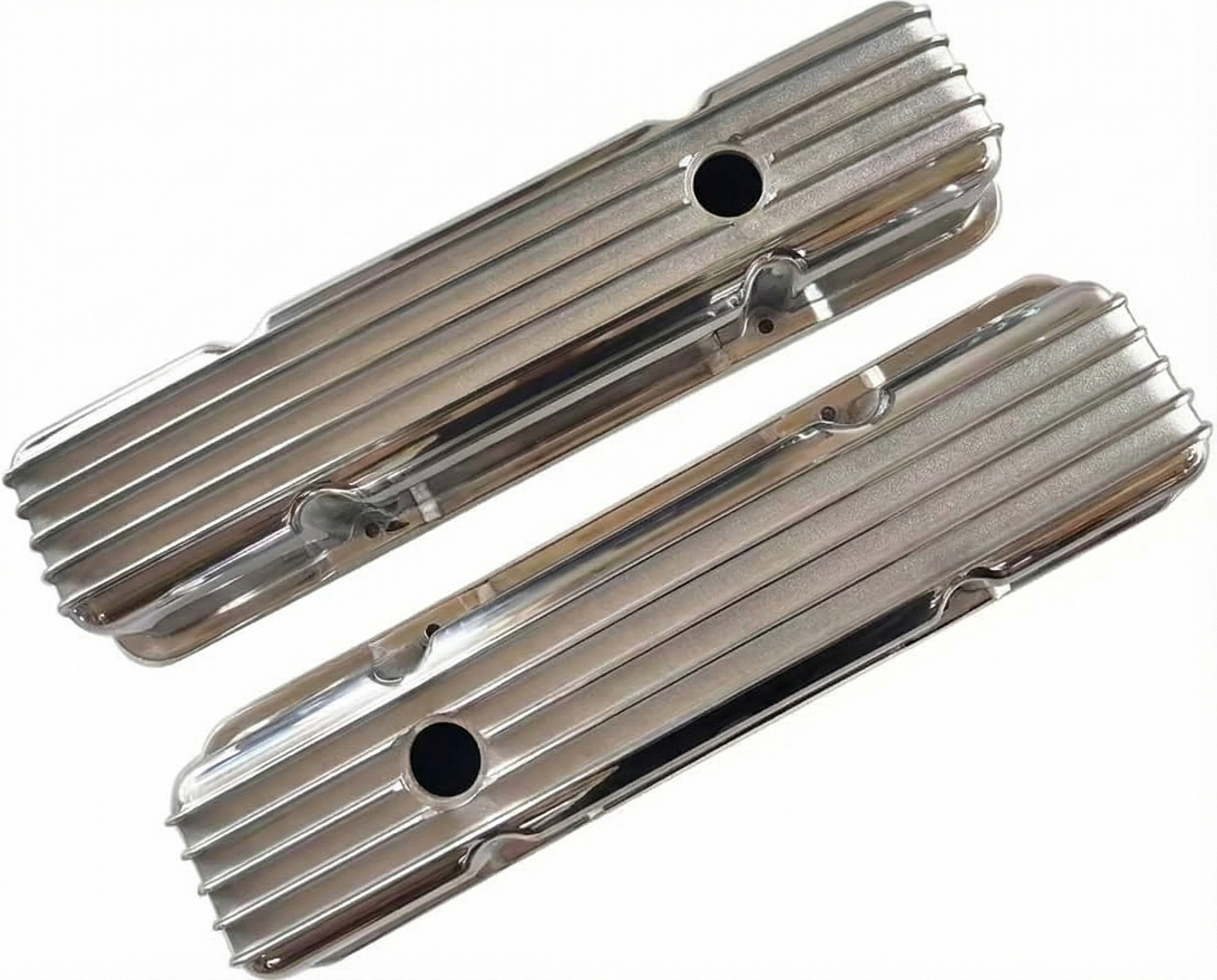
Aftermarket aluminum valve covers are available and offer increased durability, eliminating the risk of the plastic becoming brittle and cracking. However, they are more expensive and their main benefit is preventing cracks, not solving the PCV failure, as they typically use a similar integrated PCV design. For most owners, a new or used OEM plastic cover is a perfectly suitable repair.
Do I need to use sealant when installing the new valve cover gasket?
Yes, but only in specific spots. A small dab of RTV silicone sealant is typically required at the points where the engine timing cover meets the cylinder head to prevent leaks in those corners. Do not apply sealant around the entire gasket. Always clean the mating surfaces thoroughly before installation.
Technical Specifications
OEM Part Numbers: CJ5Z-6582-A CJ5Z6582A
Material: Plastic (OEM), Aluminum (Aftermarket available) Integrated Component: Non-serviceable Positive Crankcase Ventilation (PCV) valve.
We Have This Part in Stock

The information in this article is provided for general reference and educational purposes only. Vehicle specifications, procedures, and part compatibility can vary by production date, trim level, and region. Always consult your vehicle's factory service manual and verify part numbers before purchasing or performing repairs. Safety-critical components such as airbags, seat belts, and braking systems should be installed by a qualified professional.
- Ford Edge:
- Ford Explorer:
- Ford Escape:
- Ford Taurus:
- Lincoln MKZ:
- Ford Focus:
- Ford Fusion:
- Lincoln MKC:
- 🛍️ Shop This Part
- The Real Problem: A Failed PCV Diaphragm
- Symptoms of a Failing 2.0L EcoBoost Valve Cover
- Symptoms of PCV Valve Failure
- Symptoms of a Gasket or Cover Leak
- Known Issues, TSBs, and Recalls for These Vehicles
- Buying a Used Engine Valve Cover: What to Inspect
- Cost to Replace the 2.0L EcoBoost Valve Cover
- Replacement Overview & Difficulty
- Frequently Asked Questions (FAQ)
- 🎟️ Get 5% Off