

Cruze, Sonic, Encore & Trax 1.4L Valve Cover Failure: The Real Story on the PCV Problem
This guide explains the common PCV failure in the 1.4L Ecotec valve cover, how to diagnose it, and what to look for when buying a replacement for your Chevrolet Cruze, Sonic, Trax, Volt, Cadillac ELR, or Buick Encore.
- The main failure is a torn PCV diaphragm inside the valve cover, which requires replacing the entire cover.
- Before replacing the cover, you MUST check for the orange PCV check valve in the intake manifold; if it's missing, the new cover will fail quickly.
- Key symptoms are a loud hissing noise from the engine, a rough idle, and a P0171 Check Engine Light code.
- GM issued a Special Coverage Adjustment (extended warranty) for this part on many affected vehicles for 10 years/120,000 miles.
The Core Problem: A Flaw in the PCV System

The primary reason this valve cover fails is due to a design flaw in the integrated Positive Crankcase Ventilation (PCV) system. Inside the plastic cover is a rubber diaphragm that acts as a pressure regulator. Over time, this diaphragm can crack or tear. When it fails, it creates a large, unmetered vacuum leak. The engine's computer doesn't know about this extra air, which throws off the air-to-fuel ratio and leads to a host of noticeable symptoms. This issue is so common that GM has issued Special Coverage Adjustments for certain model years, extending the warranty on this part.
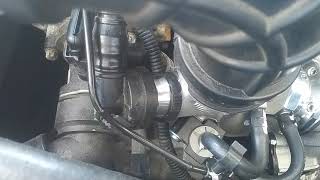
Pro Tip: Before replacing the valve cover, it is critical to inspect the PCV check valve located in the intake manifold. This small, orange, rubber nipple can become dislodged and get sucked into the engine. If this check valve is missing, a new valve cover will fail very quickly. If it is missing, the intake manifold must be replaced or a separate, external check valve kit must be installed.
🎬 See this breakdown of PCV issues and intake manifold solutions.Symptoms of a Failing 1.4L Turbo Valve Cover / PCV System

When the PCV diaphragm tears, the symptoms are often very distinct:
- Loud Hissing or Whistling Noise: A constant sucking or whistling sound from the top of the engine while it's running is the most common sign. This is the sound of air being pulled through the torn diaphragm.
- Rough or Unstable Idle: The engine may stumble, surge, or idle erratically because the unmetered air is throwing off the air-fuel ratio.
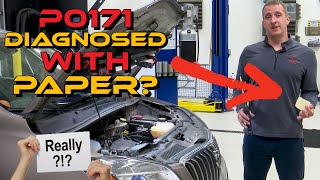
- Check Engine Light: A Check Engine Light is almost guaranteed. The most common trouble code is P0171 (System Too Lean). 🎬 Watch: A simple diagnosis for the P0171 lean code issue. You may also see codes like P1101 (Intake Air Flow System Performance) or P0106 (MAP Sensor Performance).
- Excessive Crankcase Vacuum: A very strong vacuum in the crankcase is a clear indicator. This can make it difficult to remove the oil filler cap while the engine is running.
- Oil Leaks: While the primary failure is the PCV system, a warped cover or failed gasket can also cause oil to leak onto the exhaust manifold or into the spark plug wells.
How to Diagnose the PCV System Failure

You can confirm a failed PCV diaphragm with a couple of simple tests:
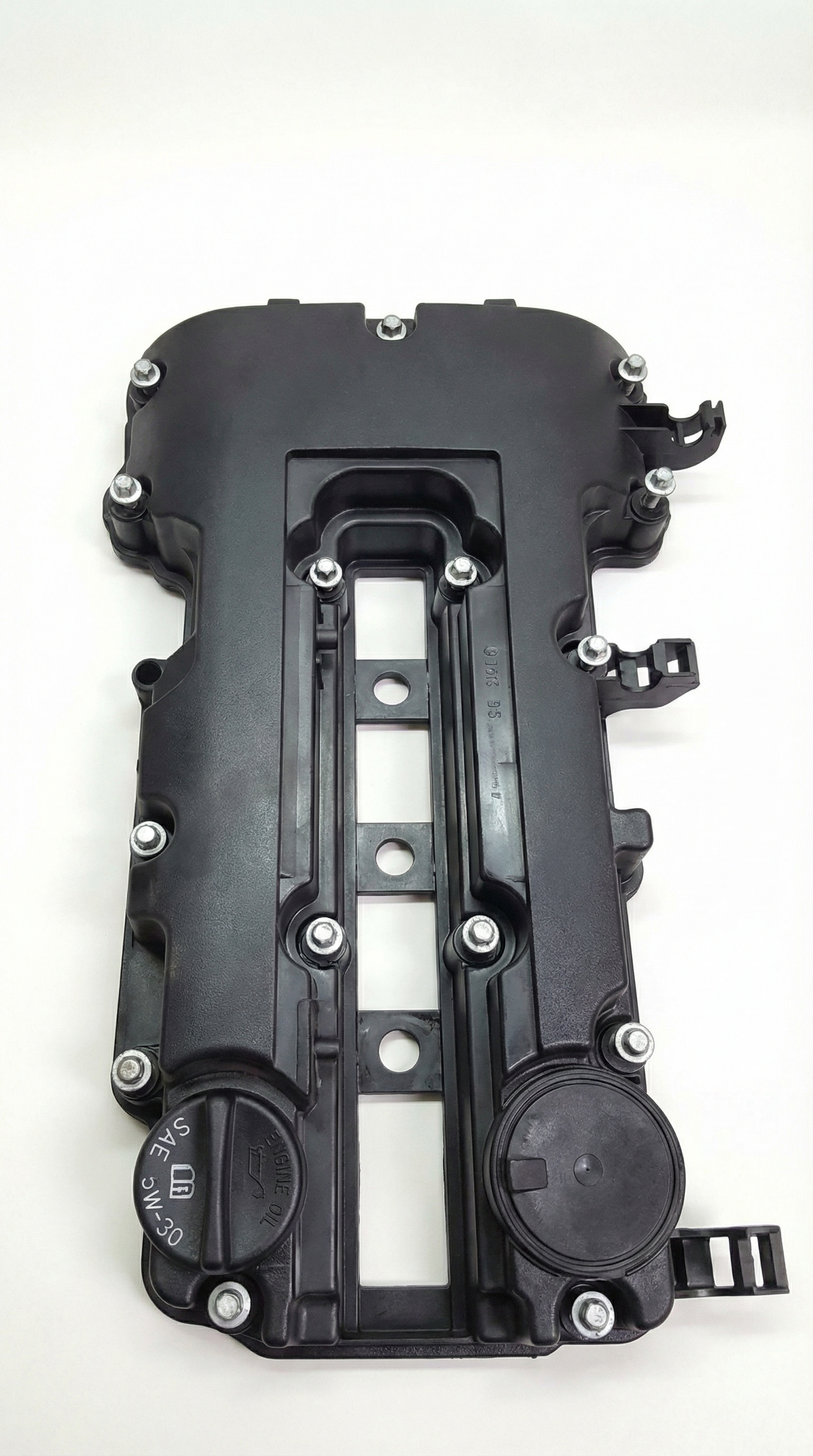
- The Finger Test: Locate the small hole on the circular part of the valve cover. With the engine running, you will hear a hissing sound and feel strong suction if you place your finger over this hole. Covering the hole should cause the engine idle to smooth out. This confirms the diaphragm inside is torn.
- The Oil Cap Test: With the engine idling, carefully try to remove the oil filler cap. If you feel a very strong vacuum pulling the cap down, or if the engine stumbles and runs worse when the cap is removed, it confirms excessive crankcase vacuum from a failed PCV system.
Known Issues, Recalls, and Special Coverage

Due to the high failure rate of the PCV diaphragm, General Motors issued several Special Coverage Adjustments (similar to an extended warranty for a specific part). These cover the replacement of the camshaft cover if it fails due to this specific issue.
- N202299080 (July 2020): Extends coverage to 10 years or 120,000 miles for certain 2014 Buick Encore, 2011-2014 Chevrolet Cruze, 2012-2014 Chevrolet Sonic, and 2014 Chevrolet Trax vehicles.
- MC-10163845-9999 / N192282200 (July 2019): Extends coverage to 10 years or 120,000 miles for certain 2015-2016 Chevrolet Cruze and 2015 Chevrolet Sonic vehicles.
There are no specific recalls for the valve cover itself, but it's important to check your vehicle's VIN for any open recalls, including one for 2011-2012 Cruze models related to the brake vacuum pump (Recall #12213).
This valve cover is used on the 1.4L range-extender engine in the 2011-2015 Chevrolet Volt and 2014-2016 Cadillac ELR. While these vehicles are primarily electric, the gasoline engine is subject to the same PCV failure when it runs. Owners of these vehicles should be aware of the same symptoms, especially rough engine operation when the gas engine kicks in.
Buying a Used Engine Valve Cover: What to Inspect

Warning: Because the primary failure point is an internal rubber diaphragm that degrades with age and heat cycles, buying a used valve cover is risky. The diaphragm on a used part may be near the end of its life, even if it appears fine externally. A new OEM or high-quality aftermarket part is often a better long-term investment for this specific component.
If you do decide to purchase a used OEM valve cover, here’s what to check:
- Inspect for Cracks: Carefully examine the entire plastic cover for any hairline cracks, especially around the bolt holes and the PCV port area. High heat can make the plastic brittle.
- Check for Warping: Place the cover on a known flat surface. It should sit flush without any significant rocking. A warped cover will not seal properly and will cause oil leaks.
- Gasket Condition: Assume you will need to replace the main gasket and spark plug tube seals. Do not reuse old, compressed gaskets.
- PCV Port: Check the small PCV breather port on the top of the cover. Ensure it is not clogged or broken.
- Verify Part Numbers: Ensure the part number matches one of the known OEM numbers for this application, such as 25198498, 25198874, or the superseding number 25203036.
Cost Comparison: New vs. Used vs. Aftermarket
| Part Type | Estimated Cost | Notes |
|---|---|---|
| New OEM | $100 - $150 | Recommended option. Often includes an updated design and a new gasket. |
| New Aftermarket | $45 - $110 | Quality can vary significantly. Some may fail faster than the original OEM part. |
| Used OEM | $30 - $75 | Risky due to the internal rubber diaphragm's age. Inspect carefully. |
| Shop Labor | $130 - $230 | Typically 1-2 hours of labor. |
Frequently Asked Questions (FAQ)
Can I just replace the PCV diaphragm instead of the whole cover?
No. The PCV diaphragm is integrated and plastic-welded into the valve cover and is not designed to be serviced separately. While some aftermarket kits exist to replace just the diaphragm, they require breaking open the cover and are not a reliable, long-term fix. The entire valve cover assembly must be replaced.
Why did my new valve cover fail after only a few months?
This is almost always caused by a missing PCV check valve in the intake manifold. When this small orange valve fails, it creates pressure spikes that rupture the new diaphragm in the valve cover. You MUST inspect the intake manifold port before installing a new cover. If it's gone, you need to replace the manifold or install a fix kit.
Is it okay to drive with a bad valve cover/PCV?
You can drive the vehicle, but it's not recommended for long periods. The engine will run poorly with reduced fuel economy. The constant vacuum leak can cause the engine to run lean, which can lead to increased engine temperatures and potential damage over time. The excessive vacuum can also pull oil into the intake and damage other engine seals.
Do I need special tools to replace this valve cover?
You will need a set of external Torx (E-Torx) sockets, specifically an E10 socket for the valve cover bolts. You will also need a standard Torx T30 bit for the ignition coil pack. Otherwise, the job requires basic hand tools.
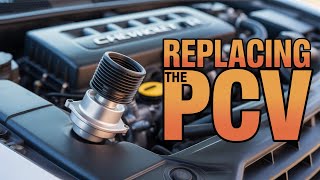
🎬 Follow this step-by-step walkthrough to replace your valve cover.Helpful Videos
Technical Specifications
OEM Part Numbers: 25198498 25198874 25198877 25203036 55573746
Fits 1.4L Turbo (LUV, LUJ) Ecotec engines. Requires E10 external Torx socket for installation.
We Have This Part in Stock

The information in this article is provided for general reference and educational purposes only. Vehicle specifications, procedures, and part compatibility can vary by production date, trim level, and region. Always consult your vehicle's factory service manual and verify part numbers before purchasing or performing repairs. Safety-critical components such as airbags, seat belts, and braking systems should be installed by a qualified professional.
- Chevrolet Cruze:
- Chevrolet Sonic:
- Buick Encore:
- Cadillac ELR:
- Chevrolet Trax:
- Chevrolet Volt:
- 🎬 Helpful Videos
- 🛍️ Shop This Part
- The Core Problem: A Flaw in the PCV System
- Symptoms of a Failing 1.4L Turbo Valve Cover / PCV System
- How to Diagnose the PCV System Failure
- Known Issues, Recalls, and Special Coverage
- Buying a Used Engine Valve Cover: What to Inspect
- Cost Comparison: New vs. Used vs. Aftermarket
- Frequently Asked Questions (FAQ)
- 🎟️ Get 5% Off