

Diagnosing and Fixing Oil Leaks from the 2013-2021 Audi 1.8T & 2.0T Engine Timing Cover
This guide covers the common timing cover oil leaks affecting the Audi A3, A4, A5, A6, Q3, Q5, Q7, Allroad, S3, and TT, focusing on diagnosis, part variations, and replacement costs.
- The most common oil leak on these Audi models is from the upper plastic timing cover, not the lower metal one.
- Before replacing any parts, check the PCV valve, as its failure can cause pressure that forces oil past good seals.
- For a DIY repair, replacing the gaskets on the upper cover is a manageable job; replacing the lower cover is much more complex.
- When buying a used cover, prioritize the latest part revision (06K109210AF for the lower) and always use new gaskets for installation.
Understanding the Timing Covers on the Audi EA888 Engine

If you own a 2015-2020 Audi A3, 2013-2020 Audi A4, 2013-2020 Audi A5, 2014-2021 Audi A6, 2013-2020 Audi Allroad, 2015-2018 Audi Q3, 2013-2020 Audi Q5, 2017-2020 Audi Q7, 2015-2020 Audi S3, or a 2014-2020 Audi TT with the 1.8L or 2.0L TSI/TFSI engine, you have what is known as the EA888 Generation 3 engine. A very common issue on these engines is an oil leak from the front, which is almost always traced back to the timing covers.
There are two separate covers that can leak:
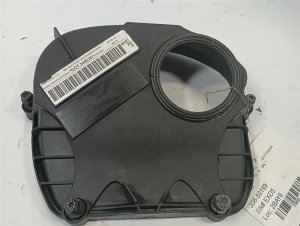
- Upper Timing Cover: This is a black plastic cover on the top front of the engine. It is the most frequent source of oil leaks on these engines. Over time, the gaskets that seal the cover to the cylinder head and the two round gaskets for the camshaft adjuster magnets become hard and brittle, allowing oil to seep out.
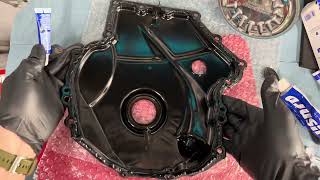
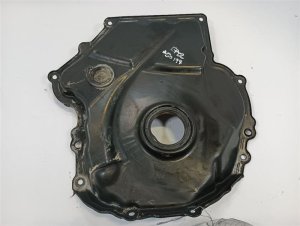
- Lower Timing Cover: This is a larger, cast aluminum cover located below the upper cover. While less common to fail than the upper cover, its sealant can also degrade over time, causing leaks further down the front of the engine. This cover also houses the front crankshaft seal.
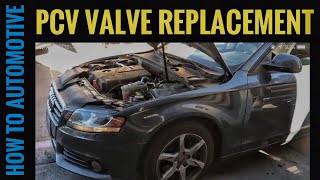
Pro Tip: Before assuming a major repair, check the PCV (Positive Crankcase Ventilation) valve. 🎬 Watch: How to replace the PCV valve on your engine. A failed PCV valve is a known issue that can cause excessive pressure inside the engine, forcing oil out of otherwise good seals, including the timing cover gaskets. A rough idle, squealing noises, or a lean engine code (P0171) can point to a bad PCV valve.
Symptoms of a Failing Timing Cover

The signs of a timing cover leak are usually straightforward. Look for the following:
- Visible Oil Leaks: This is the most common symptom. You will see fresh oil or accumulated grime on the front of the engine. Leaks from the upper cover often start around the top passenger side, running down the front of the engine. 🎬 See this guide to diagnosing common oil leak spots. You may also find oil dripping onto the ground or on the plastic belly pan under the engine.
- Burning Oil Smell: As oil leaks down the hot engine block or onto exhaust components, it will burn off, creating a distinct and unpleasant smell, especially when the engine is warm.
- Low Engine Oil Light: A persistent leak will cause the engine oil level to drop over time, eventually triggering the low oil warning light on your dashboard.
Warning: While a minor leak may not seem urgent, a significant loss of oil can lead to severe engine damage. If you see smoke from the engine bay, pull over safely and shut off the engine immediately, as leaking oil can pose a fire risk if it contacts hot exhaust parts.
Known Issues, TSBs, and Recalls
While there isn't a specific recall for timing cover leaks on most of these models, the problem is widely documented in repair forums and by mechanics as a common failure.
It is worth noting that Audi/VW issued recall 15ZK for some 2022-2024 Audi Q5 and Q5 Sportback models due to improperly tightened cylinder head cover screws that could loosen and cause an oil leak, increasing fire risk. While this recall applies to a later model year and a different cover (the valve cover, not the timing cover), it highlights the brand's attention to oil leaks in this engine area.
Buying a Used Engine Timing Cover: What to Check

For a part like this, a quality used OEM component can be a smart buy, especially for the more expensive lower aluminum cover. Aftermarket quality can be inconsistent, and a genuine used part guarantees correct fitment. Here’s what to inspect:
- Check for Cracks and Damage: This is the most important check. For both the upper plastic cover and the lower aluminum one, carefully inspect all surfaces, especially around the bolt holes, for any hairline cracks or impact damage.
- Inspect Sealing Surfaces: Run your finger along all the flat surfaces where the gaskets or sealant will go. They must be perfectly smooth and free of deep scratches, corrosion, or warping. Any imperfection can cause a new leak.
- Verify Part Numbers: The lower timing cover has gone through several revisions. The latest version is part number 06K109210AF. It supersedes older versions like 06K109210 and 06K109210AE. Always aim for the newest revision if possible.
- Condition of Front Crank Seal Area (Lower Cover): On the lower cover, inspect the circular opening for the front crankshaft seal. Ensure it is not scored or damaged.
- Forget the Old Gaskets: Never reuse old gaskets or seals. Any used timing cover you buy will need a new set of gaskets or fresh sealant applied during installation. The cost of new seals is minimal compared to the labor of fixing a leak.
Replacement Cost Breakdown
The cost to fix a timing cover leak depends heavily on whether it's the upper or lower cover and your location. The upper cover is significantly easier and cheaper to service.
| Part / Service | Estimated Cost |
|---|---|
| New OEM Lower Cover (06K109210AF) | $290 - $410 |
| New Aftermarket Lower Cover | $100 - $150 |
| New OEM Upper Cover (Plastic) | $45 - $70 |
| New Aftermarket Upper Cover (Aluminum Upgrade) | $200 - $250 |
| Used OEM Lower Cover | $50 - $120 |
| Used OEM Upper Cover | $20 - $40 |
| Shop Labor (Upper Gaskets Only) | $150 - $300 |
| Shop Labor (Lower Cover Replacement) | $300 - $750+ |
Note: Labor costs vary based on engine orientation. Transverse engines (A3, Q3, TT, S3) may have tighter access and slightly higher labor costs than longitudinal engines (A4, A5, A6, Q5, Q7).
Installation Difficulty and Procedure Overview

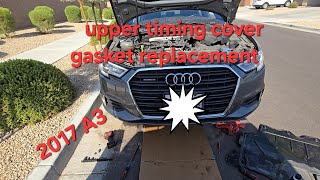
- Upper Timing Cover Gasket Replacement: This is a 3 out of 5 difficulty job. It is feasible for a skilled DIYer. The process involves removing the oil dipstick tube, disconnecting some hoses and sensors for access, unbolting the two cam adjuster magnets, and then removing the five Torx bolts holding the cover. 🎬 Watch: Step-by-step upper timing cover gasket replacement walkthrough. The key is to thoroughly clean the old gasket material from both the engine and the cover (if reusing) and to apply a small dab of RTV sealant at the corners where the cylinder head meets the block before reinstalling.
- Lower Timing Cover Replacement: This is a more difficult job, rated 4 out of 5. It requires supporting the engine, removing the serpentine belt, and removing the crankshaft pulley/harmonic balancer, which often requires a special counter-hold tool. Due to the complexity and need for special tools, this is often best left to a professional.
Distinction for 1.4L Hybrid Models
The Audi A3 Sportback e-tron (2016-2018) uses a 1.4L plug-in hybrid engine, not the 1.8T/2.0T. This engine uses a timing belt, not a chain. The upper timing cover for this engine is part number 04E109108N. While it serves a similar protective function, it is a different part and is not interchangeable with the EA888 engine covers.
Frequently Asked Questions (FAQ)
Is it my upper or lower timing cover that's leaking?
Clean the front of the engine with a degreaser and then run it for a short time. The highest point where you see fresh oil emerge is the source. In over 90% of cases on the EA888 Gen 3, the leak starts at the upper plastic timing cover.
Can I just replace the gaskets instead of the whole cover?
Yes. For the common upper cover leak, you can buy the outer gasket and the two inner cam adjuster gaskets separately. You only need to replace the cover itself if it is physically cracked or warped.
Should I upgrade to an aftermarket aluminum upper timing cover?
Some companies offer a cast aluminum upper timing cover to replace the stock plastic one. While the stock plastic cover can last over 80,000 miles, the aluminum version offers peace of mind against future warping or cracking due to heat cycles. If you plan to keep the vehicle for a long time, it may be a worthwhile upgrade.
Do I need special tools for the upper timing cover?
The upper cover replacement requires a basic set of tools, including Torx sockets (T27 or T30). No major specialty tools are needed, making it a manageable DIY project for many. The lower cover, however, requires a crankshaft pulley tool and is more complex.
Helpful Videos

Technical Specifications
OEM Part Numbers: 06K109210 06K109210AE 06K109210AF 04E109108N 06K103269D 06L103269E
Fits EA888 Gen 3 1.8T & 2.0T engines. Upper cover is typically plastic, lower cover is cast aluminum. The 1.4L Hybrid engine uses a different timing belt cover.
We Have This Part in Stock




The information in this article is provided for general reference and educational purposes only. Vehicle specifications, procedures, and part compatibility can vary by production date, trim level, and region. Always consult your vehicle's factory service manual and verify part numbers before purchasing or performing repairs. Safety-critical components such as airbags, seat belts, and braking systems should be installed by a qualified professional.
- Audi A3:
- Audi A4:
- Audi A5:
- Audi A6:
- Audi Allroad:
- Audi Q3:
- Audi Q5:
- Audi Q7:
- Audi S3:
- Audi TT:
- Volkswagen CC:
- Volkswagen Eos:
- Volkswagen Golf:
- Volkswagen Golf Alltrack:
- Volkswagen Golf R:
- Volkswagen GTI:
- Volkswagen Tiguan:
- Volkswagen Tiguan Limited:
- 🎬 Helpful Videos
- 🛍️ Shop This Part
- Understanding the Timing Covers on the Audi EA888 Engine
- Symptoms of a Failing Timing Cover
- Known Issues, TSBs, and Recalls
- Buying a Used Engine Timing Cover: What to Check
- Replacement Cost Breakdown
- Installation Difficulty and Procedure Overview
- Distinction for 1.4L Hybrid Models
- Frequently Asked Questions (FAQ)
- 🎟️ Get 5% Off