

2010-2024 4Runner & GX460 Engine Splash Shield: Decoding the Critical KDSS Difference
This guide covers the common failure points, replacement costs, and the crucial compatibility differences for Toyota 4Runner and Lexus GX460 engine splash shields, especially for vehicles with KDSS.
- The most critical factor when buying a replacement is compatibility with the Kinetic Dynamic Suspension System (KDSS); they are not interchangeable.
- Symptoms of failure include scraping noises, rattling at highway speeds, and visible cracks or sagging.
- Replacement is an easy DIY job, typically taking less than an hour with basic hand tools.
- A used OEM shield is often a better value than a new aftermarket one due to superior fitment and material quality.
Symptoms of a Failing Engine Splash Shield
Because the splash shield is located underneath the vehicle, damage often goes unnoticed until it becomes severe. Impacts from curbs, road debris, and even packed snow can cause problems. Here are the most common signs that your splash shield needs attention:
- Scraping or Dragging Noises: A loose or sagging shield may drag on the ground, especially when going over bumps or uneven roads. This is the most obvious sign of a problem.
- Rattling Sounds: If the plastic clips or bolts that hold the shield in place break or come loose, the shield will vibrate and rattle against the vehicle's frame or other components. This noise is often more noticeable at highway speeds when the wind pushes against the loose panel.
- Visible Damage: A quick visual inspection can reveal cracks, holes, or large missing sections of the shield. It's a good idea to check the shield during every oil change.
- Increased Engine Noise: The splash shield provides a small amount of sound deadening. If it's missing, you might notice that engine sounds are louder inside the cabin.
- Debris in Engine Bay: Finding an unusual amount of dirt, leaves, or grime on top of the engine can be a sign that the shield is damaged or missing, allowing road debris to be kicked up into the engine compartment.
Known Issues and Vehicle-Specific Information
The Toyota 4Runner and Lexus GX460 are built on the same chassis and share many components, including the basic design of the engine splash shields. However, there is one critical difference you must be aware of before purchasing a replacement.
The KDSS Compatibility Warning
The most significant variation for this part is whether the vehicle is equipped with the Kinetic Dynamic Suspension System (KDSS). This optional system uses hydraulic cylinders connected to the sway bars to improve on-road handling while allowing for greater wheel articulation off-road.
Warning: A standard splash shield will NOT fit a 4Runner or GX460 equipped with KDSS. The KDSS models have a different sway bar design and hydraulic components that interfere with the non-KDSS shield. You must purchase a shield specifically designed for a KDSS-equipped vehicle.
How to tell if you have KDSS:
- Look at the front sway bar: The easiest way to check is to look behind the front wheels at the suspension. A KDSS-equipped vehicle will have a very thick sway bar with a hydraulic cylinder (piston) attached to it on the passenger side. Non-KDSS vehicles have a much thinner, conventional sway bar.
- Check the dashboard: When you turn the key to the 'on' position (without starting the engine), a "KDSS" indicator light should briefly illuminate on the instrument cluster if your vehicle has the system.
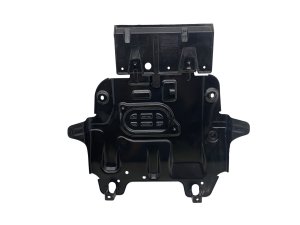
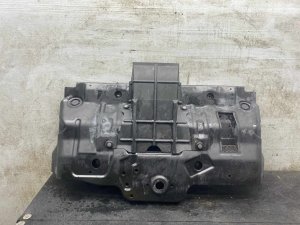
- Different Skid Plate Shape: The metal skid plate on KDSS models often has a different shape or a bulge to accommodate the system's components.
There are no major recalls or Technical Service Bulletins (TSBs) directly related to the engine splash shield for these vehicles. Any issues, like rattling clips or physical damage, are typically addressed as standard wear-and-tear repairs.
Buying a Used Engine Splash Shield
For a part like a splash shield, a used OEM part is often a smarter choice than a cheap aftermarket alternative. Used OEM shields offer the original factory fit and material quality at a significant discount.
What to Inspect Before You Buy:
- Check for Cracks: Inspect the entire surface, especially around the mounting holes, for cracks. A small crack can quickly spread, rendering the shield useless.
- Verify All Mounting Points: Ensure all the holes for bolts and clips are intact and not broken or torn. This is the most common failure point. If the mounting points are damaged, the shield cannot be securely fastened.
- Assess Material Condition: The plastic should still have some flexibility. If it's extremely brittle or chalky from sun and heat exposure, it will likely crack during installation or from a minor impact.
- Confirm KDSS vs. Non-KDSS: This is the most important step. Double-check that the part you are buying matches your vehicle's suspension system. A seller should be able to confirm which type of vehicle the part came from.
Pro Tip: Cheap aftermarket splash shields are often made of thinner, more brittle plastic that doesn't fit correctly. The mounting holes may not line up, and they are more likely to break from minor impacts. A good-condition used OEM shield is almost always a better value.
Replacement Overview
Replacing the engine splash shield on a 2010-2024 4Runner or 2010-2023 GX460 is a straightforward job suitable for a DIY mechanic with basic tools.
- Difficulty: 1.5 out of 5
- Estimated Time: 0.5 - 1 hour
- Tools Needed: Socket set, screwdriver, and a plastic trim removal tool.
General Steps:
- Raise the Vehicle (Optional but Recommended): Using a jack and jack stands to get more room to work makes the job much easier.
- Remove Fasteners: The shield is held in place by a series of 10mm bolts and plastic push-clips. Use a trim removal tool to pop out the center of the clips, then pull the entire clip out. Keep track of which bolts and clips go where, as there may be different types.
- Remove the Old Shield: Once all fasteners are removed, the shield will drop down.
- Install the New Shield: Position the new shield and loosely install a few bolts to hold it in place. Align all the holes before tightening the bolts and inserting the new push-clips.
Pro Tip: The original plastic clips often become brittle and break during removal. It's a good idea to have a new set of clips on hand before you start the job. A universal kit of automotive push-clips is an inexpensive and useful addition to any toolbox.
Cost Comparison
The cost to replace an engine splash shield varies significantly based on the part source and whether you do the work yourself.
| Part Type | Estimated Cost |
|---|---|
| New OEM | $150 - $350 |
| New Aftermarket | $40 - $180 |
| Used OEM | $75 - $150 |
| Shop Labor | $100 - $200 |
Frequently Asked Questions (FAQ)
Can I drive my 4Runner or GX460 without an engine splash shield?
Yes, but it is not recommended for long. Driving without the shield exposes your engine belts, pulleys, and electrical wiring to water, salt, and debris, which can cause corrosion and premature failure. It also leaves your oil pan vulnerable to punctures from road hazards.
What's the difference between the main splash shield and the small fender liners?
The main engine splash shield is the large panel directly under the engine. There are also smaller, flexible rubber splash guards or fender liners inside the wheel wells that prevent water and mud from being thrown into the engine bay from the tires. These are separate parts and often fail due to age or when performing suspension work.
Do I need to replace the clips and bolts when I replace the shield?
It's highly recommended. The original plastic clips become brittle with age and often break upon removal. Using new clips ensures the shield is held on securely and prevents rattling.
Will an aftermarket splash shield fit as well as an OEM one?
Often, no. Aftermarket shields are known for having fitment issues, such as misaligned mounting holes that may require modification to install. They are also typically made from thinner, less durable plastic than OEM parts.
Technical Specifications
OEM Part Numbers: 51405-60220 (With KDSS) 51405-60210 (Without KDSS) 51450-60050 53736-60130 53735-35150 53886-35020
Material: Typically high-density plastic or composite. Some aftermarket 'skid plates' may be metal. The key specification difference is the shape and mounting points for KDSS vs. non-KDSS models.
We Have This Part in Stock

The information in this article is provided for general reference and educational purposes only. Vehicle specifications, procedures, and part compatibility can vary by production date, trim level, and region. Always consult your vehicle's factory service manual and verify part numbers before purchasing or performing repairs. Safety-critical components such as airbags, seat belts, and braking systems should be installed by a qualified professional.
- Toyota 4Runner:
- Lexus GX460: