

BMW M2, M3 & M4 Engine Splash Shield Guide (2008-2021)
This guide covers the common failure points, replacement costs, and what to look for when buying a used engine splash shield for your BMW M2, M3, or M4.
- The most common failure is physical damage from road impacts, leading to scraping noises and sagging.
- When buying used, prioritize intact mounting points; torn screw holes make the part useless.
- A used OEM shield is often superior to a cheap aftermarket one due to better material quality and fitment.
- Replacement is a simple DIY job requiring basic tools and about an hour of time.
Symptoms of a Damaged or Missing Engine Splash Shield


A failing engine splash shield often makes its presence known through noise or visible damage. Because these cars sit low to the ground, impacts with road debris, speed bumps, or steep driveways are common causes of failure.
- Scraping or Dragging Noises: The most common symptom is a scraping or dragging sound, especially over bumps or uneven roads. This indicates the shield is loose, sagging, or partially detached.
- Rattling Under the Car: A loose shield can rattle against the subframe or other components, creating noise at idle or low speeds.
- Increased Debris in Engine Bay: If you notice an unusual amount of dirt, leaves, or grime under the hood, your splash shield may be cracked or missing, allowing road debris to enter the engine compartment.
- Visible Damage: A visual inspection may reveal cracks, holes, or missing sections of the shield. It's common for the mounting points to tear or for the shield to be shredded by impacts.
Pro Tip: During oil changes, take a moment to inspect the splash shield and its fasteners. The numerous 8mm screws and plastic rivets can become loose or go missing over time, leading to a sagging shield.
Known Issues for M2, M3, and M4

While the engine splash shield is a simple part, its execution on the F80 M3, F82/F83 M4, and F87 M2 platforms has some specific considerations. The main shield is often a large, multi-piece assembly made of plastic or a felt-like composite material. A key distinction for the F8x M3/M4 is an aluminum reinforcement plate that is part of the front axle assembly and contributes to the vehicle's structural stiffness. This is a separate piece from the more common plastic splash shields.
Owners frequently report damage from road hazards, which is exacerbated by the low ground clearance of these models. The plastic and felt materials can tear easily, and mounting hardware can be ripped out. There are no specific recalls or Technical Service Bulletins (TSBs) directly related to the engine splash shield itself for these models, as damage is almost always caused by external influence rather than a manufacturing defect.
Buying a Used Engine Splash Shield
A used OEM splash shield is often a smart purchase, as it will typically offer better fitment and material quality than a cheap aftermarket alternative. Here’s what to check before buying:
- Check All Mounting Points: This is the most critical inspection point. Ensure all the holes where screws or clips attach are intact and not torn or cracked. A shield with damaged mounting points will be difficult or impossible to secure properly.
- Look for Cracks and Tears: Inspect the entire surface for cracks, especially around the center and leading edges. Minor scuffs and scrapes are normal, but deep cracks compromise the shield's integrity.
- Verify Part Numbers: These vehicles use a multi-piece shield system. There are center, left, and right sections, and sometimes separate pieces for the oil cooler area. Ensure the part number you are buying matches the specific piece you need for your M2, M3, or M4.
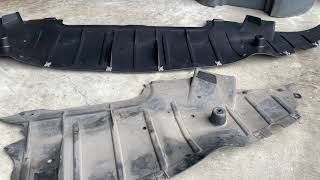
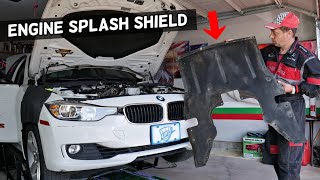
- Assess Material Condition: The original parts are often a fiber-reinforced plastic or composite. Avoid parts that feel brittle or show signs of heat damage or warping. A used OEM shield should still feel relatively sturdy and flexible, not like cheap, thin plastic. 🎬 See how to remove a BMW engine splash shield
Warning: Be wary of very cheap aftermarket splash shields. Forum users report that they are often made from inferior, thinner plastic that can sag, warp, or not align correctly with the mounting holes. Spending a little more on a quality used OEM part can save you significant installation headaches.
Replacement Overview & Difficulty

Replacing the engine splash shield is a straightforward DIY job for most home mechanics.
- Difficulty: 2 out of 5
- Estimated Time: 0.5 - 1.5 hours
- Tools Required: Jack and jack stands, 8mm socket, 10mm socket, flathead screwdriver or trim removal tool for plastic rivets.
The process generally involves lifting the front of the vehicle, removing a series of 8mm screws and sometimes plastic expanding rivets that secure the shield(s) to the bumper, wheel well liners, and subframe. Installation is the reverse of removal. 🎬 Watch this BMW M2 splash guard replacement walkthrough It's a good practice to start all screws by hand to avoid cross-threading and only tighten them fully once the shield is properly aligned.
Cost Comparison
Prices can vary based on which section of the multi-piece shield you need. The main center shield is typically the most expensive.
| Part Type | Estimated Cost |
|---|---|
| New OEM | $120 - $350 |
| New Aftermarket | $50 - $150 |
| Used OEM | $75 - $200 |
| Shop Labor | $100 - $250 |
Frequently Asked Questions (FAQ)
Is the engine splash shield really necessary?
Yes. It protects critical components like the oil cooler, alternator, and belts from water and debris. Driving without it can lead to corrosion, electrical issues, or premature wear of belts and pulleys. It also plays a role in aerodynamics and cooling.
Will an aftermarket splash shield fit as well as the original?
Fitment can be a gamble with aftermarket parts. While some high-quality aftermarket shields fit well, many cheaper options have misaligned holes or are made from flimsy material that sags over time. A used OEM part is often a safer bet for guaranteed fitment.
My splash shield is just dragging a little. Can I just zip-tie it up?
A temporary repair using zip ties can work to get you home or to a shop, but it's not a permanent solution. The shield can still flutter at high speeds and may eventually break the zip ties, becoming a hazard on the road for you and other drivers.
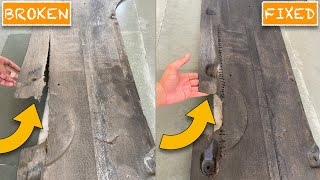
🎬 Watch how to repair a damaged BMW splash shieldAre there any recalls for the splash shield on my M3/M4/M2?
No. There are no specific recalls or TSBs for the engine splash shield on these models. Damage is typically considered the result of external factors like road debris or impacts, not a manufacturing defect.
Helpful Videos
Technical Specifications
OEM Part Numbers: 31102284631 (F8x Aluminum Stiffening Plate) 51758079566 (M2) 51718054282 (M3/M4) 51758049956 51757340168
Material: Typically a mix of plastic, fiber-reinforced composite, and aluminum components. Fasteners are commonly 8mm and 10mm bolts and plastic expanding rivets.
We Have This Part in Stock



The information in this article is provided for general reference and educational purposes only. Vehicle specifications, procedures, and part compatibility can vary by production date, trim level, and region. Always consult your vehicle's factory service manual and verify part numbers before purchasing or performing repairs. Safety-critical components such as airbags, seat belts, and braking systems should be installed by a qualified professional.
- BMW M3:
- BMW M4:
- BMW M2: