

2016-2024 Nissan & Infiniti 5.6L V8 Piston Failure: The Cylinder #7 Knock & Scuffing Issue
An in-depth guide to the common symptoms, causes, and repair costs for piston failure in the Nissan Armada, Titan, QX80, and other vehicles with the 5.6L VK56VD engine.
- A known issue on 2017-2019 models is cylinder #7 wall scuffing, causing an engine knock and requiring a short block replacement according to Nissan/Infiniti TSB ITB19-016.
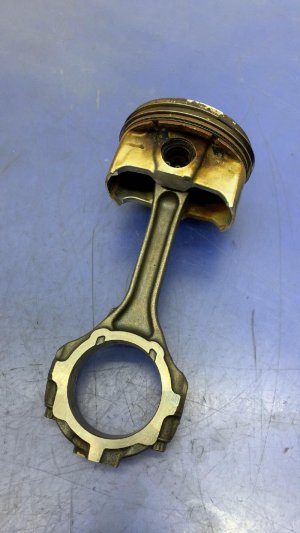
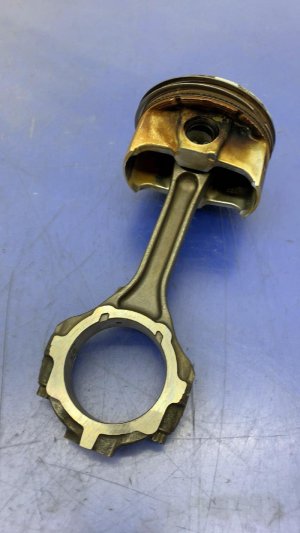
- This specific piston (A2010-9FV0A) is for the RIGHT (Passenger) side of the 5.6L V8 only and will not fit the left side.
- Due to extremely high labor costs, replacing a single failed piston is not practical; a full engine rebuild, short block swap, or used engine replacement is the standard repair.
- Symptoms like engine knock, blue exhaust smoke, and high oil consumption are serious and require immediate attention to avoid catastrophic engine failure.
Understanding the VK56VD Engine Piston


This guide focuses on the right-side (passenger-side) piston and connecting rod assembly for the 5.6L VK56VD V8 engine. This engine is used in a wide range of Nissan and Infiniti trucks and SUVs, including the 2017-2024 Nissan Armada, 2016-2024 Nissan Titan & Titan XD, 2017-2021 Nissan NV2500 & NV3500, 2016-2022 Infiniti QX80, and the 2013-2023 Nissan Patrol.
Compatibility Warning: This is a piston and connecting rod assembly for the RIGHT (Passenger Side) bank of the engine only. It will not fit the left (driver-side) bank. Additionally, Nissan uses multiple piston grades for manufacturing tolerances. This guide refers to the standard Grade 1 piston. Always verify the exact part number and grade required for your specific engine by using the vehicle's VIN.
Common Symptoms of Engine Piston Failure

A failing piston can cause severe engine damage. If you notice any of these symptoms, it is critical to stop driving and have the engine inspected immediately.
- Engine Knock or Ticking Noise: This is one of the most common and alarming symptoms. You may hear a rhythmic knocking or ticking sound, often described as 'piston slap,' 🎬 Listen to this example of a VK56 engine ticking noise. which is the sound of the piston rocking inside the cylinder. This noise is often louder when the engine is cold and may quiet down as it warms up. On the VK56VD, a knock specifically from the passenger side of the engine could point to the known cylinder #7 issue.
- Excessive Oil Consumption and Blue Exhaust Smoke: If you constantly need to add oil between changes, or if you see blue or grayish-blue smoke from the exhaust, it's a sign that oil is leaking past the piston rings and burning in the combustion chamber. A black, sooty tailpipe can also indicate significant oil burning.
- Loss of Power and Engine Misfires: A damaged piston or worn rings can't create a proper seal, leading to a loss of compression. This will make the vehicle feel sluggish and may cause the engine to run rough or hesitate. The Check Engine Light will likely illuminate with misfire codes like P0300 (Random Misfire) or a cylinder-specific code like P0307 (Cylinder 7 Misfire).
- Metal Shavings in Engine Oil: This is a sign of critical internal engine damage. When changing the oil, inspect it for a metallic, glitter-like appearance. If found, the engine has suffered serious wear and likely needs a complete rebuild or replacement.
Known Issues, TSBs, and Recalls for the VK56VD Engine
While the VK56VD is generally a robust engine, there is a well-documented issue affecting specific model years.
TSB for Engine Knock and Cylinder #7 Scuffing (2017-2019 Models)
A significant known issue for 2017-2019 models is cylinder wall scuffing, particularly in cylinder #7 (the second cylinder from the front on the passenger side). This problem can cause a distinct engine knock. In response, Infiniti issued Technical Service Bulletin ITB19-016, which instructs technicians to inspect the #7 cylinder wall with a borescope if a knock is present. If scuffing is confirmed, the official repair is to replace the entire short engine assembly.
🎬 Watch a technician explain the cylinder 7 short block replacement.The root cause is believed to be related to an incorrectly installed or faulty oil jet that fails to provide adequate lubrication to that cylinder wall. While the TSB specifically covers certain years, the issue can potentially occur on other models using this engine.
Other Common VK56VD Engine Issues
- Timing Chains: The timing chains, especially on the right bank which also drives the high-pressure fuel pump, can stretch over time, particularly with high mileage or aggressive driving. This can cause a whining or rattling noise.
- Catalytic Converters: Using low-quality fuel can damage the catalytic converters. In some cases, the ceramic material inside can break apart and get sucked back into the engine, causing abrasive damage to the cylinder walls and pistons.
Buying a Used Engine Piston: A Critical Guide

Because replacing a single piston is an extremely labor-intensive job, it's often more practical to replace the entire engine with a used or remanufactured unit. However, if you are proceeding with an engine rebuild and need a single used piston, careful inspection is crucial.
What to Inspect on a Used Piston
- Piston Skirt: This is the side of the piston. Look for any vertical scratches or scoring marks. A smooth, even surface is ideal. Any deep grooves or scuffing (a dull, smeared appearance) indicates it was rubbing against the cylinder wall and should be rejected.
- Ring Lands: These are the grooves where the piston rings sit. Inspect them closely for any cracks, chips, or signs of warping. Damaged ring lands will prevent the new rings from sealing properly.
- Piston Crown: The top of the piston should be free of any holes, melting, or signs of impact from valves. Minor carbon buildup is normal, but heavy, caked-on deposits could indicate other engine issues.
- Wrist Pin and Connecting Rod: The included connecting rod should move freely on the wrist pin but without excessive play. Check the big end of the rod (where it connects to the crankshaft) for any signs of heat discoloration (blueing) or distortion, which indicates oil starvation.
Why Used OEM is a Smart Choice
For a stock repair, a used OEM piston and rod assembly is often the best value. Aftermarket pistons are typically high-performance forged units sold in expensive sets of eight, which is unnecessary for a standard repair. A good, inspected used OEM part provides the correct material, weight, and dimensions for a fraction of the cost of a new one, and it typically includes the connecting rod, saving you more money.
Pro Tip: When sourcing a used piston, try to get it from a low-mileage engine. Ask the seller for the VIN of the donor vehicle to verify the year and model, and to get a vehicle history report if possible.
Replacement Overview & Difficulty
- Difficulty Rating: 5 out of 5 (Expert Level)
- DIY Feasible: No. This is not a DIY job for the home mechanic.
- Estimated Time: 25-35 hours
Replacing an engine piston is one of the most complex automotive repairs. It requires the complete removal of the engine from the vehicle, followed by a full teardown. Special tools are needed to hone the cylinders, press wrist pins, and measure tight tolerances. Because the labor cost is so high, if one piston has failed due to wear, scoring, or oiling issues, it is highly likely that other cylinders and bearings are also worn. For this reason, most professional shops will recommend replacing the short block (as per TSB ITB19-016) or installing a complete, inspected used or remanufactured engine.
Cost of Replacing a VK56VD Piston (2026 Estimates)
The cost to fix a failed piston varies dramatically based on the chosen repair path. Replacing just one piston is almost never done due to the high labor cost making it uneconomical.
| Part/Service | Estimated Cost | Notes |
|---|---|---|
| New OEM Piston (Part Only) | $85 - $120 | For one piston and pin assembly. |
| Used OEM Piston & Rod Assembly | $45 - $65 | A cost-effective option for rebuilds. |
| New Aftermarket Piston Set | $1,500 - $2,000+ | For a full set of 8 high-performance forged pistons. |
| Shop Labor (Piston Replacement) | $3,500 - $5,500+ | Extremely high due to full engine disassembly. |
| New OEM Short Block (Parts Only) | $6,500 - $8,700 | The factory-recommended repair for cylinder scuffing. |
| Remanufactured Engine | $4,000 - $6,000 | A complete, rebuilt engine assembly. |
| Used Engine Assembly | $3,500 - $5,000 | A complete used engine from a donor vehicle. |
Frequently Asked Questions (FAQ)
Can I just replace the piston rings instead of the whole piston?
You can, but only if the piston itself and the cylinder wall are in perfect condition. If you have piston slap or cylinder scuffing, the piston and/or cylinder bore are worn, and new rings will not solve the problem. The engine must be disassembled to replace the rings, so it's critical to measure everything and replace all worn parts at the same time.
What causes the cylinder #7 scuffing issue?
The leading theory, supported by TSB information and forum discussions, is a problem with the oil jet that sprays lubricating oil onto the bottom of the piston and cylinder wall. If this jet is clogged, misaligned, or faulty, cylinder #7 can be starved of oil, leading to friction, heat, and scuffing of the cylinder wall and piston skirt.
Is the engine knock from a bad piston dangerous?
Yes. An engine knock is a sign of a serious mechanical problem. Continuing to drive the vehicle can lead to catastrophic failure, where the piston or connecting rod breaks apart, potentially destroying the entire engine block and leaving you stranded.
Will using thicker oil fix my piston slap?
Using a slightly thicker grade of oil might quiet down minor piston slap temporarily, but it is not a fix. It's a temporary band-aid for a mechanical wear problem. The excessive clearance between the piston and cylinder wall will still exist, and the wear will continue to progress.
Helpful Videos
Technical Specifications
OEM Part Numbers: A2010-9FV0A A2010-EZ30C a2010ez30c
Engine: 5.6L V8 (VK56VD), Piston Grade: 1 (Standard), Location: Right (Passenger Side) Bank
We Have This Part in Stock

The information in this article is provided for general reference and educational purposes only. Vehicle specifications, procedures, and part compatibility can vary by production date, trim level, and region. Always consult your vehicle's factory service manual and verify part numbers before purchasing or performing repairs. Safety-critical components such as airbags, seat belts, and braking systems should be installed by a qualified professional.
- Nissan Armada:
- NISSAN Armada:
- Infiniti QX80:
- Nissan Titan:
- INFINITI QX80:
- NISSAN Titan:
- Nissan NV2500:
- Nissan NV3500:
- Nissan Titan XD:
- NISSAN Patrol:
- 🎬 Helpful Videos
- 🛍️ Shop This Part
- Understanding the VK56VD Engine Piston
- Common Symptoms of Engine Piston Failure
- Known Issues, TSBs, and Recalls for the VK56VD Engine
- TSB for Engine Knock and Cylinder #7 Scuffing (2017-2019 Models)
- Other Common VK56VD Engine Issues
- Buying a Used Engine Piston: A Critical Guide
- What to Inspect on a Used Piston
- Why Used OEM is a Smart Choice
- Replacement Overview & Difficulty
- Cost of Replacing a VK56VD Piston (2026 Estimates)
- Frequently Asked Questions (FAQ)
- 🎟️ Get 5% Off