

Mercedes M157 Engine Piston Failure: A Guide to Cylinder Scoring in AMG 5.5L V8s (2011-2019)
This guide covers the critical cylinder scoring issues, oil consumption, and failure symptoms of the pistons in the Mercedes-AMG 5.5L Bi-Turbo M157 engine.
- The most critical issue is cylinder wall scoring, which destroys both the piston and the engine block, requiring a very expensive rebuild or engine replacement.
- Replacement is an expert-level, engine-out job with labor costs often exceeding $10,000; it is not a DIY project.
- Symptoms include loud engine knocking, a sudden increase in oil consumption, blue exhaust smoke, and misfire codes (P030X).
- When buying a used piston, it is absolutely essential to inspect the piston skirt for any vertical scratches; any scoring makes the part unusable.
Critical Issue: Cylinder Wall Scoring

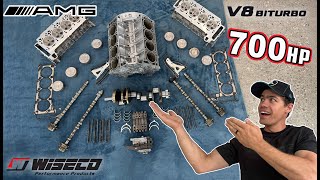
The single most important issue affecting the M157 engine and its pistons is cylinder wall scoring. Unlike many engines that have separate iron cylinder liners, the M157's aluminum engine block features a special silicon-infused surface (known as Silitec or Alusil). While this design is lightweight and reduces friction, if it becomes worn or damaged, it can develop vertical scratches, or 'scores,' on the cylinder wall. Once the wall is scored, it acts like sandpaper, rapidly wearing out the piston skirt and rings. This damage is irreversible and requires either a complete engine replacement or an expensive rebuild where the block is machined to accept new steel cylinder sleeves. 🎬 See a full professional rebuild of a 700HP M157 engine. Some reports indicate this issue is more common on cylinders #1 and #5, possibly due to increased heat from the nearby turbochargers.
🎬 Watch: A deep dive into M157 reliability and common problems.Symptoms of a Failed Piston or Scored Cylinder

A failing piston in the M157 engine, often caused by cylinder scoring, will produce severe and unmistakable symptoms. Do not operate the vehicle if you notice any of the following.
- Loud Engine Knocking or Ticking: The most common symptom is a rhythmic knocking or tapping sound from the engine that increases in speed with RPMs. This is often caused by the damaged piston rocking back and forth in the worn cylinder, a condition known as 'piston slap'.
- Excessive Oil Consumption: A sudden, dramatic increase in oil consumption is a major red flag. While these engines can use some oil normally, consumption of a quart every 500-600 miles indicates a serious problem with the piston rings' ability to seal against the cylinder wall.
- Blue or Gray Exhaust Smoke: When the piston rings can no longer seal properly, engine oil enters the combustion chamber and is burned along with fuel. This produces visible blue or gray smoke from the exhaust, especially during acceleration, and is often accompanied by the smell of burning oil.
- Loss of Power and Misfires: A damaged piston or scored cylinder wall prevents the cylinder from holding compression. This leads to a noticeable loss of power, a rough idle, and engine hesitation. The Check Engine Light will almost certainly illuminate with misfire codes, such as P0300 (Random/Multiple Misfire) or a specific cylinder code like P0301-P0308.
Buying a Used M157 Engine Piston

Due to the extremely high cost of a new OEM piston, a used part can be a viable option, but only if it is being installed as part of a professional engine rebuild where the cylinder block is being re-sleeved. A used piston cannot fix a scored cylinder wall. Extreme caution is required when purchasing.
Warning: Never install a used piston into a cylinder that shows any signs of scoring or wear. The new piston will be destroyed in short order. The cylinder wall MUST be perfectly smooth and within specification.
Physical Inspection Checklist
Before buying a used M157 piston, inspect it meticulously:
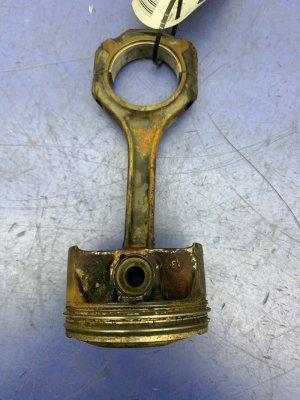
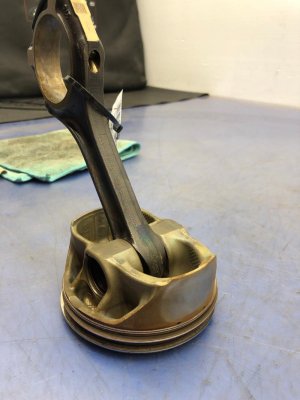
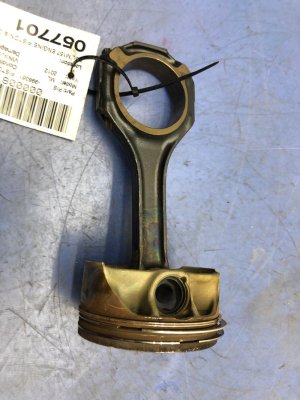
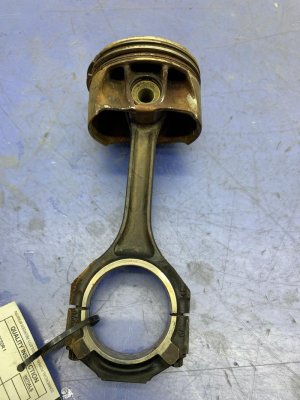
- Piston Skirt: This is the most critical area. Look for any vertical scratches or scoring on the sides (skirts) of the piston. A piston removed from a scored cylinder is unusable junk. The gray factory coating on the skirt should be mostly intact and not worn down to bare, shiny metal.
- Ring Lands: The small grooves that hold the piston rings are a known weak point, especially on tuned engines. Inspect these grooves very closely for any hairline cracks. A cracked ring land means the piston cannot hold compression and is worthless.
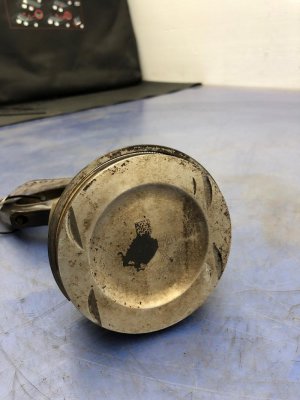
- Piston Crown: Check the top of the piston for any signs of melting, pitting, or damage from detonation (engine knock) or foreign objects.
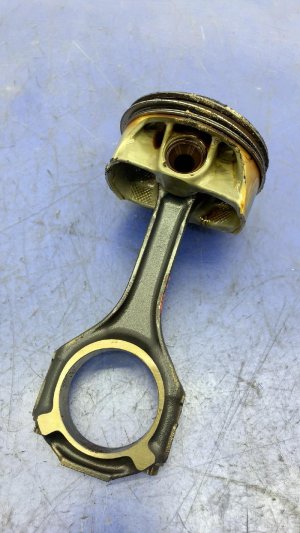
- Connecting Rod: Ensure the connecting rod is straight and has not been bent. Check for any discoloration from extreme heat, which could indicate a lubrication failure. The wrist pin (which connects the piston to the rod) should move freely but without excessive play.
Known Issues, TSBs, and Recalls

While cylinder scoring is the main internal failure, owners of these vehicles should be aware of other common M157 engine issues.
- TSB - Spark Plug Indexing: Mercedes issued a technical service bulletin explaining that spark plugs must be torqued to a specific value to ensure the ground electrode faces a certain direction relative to the fuel injector. Incorrect installation can lead to poor combustion and potentially damage the piston crown over time.
- TSB - Timing Chain Tensioners: Early models (2011-2012) could suffer from a loud rattle on cold starts. This was caused by oil draining out of the timing chain tensioners. Mercedes released updated tensioners and check valves to fix this.
- Oil & Coolant Leaks: The M157 is known for oil leaks from the upper timing covers and oil filter housing gasket. Brittle plastic coolant lines are also a common failure point. On engines built before December 2013, a failing internal seal between the timing case and crankcase can cause oil and coolant to mix, leading to catastrophic bearing failure.
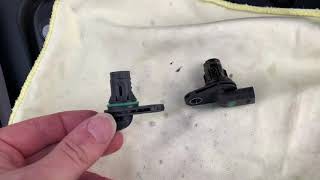
- Leaking Camshaft Position Sensors: Oil can leak through the camshaft position sensors and travel down the wiring harness into the main engine computer (ECU), causing random misfires and other electrical chaos. 🎬 Watch: How to replace cam sensors to prevent harness oil leaks.
Cost of Replacement
Replacing an engine piston is an expert-level, engine-out job. The labor cost is extremely high and often exceeds the cost of the parts. In most cases of piston failure, the engine block is also damaged, requiring a full rebuild or replacement.
| Item | Estimated Cost |
|---|---|
| New OEM Piston (Single) | $600 - $700 |
| New Aftermarket Piston (Single) | $50 - $100 |
| Used OEM Piston (Single) | $75 - $150 |
| Shop Labor (Piston Replacement Only) | $8,000 - $15,000+ |
| Engine Rebuild (Professional) | $15,000 - $25,000+ |
| Used Engine Assembly | $7,000 - $16,000 |
Frequently Asked Questions (FAQ)
What is the primary cause of M157 piston failure?
The primary cause is cylinder wall scoring. The wear on the cylinder wall destroys the piston rings and skirt, leading to a loss of compression, excessive oil consumption, and engine knock. Other causes can include detonation from aggressive aftermarket tuning or poor fuel quality, and lubrication failure from oil/coolant mixing.
Can I just replace one bad piston?
Technically yes, but it's rarely that simple. The failure of one piston is almost always a symptom of a larger problem, like a scored cylinder wall. If the cylinder wall is damaged, simply putting in a new piston will not solve the problem; the new piston will fail quickly. Replacement should only be done after a thorough diagnosis confirms the cylinder wall is in perfect condition or after the block has been professionally repaired (sleeved).
How can I prevent piston failure in my M157 engine?
Use high-quality, MB 229.5-approved synthetic oil and change it frequently (every 5,000-7,000 miles). Always allow the engine to warm up properly before driving aggressively. Address any related issues like coolant leaks, misfires, or timing chain rattles immediately. Avoid high-torque, aggressive aftermarket tunes on high-mileage engines unless the internal components have been upgraded.
Will a piston from an S63 AMG fit my G63 AMG?
Yes. As long as both vehicles are equipped with the 5.5L M157 V8 engine, the piston and connecting rod assembly is the same. Compatibility is tied to the engine code (M157), not the specific vehicle model (e.g., E63, S63, G63, etc.).
Affected Vehicles
- 2013-2018 Mercedes-Benz G63 AMG
- 2011-2017 Mercedes-Benz S63 AMG
- 2012-2016 Mercedes-Benz E63 AMG
- 2011-2014 Mercedes-Benz CL63 AMG
- 2012-2018 Mercedes-Benz CLS63 AMG
- 2013-2016 Mercedes-Benz GL63 AMG
- 2016-2019 Mercedes-Benz GLE63 AMG
- 2017-2019 Mercedes-Benz GLS63 AMG
- 2012-2015 Mercedes-Benz ML63 AMG
- 2013-2019 Mercedes-Benz SL63 AMG
Pro Tip: If you are experiencing misfires, especially on multiple cylinders, check your camshaft position sensors for oil intrusion before assuming the worst. Oil leaking into the wiring harness can mimic symptoms of a more severe internal engine problem and is a much easier and cheaper fix.
Helpful Videos
Technical Specifications
OEM Part Numbers: 1570300517 157030051764 A1570300517 A157030051764 1570300117 1570300317
Engine: Mercedes-Benz M157 5.5L V8 Bi-Turbo. Piston Bore Diameter: 98.00 mm (Standard Size)
We Have This Part in Stock

The information in this article is provided for general reference and educational purposes only. Vehicle specifications, procedures, and part compatibility can vary by production date, trim level, and region. Always consult your vehicle's factory service manual and verify part numbers before purchasing or performing repairs. Safety-critical components such as airbags, seat belts, and braking systems should be installed by a qualified professional.
- Mercedes-Benz G63 AMG:
- Mercedes-Benz S63 AMG:
- Mercedes-Benz E63 AMG:
- Mercedes-Benz CL63 AMG:
- Mercedes-Benz CLS63 AMG:
- Mercedes-Benz GL63 AMG:
- Mercedes-Benz GLE63 AMG:
- Mercedes-Benz GLS63 AMG:
- Mercedes-Benz ML63 AMG:
- Mercedes-Benz SL63 AMG: