

Audi & VW 3.0T Low Oil Pressure Warning (2010-2019): Oil Pump, Sensor, or Something Else?
This guide covers the critical low oil pressure warning on the 3.0L Supercharged V6, helping you diagnose whether it's a simple sensor or the engine oil pump itself.
- If you see a 'Low Oil Pressure' warning, STOP the engine immediately to prevent catastrophic damage.
- A faulty oil pressure sensor is a common and much cheaper problem that can cause the same warning; diagnose this first.
- Replacement is a very labor-intensive job (5/5 difficulty) requiring the front subframe to be dropped, making labor the biggest expense.
- You MUST match the full OEM part number, including the letter suffix, as different versions are not interchangeable.
Symptoms of a Failing Engine Oil Pump


A failing oil pump gives very serious warnings. Ignoring them, even for a short time, can result in complete engine failure. If you experience the following, stop the engine immediately and have the vehicle towed.
1. Low Oil Pressure Warning Light
Severity: Critical
This is the most direct symptom. You will see a red oil can symbol on your dashboard, often accompanied by a message like "Oil Pressure Low: Stop Engine Safely." This is not a suggestion; it is a command. The engine's electronic control unit (ECU) has detected that oil pressure has dropped below the minimum safe level for operation. Continuing to drive could destroy the engine in minutes.
🎬 Watch: What to do when your oil light comes on2. Engine Knocking, Ticking, or Rattling Noises
Severity: Critical
When oil pressure is lost, the hydraulic cushion between moving parts disappears. This causes metal components, like bearings and lifters, to make contact. The result is a range of noises from a light ticking to a heavy, deep knocking sound coming from the engine. This noise is the sound of your engine damaging itself due to a lack of lubrication.
3. High Engine Oil Temperature
Severity: Moderate
Engine oil does more than just lubricate; it also helps cool internal components. If the oil pump is weak and not circulating enough oil, the oil that is in the engine will absorb more heat than it can dissipate. This can lead to an unusually high oil temperature reading on your gauge, which can be an early indicator of a circulation problem.
Diagnosis First: Is It Really the Oil Pump?

A low oil pressure warning is serious, but it doesn't automatically mean the oil pump has failed. The pump itself is a relatively robust mechanical part. Other, more common issues can trigger the same warning. Before undertaking an expensive repair, perform these diagnostic steps.
Step 1: Check the Oil Level
The simplest cause of low oil pressure is a low oil level. Use the dipstick or the MMI's electronic oil level display to verify the engine has the correct amount of oil. If it's low, you may have an oil leak or consumption issue that needs to be addressed. Common leak points on the 3.0T engine include the upper timing chain covers and PCV valve.
Step 2: Suspect the Oil Pressure Sensor
A faulty oil pressure sensor (or switch) is a very common reason for a false low-pressure warning. These sensors can fail, sending an incorrect signal to the computer. On early 3.0T engines, an older gray sensor was known to be problematic and was superseded by an updated purple sensor. Replacing the sensor is far cheaper and easier than replacing the oil pump and is a logical next diagnostic step if the oil level is correct.
🎬 See how to replace the oil pressure switchStep 3: Perform a Mechanical Oil Pressure Test
This is the definitive test. A technician will connect a mechanical pressure gauge to the engine. This tool physically measures the oil pressure, bypassing all electronics. If the mechanical gauge shows proper oil pressure while the dashboard light is on, the problem is almost certainly a bad sensor or wiring. If the mechanical gauge confirms low pressure, then the oil pump, a clogged pickup tube, or worn engine bearings are the likely culprits.
Pro Tip: If you get a low oil pressure warning that only appears at idle but goes away when you rev the engine, it could be a sign of a weak pump or worn bearings. Do not continue to drive; have it diagnosed immediately.
Known Issues for the 3.0T Supercharged Engine

While this guide focuses on the oil pump, it's important to know about other common issues on these engines that can cause oil-related symptoms.
- PCV / Oil Separator Failure: The Positive Crankcase Ventilation (PCV) valve is a very common failure point, located under the supercharger. A failed PCV can cause high oil consumption, and Audi issued a Technical Service Bulletin (TSB 2030197/15) for this issue 🎬 Watch this DIY guide for PCV and oil separator replacement on earlier models. While it won't directly cause low oil pressure, it can lead to a low oil level if not addressed.
- Water Pump & Thermostat Leaks: Coolant leaks from the plastic water pump and thermostat housing are frequent. This is unrelated to oil pressure but is a key maintenance item to be aware of on these engines.
- Timing Chain Tensioners: The 3.0T has four timing chains at the rear of the engine. The hydraulic tensioners rely on good oil pressure to function. A failing oil pump can starve the tensioners, leading to a chain rattle noise, especially on startup.
Warning: Many search results confuse the 3.0T Supercharged V6 with the 4.0T Twin-Turbo V8 found in the S6, S7, and S8. The 4.0T engine has a well-known, specific problem with a clogged turbocharger oil strainer that is covered by a recall. This issue does NOT apply to the 3.0T Supercharged engine in your A6, A7, A8, Q7, S4, S5, SQ5, or Touareg.
Buying a Used Engine Oil Pump
Since outright oil pump failure is not a high-frequency problem and the labor to replace it is so expensive, a quality, low-mileage used OEM pump is an excellent value. It provides the same factory reliability as a new part for a fraction of the price. Here's what to look for:
- Verify the Part Number: This is the most critical step. The 3.0T engine has had many oil pump revisions over the years, identified by the letter suffix on the part number (e.g., 06E103547AE, 06E103547AH). These versions are NOT interchangeable. You must match the full part number from your original pump to the replacement.
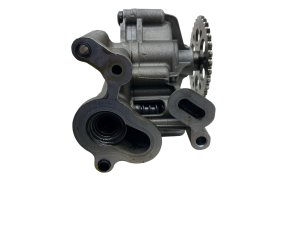
- Physical Inspection: When you receive the used pump, inspect it carefully. Look for any cracks or damage to the aluminum housing. Check that the oil pickup screen is clean, free of sludge, and not torn or damaged. If possible, look at the internal gears or rotors and ensure they are smooth and free from deep scoring or gouges.
- Mileage and History: Choose a pump from a vehicle with the lowest mileage possible. A pump from a 60,000-mile vehicle is a much safer bet than one from a car with 160,000 miles.
- Why Used OEM is Smart: A new aftermarket oil pump may be cheap, but its quality, materials, and tolerances are unknown. Given that a failed pump can destroy your engine and the labor cost is so high, you don't want to take a chance on an unproven part. A used OEM pump has already proven it meets Audi's manufacturing standards.
Replacement Overview & Difficulty
Replacing the engine oil pump on these vehicles is a difficult and labor-intensive job not recommended for a beginner DIY mechanic.
- Difficulty Rating: 5 out of 5
- Feasibility: Not recommended for DIY unless you are a very experienced technician with access to a vehicle lift and engine support tools.
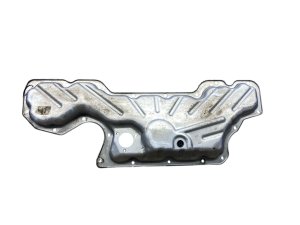
- The Process: The oil pump is located inside the lower oil pan. On these Quattro-equipped vehicles, the front differential and subframe often block access to the oil pan. The typical procedure involves supporting the engine from above, then lowering the entire front subframe to gain the clearance needed to remove the oil pan and access the pump.
- Related Parts: While the pump is being replaced, it is essential to also replace the oil pan gasket, the oil pickup tube O-ring, and perform a complete oil and filter change.
Cost Comparison
The high labor cost makes this a very expensive repair, which is why choosing the right part is so important.
| Part/Service | Estimated Cost |
|---|---|
| New OEM Oil Pump | $350 - $700+ |
| New Aftermarket Oil Pump | $150 - $300 |
| Used OEM Oil Pump | $75 - $250 |
| Shop Labor | $1,200 - $2,500+ |
| Total Job (with Used OEM) | $1,275 - $2,750 |
| Total Job (with New OEM) | $1,550 - $3,200+ |
Frequently Asked Questions
Can I drive my Audi with the low oil pressure light on?
No. Absolutely not. Driving with a confirmed low oil pressure condition will cause catastrophic engine damage within minutes, potentially requiring a complete engine replacement. Pull over immediately, shut off the engine, and have the vehicle towed.
How do I know if it's the oil pump or just the sensor?
You can't know for sure without proper diagnosis. However, if the light comes on but the engine sounds perfectly normal with no ticking or knocking, a faulty sensor is a strong possibility. The only way to be certain is to have a mechanic test the oil pressure with a mechanical gauge.
What causes the oil pump to fail on the 3.0T engine?
Actual pump failure is relatively rare but can be caused by several factors. High mileage and simple wear and tear are the primary causes. Engine sludge from not changing the oil frequently enough can clog the pickup screen, starving the pump for oil and causing it to fail. Debris from another internal engine failure (like a timing chain guide breaking apart) can also be sucked into the pump and damage its internal gears.
Why is the replacement so expensive?
The cost is almost entirely due to labor. The pump itself is located inside the engine's oil pan. On the Audi A6, A7, A8, Q7, S4, S5, SQ5, and VW Touareg, the front subframe, suspension, and drivetrain components must be removed or lowered to access the oil pan. This process can take a professional technician 8-12 hours or more.
Helpful Videos
Technical Specifications
OEM Part Numbers: 06E103547 06E103547AB 06E103547AC 06E103547AD 06E103547AE 06E103547AF 06E103547AH 06E103547E 06E103547F 06E103547H 06E103547N 06E103547P 06E103547Q 06E103547S 06E115105AD 06E115105BD 06E115105BC
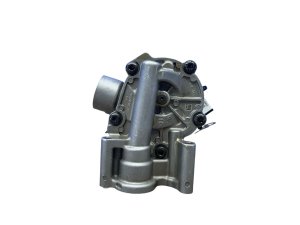
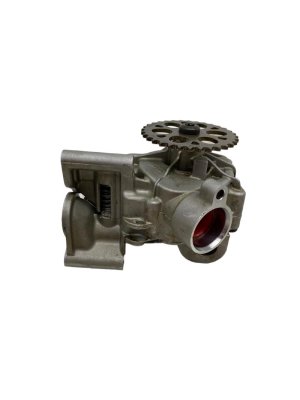
Fits vehicles equipped with the 3.0L V6 Supercharged (3.0T) gas engine. Driven by an internal timing chain. Located inside the engine oil pan.
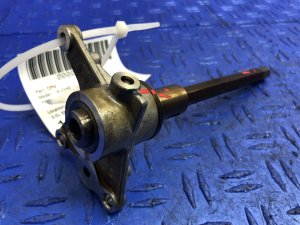
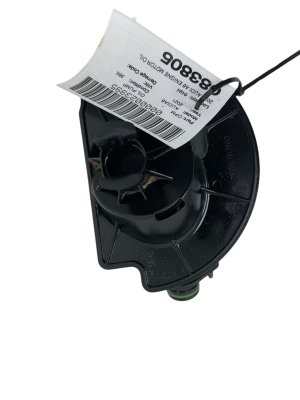
We Have This Part in Stock

The information in this article is provided for general reference and educational purposes only. Vehicle specifications, procedures, and part compatibility can vary by production date, trim level, and region. Always consult your vehicle's factory service manual and verify part numbers before purchasing or performing repairs. Safety-critical components such as airbags, seat belts, and braking systems should be installed by a qualified professional.
- AUDI A8:
- Audi A6:
- AUDI A6:
- Audi A7:
- AUDI A7:
- AUDI Q7:
- AUDI S5:
- AUDI S4:
- VOLKSWAGEN TOUAREG:
- AUDI SQ5:
- AUDI Q5:
- 🎬 Helpful Videos
- 🛍️ Shop This Part
- Symptoms of a Failing Engine Oil Pump
- 1. Low Oil Pressure Warning Light
- 2. Engine Knocking, Ticking, or Rattling Noises
- 3. High Engine Oil Temperature
- Diagnosis First: Is It Really the Oil Pump?
- Step 1: Check the Oil Level
- Step 2: Suspect the Oil Pressure Sensor
- Step 3: Perform a Mechanical Oil Pressure Test
- Known Issues for the 3.0T Supercharged Engine
- Buying a Used Engine Oil Pump
- Replacement Overview & Difficulty
- Cost Comparison
- Frequently Asked Questions
- 🎟️ Get 5% Off