

1995-1998 Range Rover P38 Oil Cooler: Fixing the Dreaded 'Milkshake' Failure
This guide covers the critical failure symptoms of the engine oil cooler on 1995-1998 Range Rover P38 models and how to ensure you purchase the correct part for your 4.0L or 4.6L V8 engine.
- The most critical failure symptom is a 'milkshake' mix of oil and coolant, which requires you to stop driving immediately to prevent catastrophic engine failure.
- The 4.0L V8 (part ESR3204) and 4.6L V8 (part ESR3205) use different, non-interchangeable oil coolers. Verify your engine size before buying.
- When buying a used cooler, the most important check is to inspect the inlet/outlet ports for any milky residue. If any is present, the part is bad.
- After replacing an internally failed cooler, you must thoroughly flush both the engine oil and cooling systems to remove all contamination.
Symptoms of a Failing Oil Cooler

The most notorious and severe symptom of a failing oil cooler on the P38 Range Rover is the mixing of engine oil and coolant. This happens when the cooler fails internally, allowing the two fluids to merge. This creates a thick, foamy emulsion often described as a "milkshake" or "coffee" consistency. You may find this substance in the coolant expansion tank or on the engine oil dipstick. This is a critical failure that requires immediate attention.
- Milky Coolant or Oil: The classic sign of internal failure. Oil in the coolant reservoir or milky, frothy oil on the dipstick is a dead giveaway.
- External Leaks: The cooler or its connecting lines can develop external leaks. You might notice puddles of oil or coolant under the front of the vehicle or see residue on the cooler itself.
- Engine Overheating: If the cooler is clogged or has lost a significant amount of coolant through a leak, the engine's cooling system will be compromised, leading to higher-than-normal operating temperatures.
- Low Oil or Coolant Levels: A leak, whether internal or external, will cause a drop in fluid levels. You may see the oil pressure or temperature warning light illuminate on the dashboard.
- Engine Noises: In advanced stages of failure, poor lubrication from contaminated oil can cause knocking or ticking sounds from the engine, indicating serious internal wear.
Warning: Driving with mixed oil and coolant will cause rapid and catastrophic engine damage. The contaminated oil loses its ability to lubricate, leading to bearing failure. If you see milky fluid, do not drive the vehicle.
Variant Differences: 4.0L vs. 4.6L V8

A critical point for any P38 owner is that the two V8 engines offered during this period use different, non-interchangeable engine oil coolers. Verifying your engine size before ordering a replacement is essential to avoid purchasing the wrong part.
| Engine Size | OEM Part Number | Notes |
|---|---|---|
| 4.0L V8 | ESR3204 | Specifically for the 4.0L V8 models. |
| 4.6L V8 | ESR3205 | Specifically for the 4.6L V8 models. |
While they look similar, the coolers have differences in their fittings or dimensions that prevent them from being swapped. Always confirm your vehicle's engine before purchasing.
Buying a Used Engine Oil Cooler: What to Check

A clean, verified used OEM oil cooler can be a reliable and cost-effective alternative to expensive new parts. However, careful inspection is mandatory to avoid buying a part that has already failed.
- Verify the Part Number: First and foremost, ensure the part is either an ESR3204 (4.0L) or ESR3205 (4.6L) to match your engine. Do not rely on visual identification alone.
- Inspect the Ports for 'Milkshake': This is the most important check. Look inside the oil and coolant inlet/outlet ports. If you see any thick, milky, or sludgy residue, the cooler has failed internally and is worthless. The inside should be clean, showing only traces of clean oil or coolant.
- Check for Corrosion and Damage: Examine the aluminum body for any cracks, deep gouges, or heavy corrosion, especially around the hose fittings where leaks often start. Check that the mounting points are intact.
- Ask for Vehicle History: If possible, find out the mileage of the donor vehicle. A lower-mileage part is generally preferable. Ask if the donor vehicle had any known overheating issues or head gasket problems, as these can stress the oil cooler.
- Plan for New Seals: The cooler uses O-rings to seal against the engine block. You should always install a used cooler with new O-rings to ensure a leak-free installation. 🎬 Watch this guide on replacing the oil filter housing gasket and O-rings
Pro Tip: When replacing a failed cooler that has mixed fluids, a complete system flush is non-negotiable. You must flush the engine oil system (often requiring multiple oil and filter changes) and the entire cooling system to remove all traces of contamination. Failure to do so will leave abrasive, contaminated fluid in your engine.
Cost Comparison
Prices can vary significantly between new OEM, aftermarket, and used parts. Labor costs for this job are also substantial due to the part's location.
| Part Source | Estimated Cost |
|---|---|
| New OEM (Dealer) | $390 - $875 |
| New Aftermarket | $199 - $240 |
| Used OEM | $40 - $150 |
| Shop Labor | $460 - $680 |
Replacement Overview & Difficulty
Replacing the engine oil cooler on a P38 Range Rover is a moderately difficult job that requires draining the cooling system and engine oil. Access can be tight, and dealing with seized fittings is common.
- Difficulty Rating: 3 out of 5
- Estimated Time: 3-5 hours
- Process Summary: The process generally involves removing the viscous fan and shroud for access, draining the coolant and oil, disconnecting the two large oil cooler lines (which are often seized and may require replacement), unbolting the cooler from the side of the engine's front cover, and cleaning the mounting surfaces before installing the new cooler with new O-rings. 🎬 See how to replace and upgrade your P38 oil cooler and lines Refill with fresh fluids and bleed the cooling system.
Known Issues, TSBs, and Recalls
There are no specific recalls or Technical Service Bulletins (TSBs) from the NHTSA directly related to the engine oil cooler on the 1995-1998 Range Rover. However, the internal failure causing oil and coolant to mix is a widely documented common problem in owner forums and among Land Rover specialists. Several unrelated recalls exist for this vehicle generation, including for fuel tanks and vehicle speed control, but none address the oil cooler.
Frequently Asked Questions (FAQ)
What exactly is the 'milkshake' everyone talks about?
The 'milkshake' is an emulsion created when oil and water (coolant) are forced to mix under pressure, typically due to an internal failure in a heat exchanger like the oil cooler. It has the consistency of a thick, foamy milkshake and is extremely damaging to an engine because it cannot lubricate properly.
Can I use an oil cooler from a 4.6L on my 4.0L engine, or vice-versa?
No. The parts are not interchangeable. The 4.0L V8 requires part number ESR3204, and the 4.6L V8 requires ESR3205. You must order the specific part for your engine size.
What happens if I ignore a leaking oil cooler?
Ignoring it is extremely risky. A small external leak can quickly worsen, leading to low oil levels and engine damage. An internal leak that mixes coolant and oil is even more dangerous, as it will destroy engine bearings and lead to complete engine failure in a very short time.
Do I have to flush the engine and cooling system after replacing the cooler?
Yes, if the old cooler failed internally and mixed fluids, flushing is mandatory. The cooling system must be completely flushed to remove all oil residue, which can damage rubber hoses. The engine's lubrication system must also be flushed—this often involves running the engine for a short time with a fresh, inexpensive oil and new filter, then draining and refilling again with the proper grade of oil and a new filter to ensure all contaminated sludge is removed.
Helpful Videos
Technical Specifications
OEM Part Numbers: ESR3204 ESR3205
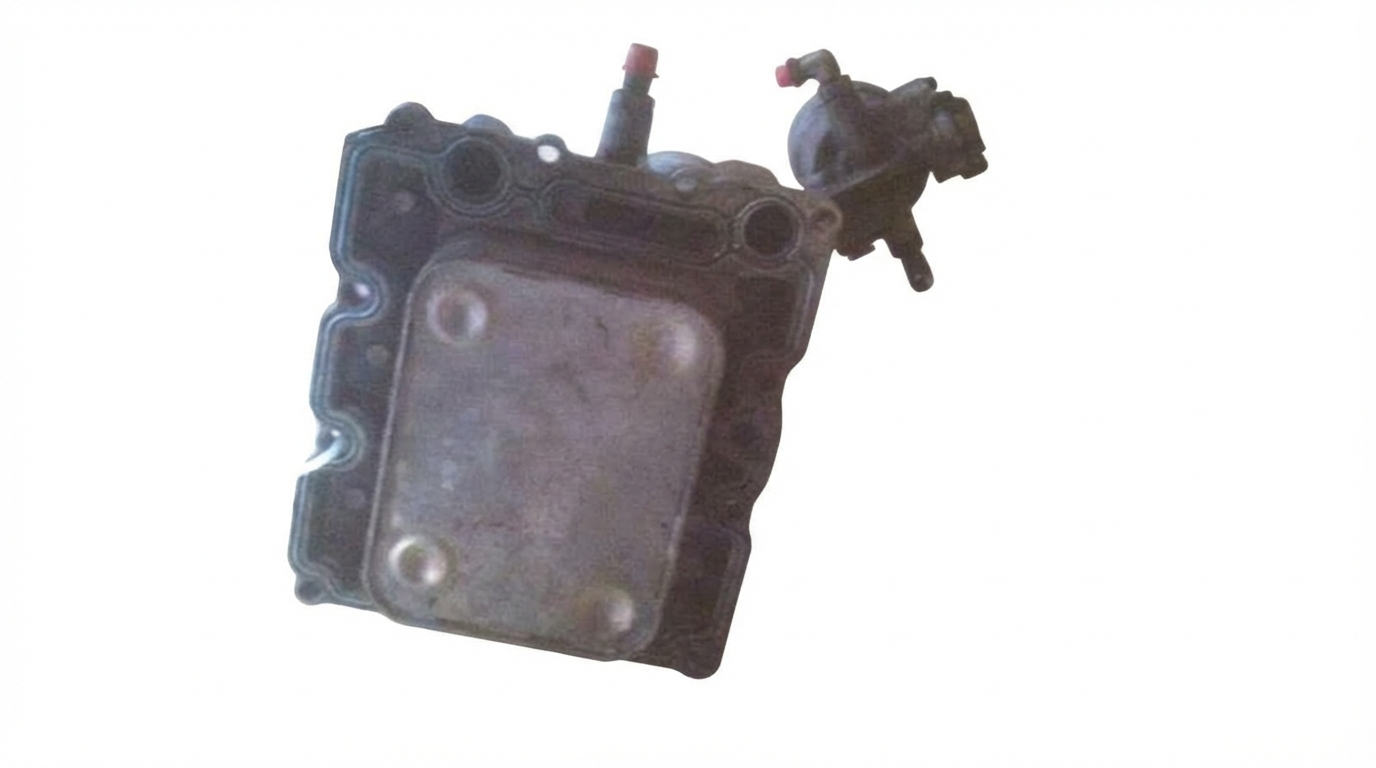
Coolant-to-oil heat exchanger. Specific part numbers for 4.0L and 4.6L V8 engines.
We Have This Part in Stock

The information in this article is provided for general reference and educational purposes only. Vehicle specifications, procedures, and part compatibility can vary by production date, trim level, and region. Always consult your vehicle's factory service manual and verify part numbers before purchasing or performing repairs. Safety-critical components such as airbags, seat belts, and braking systems should be installed by a qualified professional.
- Land Rover Range Rover: