

1994-1995 Corvette ZR-1 Engine Oil Cooler: Leaks, Lines, and Replacement
This guide covers the unique air-to-oil cooler found only on the C4 Corvette ZR-1, focusing on common leak points and what to inspect on a used part.
- This engine oil cooler is exclusive to 1994-1995 Corvette ZR-1 models with the LT5 engine; it does not fit the base LT1 engine.
- The most common failure is not the cooler itself, but leaks from the crimped fittings on the original rubber oil lines.
- When buying used, prioritize upgraded braided stainless steel lines over original rubber hoses, as they are far more reliable.
- Verify you are buying the correct 1994-1995 cooler, as it differs from the one used on 1990-1993 models due to A/C system changes.
Symptoms of a Failing Engine Oil Cooler

Failure of the engine oil cooler or its associated lines on a 1994-1995 Corvette ZR-1 will primarily result in external oil leaks. Unlike oil-to-coolant coolers found on other vehicles, this air-to-oil system does not risk mixing oil and coolant. Symptoms are usually straightforward.
- Visible Oil Leaks: This is the most common sign of failure. Oil may be seen dripping from the cooler itself, which is located at the very front of the car, or from the lines that run to and from it. A coating of oily grime on the cooler fins or on the plastic air dam below it is a clear indicator of a slow leak.
- Burning Oil Smell: If oil leaks onto hot engine components, such as the exhaust manifolds, it will produce a distinct and acrid burning smell.
- Low Engine Oil Level or Warning Light: A significant leak will lead to a drop in the engine oil level. If the level drops too low, the oil pressure warning light on the dashboard may illuminate. This is a critical warning, and the engine should be shut off immediately to prevent severe damage.
- Engine Overheating: While less direct, a malfunctioning oil cooler system can contribute to higher overall engine temperatures. The engine oil is responsible for a significant portion of engine cooling, and if it's not being cooled properly, the burden on the main coolant system increases.
Pro Tip: The most frequent failure point is not the cooler itself, but the crimped connections on the original rubber oil lines. Oil often seeps from where the rubber hose meets the metal fitting, then travels along the hose and drips down, making it appear as if the oil pan or front engine seal is leaking. Always inspect the full length of the hoses carefully.
Buying a Used 1994-1995 ZR-1 Engine Oil Cooler

Since new OEM oil coolers and lines for the C4 ZR-1 are largely discontinued, the used market is often the only option. Careful inspection is critical to ensure you are buying a functional part.
What to Inspect on a Used Cooler
- Check for Physical Damage: The cooler is mounted low and at the front, making it vulnerable to road debris. Inspect the fins for significant bending or damage. While a few bent fins are cosmetic, widespread damage can restrict airflow and reduce cooling efficiency.
- Look for Corrosion: Examine the aluminum body and end tanks for heavy corrosion or flaking paint, which can indicate the part is nearing the end of its life.
- Inspect the Connection Ports: Check the threaded fittings for any damage, cross-threading, or cracks. On some used examples, the connection pipes can be dented, which may compromise the seal.
- Ask About Leaks: Always ask the seller if the cooler was known to be leaking. Look for dark, oily stains around the hose connections or on the cooler core itself.
Inspecting Used Oil Cooler Lines
The lines are a more common failure point than the cooler. If you are buying used original lines, be extremely cautious.
- Examine the Crimp Fittings: This is the weak spot. Look for any signs of oil seepage or residue where the rubber hose is crimped to the metal ends.
- Check the Rubber for Cracks: Inspect the entire length of the rubber hoses for cracking, brittleness, or swelling. Any signs of deterioration mean the hoses are not trustworthy.
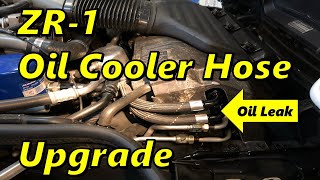
- Consider Upgraded Lines: Many owners replace the failure-prone factory hoses with aftermarket braided stainless steel lines (e.g., from Goodridge or Aeroquip) which use more reliable AN fittings. 🎬 Watch this step-by-step video on upgrading your LT5 oil cooler hoses. A used cooler that comes with a set of high-quality aftermarket lines is a significant bonus.
Warning: There are differences between the oil coolers used on 1990-1993 and 1994-1995 ZR-1 models. The later models use a different cooler designed to bolt to an A/C condenser for R134a refrigerant. Ensure you are purchasing the correct cooler for your model year.
Known Issues, Recalls, and TSBs
There are no specific recalls or Technical Service Bulletins (TSBs) from Chevrolet or the NHTSA related to the engine oil cooler on the 1994-1995 Corvette. However, the community of C4 ZR-1 owners widely acknowledges the original oil cooler lines as a common failure point. GM even released revised, smaller-diameter replacement hoses during the car's production run to address high warranty claims for leaks, though some experts believe these smaller lines could restrict oil flow under heavy use.
Cost of Replacement
Finding new parts is nearly impossible, so pricing reflects the market for used and aftermarket solutions. Labor costs can be significant due to the need to remove the front bumper or other components for access.
| Part/Service | Estimated Cost |
|---|---|
| New OEM Cooler/Lines (Discontinued) | N/A |
| New Aftermarket Hoses (Braided Stainless) | $300 - $450 |
| Used OEM Cooler | $150 - $400+ (depending on condition) |
| Shop Labor to Replace Cooler & Lines | $250 - $500+ |
Frequently Asked Questions (FAQ)

Can I install an oil cooler on my base LT1 Corvette?
While the factory ZR-1 system is not a direct bolt-on for an LT1, you can install a universal aftermarket air-to-oil cooler kit. Some earlier C4 models with the L98 engine had a coolant-to-oil cooler, but the LT1 did not have a factory option.
Is replacing the oil cooler a difficult DIY job?
Replacement is moderately difficult, estimated at a 3 out of 5. Accessing the cooler and its lines can be challenging and may require removing the front bumper cover and air dam. The hose fittings can also be very tight and require specific wrenches (like a 1-1/8" box wrench) and leverage to remove without stripping. You will also lose some engine oil during the process.
My oil cooler is leaking. Can I just bypass it?
While it is physically possible to bypass the cooler by looping the lines at the oil filter adapter, it is strongly discouraged. The LT5 engine was designed with the expectation of an oil cooler to manage temperatures during high-load operation. Bypassing it could lead to dangerously high oil temperatures, accelerated oil breakdown, and potential engine damage, especially in warm climates or during spirited driving.
What is the difference between the ZR-1 oil cooler and the power steering cooler?
On C4 Corvettes, there is another small cooler located in front of the radiator for the power steering fluid. It's important not to confuse the two. The engine oil cooler lines are much larger in diameter and connect to an adapter near the oil filter, while the power steering cooler lines route back to the power steering pump and rack.
Helpful Videos
Technical Specifications
OEM Part Numbers: 10219643 (Cooler for 94-95) 10219644 (Hose Assembly for 94-95) 14104653 (Cooler for 90-93) 14104996 (Original Hose Assembly for 90-93)
Air-to-oil heat exchanger mounted in front of the A/C condenser and radiator.

The information in this article is provided for general reference and educational purposes only. Vehicle specifications, procedures, and part compatibility can vary by production date, trim level, and region. Always consult your vehicle's factory service manual and verify part numbers before purchasing or performing repairs. Safety-critical components such as airbags, seat belts, and braking systems should be installed by a qualified professional.
- Chevrolet Corvette: