

2021-2024 Genesis GV80 2.5T Engine Mount Control Module: Diagnosing and Solving Vibration
This in-depth guide covers the function, failure symptoms, and replacement of the electronic module that controls the GV80's semi-active engine mounts.
- This module is ONLY for 2021-2024 Genesis GV80 models with the 2.5L Turbo engine.
- Its primary failure symptom is increased engine vibration felt in the cabin, especially at idle.
- A used module must have the exact part number: 95620-T6500.
- Be prepared for the likelihood that a replacement module will require programming by a dealer or specialist to work correctly with the vehicle.
Symptoms of a Failing Engine Mount Control Module
A problem with the Engine Mount Control Module can cause a noticeable decline in ride quality. Since the module's job is to cancel out engine vibrations, its failure often results in symptoms that are felt rather than heard.
- Increased Vibration at Idle: The most common symptom is a distinct vibration felt through the cabin, steering wheel, or seats when the vehicle is stopped and in gear. A technical service action in the Korean market specifically addressed engine vibration during a hot idle, which was resolved with a software update to the engine control system.
- Rough or Bumpy Sensation: The ride may feel less refined than usual, with more harshness transmitted from the engine into the passenger compartment during normal driving.
- Intermittent Issues: As an electronic module, failures can be intermittent. The vibration may come and go depending on engine temperature, electrical load, or other factors.
- Check Engine Light: While not always guaranteed, a failure in the module or the system it controls could trigger a Check Engine Light and store Diagnostic Trouble Codes (DTCs) in the vehicle's computer.
Important: The Genesis GV80 is known to have vibration issues that can stem from other sources. A class-action lawsuit was filed concerning vibrations related to the driveshaft, axle, and steering problems. Additionally, a Technical Service Bulletin (TSB) exists for a humming or whining noise from the rear differential. It is crucial to diagnose the source of the vibration correctly before replacing parts.
Diagnosing the Issue
Pinpointing a faulty Engine Mount Control Module can be tricky. A professional technician with a Genesis-specific diagnostic scan tool (GDS) is the best resource. They can check for communication with the module and look for any stored trouble codes related to the active mount system. Common diagnostic steps include:
- Scan for Codes: Check for any DTCs related to the engine mounts, chassis control, or communication bus (CAN) errors.
- Check Wiring and Connectors: Inspect the wiring harness going to the module and the mounts themselves for any signs of damage, corrosion, or loose connections. A TSB for a different module on the GV70 highlighted how water intrusion into connectors can cause electrical problems.
- Rule Out Other Causes: Because other issues can cause similar symptoms, it's important to inspect the tires, wheels, driveshaft, and rear differential to rule them out as the source of the vibration.
Buying a Used Engine Mount Control Module
Given the high cost of new electronic modules from the dealer, a used OEM module is a cost-effective solution. These modules are generally reliable, and buying a recycled part can offer significant savings.
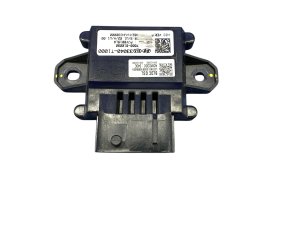
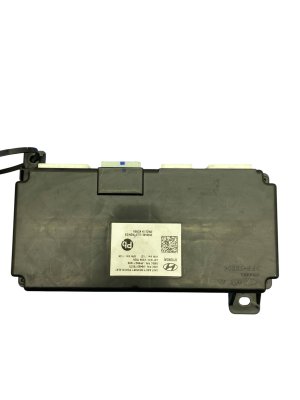
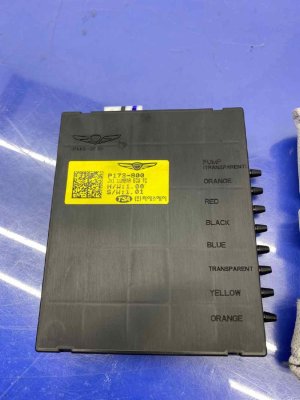
- Verify the Part Number: The most critical step is to match the part number exactly. For the 2021-2024 GV80 with the 2.5L engine, the correct part number is 95620-T6500 (or 95620T6500). This module is not compatible with the 3.5L V6 model.
- Physical Inspection: When you receive the used module, inspect it for any physical damage. Look for cracks in the casing, bent or corroded connector pins, and any signs of water intrusion.
- Source Vehicle Information: If possible, choose a part from a lower-mileage, accident-free donor vehicle. Reputable sellers often provide the VIN and mileage of the vehicle the part came from.
- Why Used OEM is a Good Choice: For a specific electronic module like this, there are often no new aftermarket alternatives. A used OEM part ensures perfect compatibility with the vehicle's systems, which is crucial for complex electronics.
Programming and Installation
Warning: It is not definitively confirmed whether a replacement Engine Mount Control Module requires programming. However, most modern vehicle control modules need to be programmed or coded to the specific vehicle's VIN and options to function correctly. Generic disclaimers on used parts listings also suggest reprogramming may be necessary. Plan for the possibility that a trip to a Genesis dealer or a specialized independent shop with OEM diagnostic tools will be required after installation to sync the module with your vehicle.
The physical location of this module is not clearly documented in public-facing repair guides. It is a small electronic box and is likely located in the engine bay or under the dashboard. Labor costs for a simple module swap are typically low if it's easily accessible.
Cost Comparison
The cost difference between new and used is substantial for this part.
| Part Type | Estimated Cost |
|---|---|
| New OEM Module | $500 - $900+ (estimate based on similar Genesis modules) |
| Used OEM Module | $65 - $100 |
| Shop Labor (Module Only) | $110 - $165 |
| Shop Labor (Full Mount Assembly) | $560 - $825+ |
Note: Labor costs are estimates and can vary by location and the module's accessibility. The higher labor cost reflects replacing the entire mechanical engine mount assembly, not just the control module.
Frequently Asked Questions (FAQ)
Do I have to get this module programmed at the dealer?
It is highly likely. While not explicitly confirmed in available documents, replacing a key control module on a modern vehicle like the GV80 usually requires a programming or calibration step to ensure it communicates correctly with the rest of the car's electronic systems. You should budget for a visit to a dealer or a qualified specialist shop.
Is this the same as the Active Noise Control module?
No. This Engine Mount Control Module controls the physical, semi-active engine mounts to reduce vibration. The Active Noise Control (RANC) system is a separate technology that uses the car's audio system speakers to generate sound waves that cancel out road noise. Both systems work together to create a quiet cabin.
Will a bad module cause my GV80 to be undrivable?
No, a failure of this module should not prevent you from driving the vehicle. However, you will likely experience a significant increase in engine vibration, making the driving experience less pleasant. It is not considered a critical safety failure that would leave you stranded.
Can I use a module from a GV80 with the 3.5L V6 engine?
No. The part number 95620-T6500 is specifically for the 2.5L turbocharged engine. The engine characteristics and mounting systems are different, and the module for the 3.5L V6 will not be compatible.
Technical Specifications
OEM Part Numbers: 95620-T6500 95620T6500
Controls the vehicle's semi-active engine mounts.
We Have This Part in Stock




The information in this article is provided for general reference and educational purposes only. Vehicle specifications, procedures, and part compatibility can vary by production date, trim level, and region. Always consult your vehicle's factory service manual and verify part numbers before purchasing or performing repairs. Safety-critical components such as airbags, seat belts, and braking systems should be installed by a qualified professional.
- Genesis GV80: