

2013-2015 Acura RDX Engine Mount Control Module: Solving Vibration Issues
This in-depth guide explains the function, failure symptoms, and replacement of the engine mount control module, a key part in managing V6 engine vibrations.
- The Engine Mount Control Module (38700-TX4-A01) is plug-and-play and does NOT require programming.
- Failure causes excessive vibration, especially at idle, because it can't control the active mounts that cancel VCM vibrations.
- Verify your part number. Part 38700-TX4-A01 is listed for AWD models, and compatibility is not guaranteed for FWD vehicles.
- A used OEM module is a very cost-effective solution, often costing less than $100 compared to over $350 for a new one.
Symptoms of a Failing Engine Mount Control Module
When the Engine Mount Control Module fails, its ability to manage the active mounts is compromised. This typically results in one primary, noticeable symptom:
- Excessive Vibration: You may feel a significant vibration through the steering wheel, seats, and floor, especially when the vehicle is idling at a stoplight or when the VCM system engages. This happens because the active mounts are no longer receiving the correct signals to cancel out the engine's natural vibrations.
- Check Engine Light: A failing module can trigger a Check Engine Light. Specific OBD-II codes related to engine mount solenoids may be stored in the vehicle's computer.
- Clunking Noises: While more commonly associated with the mounts themselves, a complete failure of the control system could contribute to clunking sounds when shifting gears or accelerating from a stop as the engine moves excessively.
Pro Tip: It can be difficult to distinguish between a failed module and failed engine mounts. Forum discussions indicate that vibration issues on the 2013-2015 RDX are common and often related to the VCM system's operation, with dealers sometimes replacing mounts when the issue might be more complex. Diagnosis may involve checking for specific fault codes related to the mount control solenoids.
Known Issues, TSBs, and Recalls
As of mid-2026, there are no specific recalls or widely published Technical Service Bulletins (TSBs) for the Engine Mount Control Module on the 2013-2015 Acura RDX. However, owners frequently discuss vibration issues in online forums, often linking them to the VCM system and the active engine mounts this module controls. While dealers have reportedly replaced mounts to address these complaints, the root cause can be elusive.
Programming and Installation: Is It Plug-and-Play?
Yes, this module is considered plug-and-play. Research indicates that for most Honda and Acura vehicles, replacement electronic modules come pre-programmed from the factory and do not require additional programming or flashing after installation. You should not need to visit a dealer for programming after swapping the module. This makes using a recycled OEM module a straightforward and cost-effective repair.
Warning: This does not apply to all modules in the vehicle. Security-related components like the immobilizer or key fobs do require special programming by a dealer or a qualified locksmith.
Buying a Used Engine Mount Control Module
A used OEM module is an excellent alternative to a costly new part. Since they are plug-and-play, installation is simple. Here’s what to look for:
- Verify the Part Number: The most critical step is to match the part number. The primary verified part number for the 2013-2015 Acura RDX is 38700-TX4-A01. Several OEM parts sites describe this part as being for "4WD" models, so it is crucial to verify the part number from your original module to ensure compatibility.
- Physical Inspection: When you receive the part, inspect the housing for any cracks or signs of damage. Check the electrical connector pins to ensure they are straight, clean, and free of corrosion.
- Source and Warranty: Purchase from a reputable seller that offers a warranty. This protects you in case the part is faulty. Even a simple electronic module can fail, and a warranty provides peace of mind.
Replacement Cost Comparison
The cost for the Engine Mount Control Module can vary significantly. Labor for replacement is minimal, as it's typically an easily accessible part that just needs to be unplugged and unbolted.
| Part Type | Estimated Cost |
|---|---|
| New OEM | $350 - $535 |
| New Aftermarket | Not commonly available |
| Used OEM | $30 - $100 |
| Shop Labor | $50 - $100 (estimated 0.5 hours) |
Frequently Asked Questions (FAQ)
Do I need to program a used Engine Mount Control Module?
No. Based on general Honda/Acura practice, this module should be plug-and-play and will not require any programming or dealer visit after installation.
Where is the Engine Mount Control Module located on a 2013-2015 RDX?
The module, described as a "Cabin compartment" part, is typically located inside the vehicle's cabin, often under the dashboard or in a center console area, away from the heat and vibration of the engine bay.
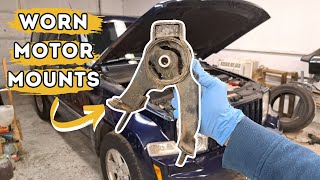
Is it more likely for the module or the mounts to fail? 🎬 Watch this quick guide to diagnose and locate a bad engine mount
It is generally more common for the physical engine mounts to wear out and fail before the electronic control module does. The mounts contain hydraulic fluid and rubber components that degrade over time. However, if the mounts have been replaced and vibration issues persist, the module becomes a more likely suspect.
What is the difference between the FWD and AWD module?
Multiple parts sources specify that part number 38700-TX4-A01 is for 4WD (AWD) models. While a different part number for FWD models was not definitively found in research, it is crucial to assume they are not interchangeable. Always match the part number from your vehicle's original module before ordering a replacement.
Helpful Videos
Technical Specifications
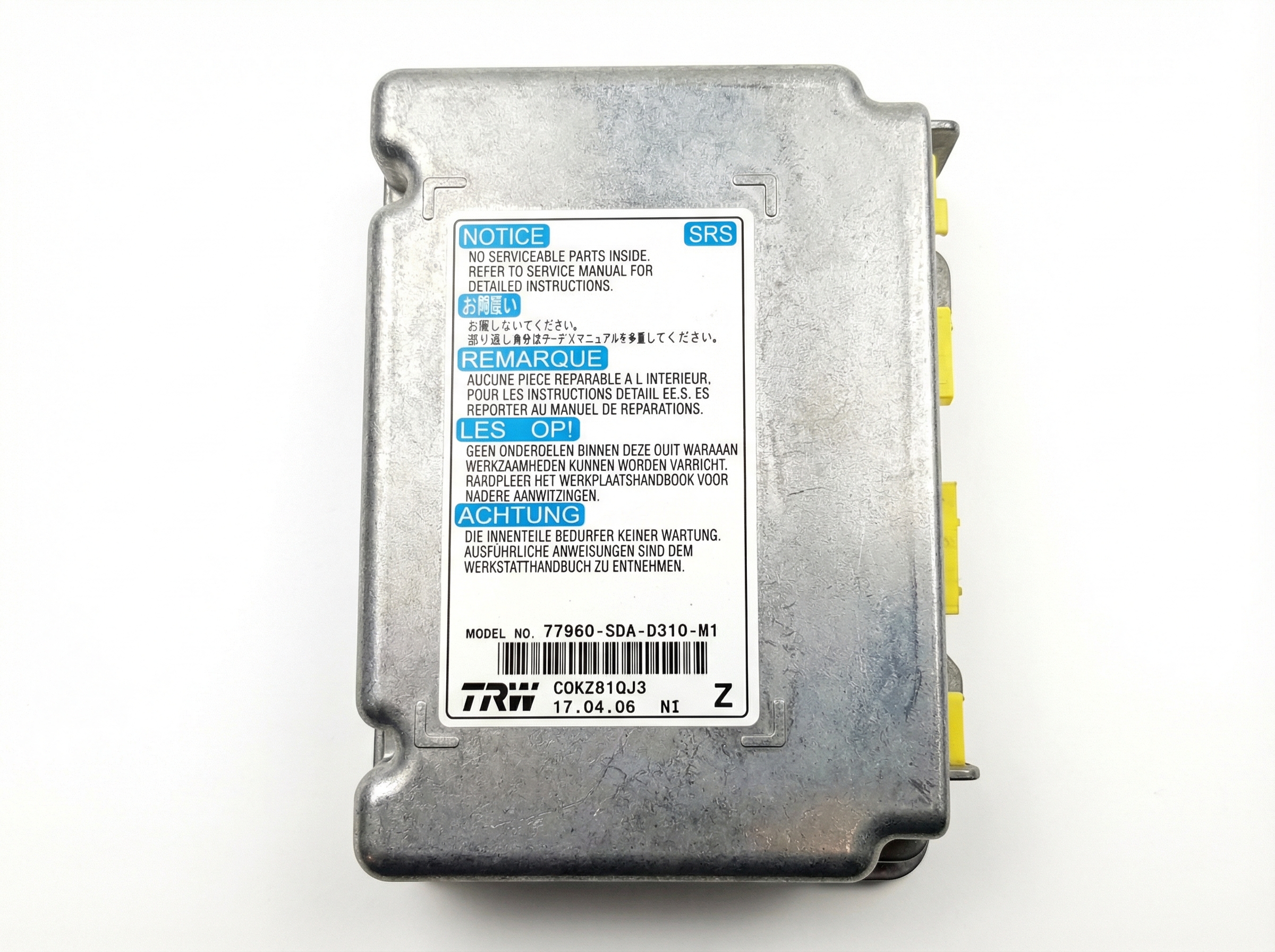
OEM Part Numbers: 38700-TX4-A01 38700TX4A01
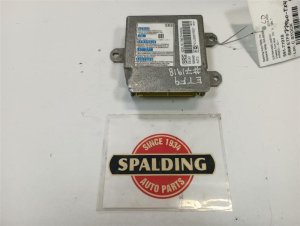
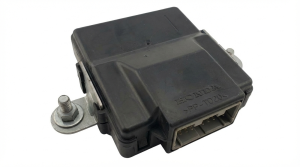
Controls active engine mounts to counteract VCM vibrations. Listed for All-Wheel Drive (AWD) models.
We Have This Part in Stock



The information in this article is provided for general reference and educational purposes only. Vehicle specifications, procedures, and part compatibility can vary by production date, trim level, and region. Always consult your vehicle's factory service manual and verify part numbers before purchasing or performing repairs. Safety-critical components such as airbags, seat belts, and braking systems should be installed by a qualified professional.
- Acura RDX: