

2023-2025 BMW i7 Front Structural Reinforcement Plate: Damage, Inspection & Replacement
This is not an engine part, but a critical front-end structural plate on the all-electric i7 that is often damaged in collisions and can cause alignment issues.
- This part is a structural reinforcement plate for the front chassis, NOT an engine component.
- Failure is caused by physical impact (collisions, potholes) and can lead to unsafe driving conditions.
- When buying a used plate, it is critical to inspect for any cracks, warping, or bending.
- A four-wheel alignment is required immediately after replacing this part to prevent handling issues and tire damage.
Identifying the i7's Front Structural Plate
The 2023-2025 BMW i7 is a fully electric vehicle and does not have a traditional internal combustion engine. However, some internal parts catalogs or salvage databases may confusingly label structural components located in the front of the vehicle with engine-related terms. The part number 31-10-8-849-641 (also written as 31108849641) corresponds to a large, aluminum structural reinforcement plate, sometimes called a stiffening plate or Schubfeld panel. This component is essential for the vehicle's chassis integrity and front suspension alignment.
Symptoms of a Damaged Front Structural Plate
Failure of this part is almost always caused by physical impact, not by a manufacturing defect. Since it is a rigid structural component, symptoms of damage are mechanical and audible.
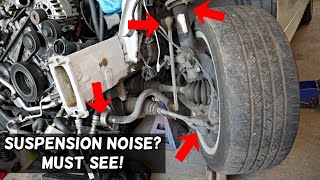
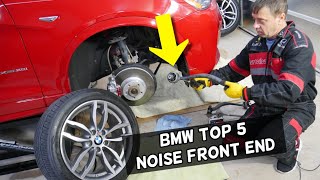
- Persistent Front-End Noise: A damaged or loosened plate can cause clunking, creaking, or rattling noises from the front of the vehicle. These sounds are often most noticeable when driving over bumps, turning, or during braking 🎬 Watch: How to diagnose front-end suspension clunks as the chassis flexes.
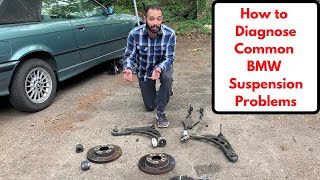
- Steering and Alignment Problems: A bent or compromised plate can alter the geometry of the front suspension. 🎬 See: How to diagnose common BMW suspension problems This may lead to the vehicle pulling to one side, a crooked steering wheel, or the inability for an alignment shop to bring the vehicle into proper specification.
- Uneven Tire Wear: As a direct result of poor alignment, you may notice accelerated wear on the inside or outside edges of the front tires.
- Visible Damage: The most obvious sign is visible damage to the plate itself. This can include cracks, deep gouges, bending, or deformation. This is often discovered after hitting a large pothole, curb, or in the aftermath of a minor front-end collision.
Warning: Do not operate the vehicle if you suspect this structural plate is significantly damaged. A compromised chassis component can affect vehicle handling and crash safety.
Known Issues, TSBs, and Recalls
As of mid-2026, there are no specific recalls or Technical Service Bulletins (TSBs) from BMW or the National Highway Traffic Safety Administration (NHTSA) directly concerning the front structural reinforcement plate itself. Most recalls for the 2023-2025 BMW i7 pertain to the integrated braking system, software for the electric motors, and airbag control units.
Buying a Used Structural Reinforcement Plate
A used OEM plate from a low-mileage vehicle can be an excellent value, providing the exact fitment and material properties as a new part. Aftermarket structural components are generally not recommended, as differences in material or dimensions can compromise safety and fit.
Inspection Checklist for a Used Part:
- Check for Cracks: Carefully inspect the entire surface, especially around the bolt holes and corners, for any hairline cracks. Anodized aluminum can hide cracks well, so use a bright light and run your fingernail over suspicious areas.
- Verify Flatness: Lay the plate on a known flat surface. It should sit perfectly flush with no rocking or gaps. Any warping or bending means the part has been compromised in an impact and should be rejected.
- Inspect Bolt Holes: Ensure all bolt holes are round and not elongated or deformed. Damaged bolt holes indicate the plate shifted violently during an impact.
- Look for Corrosion: Check for any heavy corrosion or pitting, especially if the part came from a vehicle in a region where roads are salted in the winter. Minor surface blemishes are okay, but deep corrosion weakens the metal.
- Confirm Part Number: Always match the OEM part number. For the 2023-2025 i7, the correct number is 31-10-8-849-641.
Pro Tip: When replacing the plate, it is highly recommended to use new OEM torque-to-yield bolts. These bolts are designed to stretch upon installation and are not meant to be reused. Reusing old bolts can lead to improper clamping force and potential failure.
Cost Comparison
Prices can vary based on supplier and condition. The following are estimates as of late 2025.
| Part Type | Estimated Cost |
|---|---|
| New OEM | $450 - $600 |
| New Aftermarket | Not commonly available |
| Used OEM | $200 - $350 |
| Shop Labor | $250 - $400 |
Replacement Information
Replacing the front structural plate is a moderately difficult job that requires lifting the front of the vehicle and properly supporting it on jack stands. A wheel alignment is mandatory immediately following the replacement to ensure proper handling and prevent tire wear.
- Difficulty Rating: 3 out of 5
- Estimated Time: 1.5 - 2.5 hours
- DIY Feasible: For experienced mechanics with the proper tools and safety equipment.
Frequently Asked Questions (FAQ)
Is this part an engine mount or skid plate?
No. While it is located under the front of the car, its primary purpose is structural reinforcement, not to protect from scrapes or to mount an engine. It is a key part of the chassis that ties suspension mounting points together.
Can I drive with a cracked or bent reinforcement plate?
It is strongly advised not to. A damaged plate can compromise the structural integrity of the vehicle, negatively affect steering and suspension alignment, and may behave unpredictably in a subsequent collision.
Does this part fit the gasoline-powered BMW 7-Series (G70)? 🎬 Watch: Inside the BMW i7 and 7-Series assembly plant
Fitment may vary between the all-electric i7 and the internal combustion engine 7-Series models due to differences in the front subframe and powertrain components. Always verify the part number against the vehicle's VIN before purchasing.
Is a wheel alignment necessary after replacement?
Yes, absolutely. This plate is a critical piece of the front suspension geometry. Replacing it will almost certainly alter the alignment. Failure to perform an alignment will result in poor handling and rapid, uneven tire wear.
Helpful Videos


Technical Specifications
OEM Part Numbers: 31-10-8-849-641 31108849641 8849641
Material: Aluminum
We Have This Part in Stock


The information in this article is provided for general reference and educational purposes only. Vehicle specifications, procedures, and part compatibility can vary by production date, trim level, and region. Always consult your vehicle's factory service manual and verify part numbers before purchasing or performing repairs. Safety-critical components such as airbags, seat belts, and braking systems should be installed by a qualified professional.
- BMW i7:
- 🎬 Helpful Videos
- 🛍️ Shop This Part
- Identifying the i7's Front Structural Plate
- Symptoms of a Damaged Front Structural Plate
- Known Issues, TSBs, and Recalls
- Buying a Used Structural Reinforcement Plate
- Inspection Checklist for a Used Part:
- Cost Comparison
- Replacement Information
- Frequently Asked Questions (FAQ)
- 🎟️ Get 5% Off