

Saab 9-3 & 9-5 Intake Manifold Guide (2001-2010): Solving Vacuum Leaks & Rough Idles
Your definitive guide to diagnosing, replacing, and buying a used intake manifold for the 4-cylinder 2001-2003 Saab 9-3 and 2001-2010 Saab 9-5.
- Most symptoms like rough idle and lean codes (P0171) are caused by cracked vacuum hoses or a failed PCV system, not the manifold itself.
- For the 2003 Saab 9-3, this part ONLY fits the older-style Convertible and Hatchback, not the 4-door Sedan.
- When replacing the manifold, it is critical to also replace the gasket, all vacuum lines, and service the PCV system.
- When buying a used manifold, the most important check is for hairline cracks around the small vacuum hose nipples.
Symptoms of a Failing Intake Manifold

On the 2001-2003 Saab 9-3 and 2001-2010 Saab 9-5, a problem with the intake manifold almost always presents as a vacuum leak. This means unmetered air is entering the engine, bypassing the mass airflow sensor. The engine's computer (ECU) doesn't know about this extra air, leading to a lean air-fuel mixture (too much air, not enough fuel). The symptoms are often most noticeable at idle.
- Rough or Unstable Idle: The engine may hunt for a steady RPM, vibrate excessively, or even stall when you come to a stop.
- Hissing or Whistling Sound: A distinct hissing noise from the engine bay at idle is a classic sign of a vacuum leak. As air is sucked through a crack or bad gasket, it creates this sound.
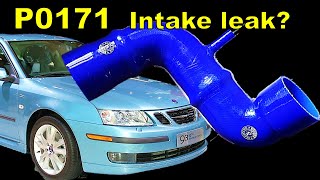
- Check Engine Light: A vacuum leak will almost certainly trigger a Check Engine Light. The most common trouble code is P0171 - System Too Lean. 🎬 Watch: How to find and fix a common P0171 intake leak
- Poor Acceleration & Hesitation: The car may feel sluggish or stumble when you press the gas pedal because the incorrect air-fuel ratio robs the engine of power.
- Reduced Fuel Economy: The engine's computer tries to compensate for the lean condition by adding more fuel, causing you to use more gas than usual.
Pro Tip: Before condemning the intake manifold itself, thoroughly inspect all connected vacuum hoses. The small rubber and plastic lines on these Saabs become brittle with age and heat and are a very common source of vacuum leaks. Often, a $5 hose is the real problem, not the manifold.
Known Issues for Saab 9-3 & 9-5 (4-Cylinder)

While the intake manifold itself is a fairly robust plastic part, the components around it are frequent failure points that can mimic a bad manifold.
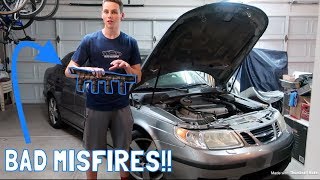
- PCV System Hoses: The Positive Crankcase Ventilation (PCV) system on the B205 and B235 engines is complex. 🎬 See this video on common B235 engine issues The hoses and check valves can degrade, causing oil consumption, sludge, and significant vacuum leaks. Many owners mistake a PCV system failure for a bad intake manifold.
- Intake Manifold Gasket: The gasket that seals the manifold to the cylinder head can become hard and brittle over time, leading to leaks. This is a more likely failure point than the manifold itself cracking.
- Brake Booster Vacuum Nipple: A small plastic nipple (Part No. 55557389) connects the brake booster vacuum line to the manifold. This part can crack or its seal can fail, creating a large vacuum leak.
There are no major recalls or Technical Service Bulletins (TSBs) from the NHTSA specifically for the intake manifold on these models. Most recalls for this era relate to the fuel pump, ignition module, or airbags.
Buying a Used Intake Manifold: What to Check

A used OEM intake manifold is often a great value compared to a new part, but a careful inspection is essential. Since age and heat are the main enemies, you need to check for brittleness and cracks.
- Inspect All Vacuum Nipples: Carefully check every small port where a vacuum hose connects. Look for hairline cracks around the base of each nipple. This is the most common failure point on the manifold itself.
- Check Mounting Holes: Ensure none of the bolt holes are cracked or stripped. Look for any signs of over-tightening or damage.
- Look for Warping: Place the manifold on a flat surface. The gasket surface that mates with the cylinder head should be perfectly flat. Any significant warping will cause a vacuum leak that a new gasket can't fix.
- Verify Part Numbers: Match the part number on the used manifold to your original part or the known OEM numbers (30586694, 30592653, 55557389, 5958855, 9399528) to ensure compatibility.
Warning: Avoid manifolds that look chalky or excessively faded. This can be a sign the plastic has become extremely brittle from heat and is prone to cracking during installation or shortly after.
Cost of Replacement
Replacing the intake manifold is a moderately difficult job. While the parts themselves aren't excessively expensive, labor can be significant. The cost of replacing just the gasket is lower, but involves the same amount of labor.
| Part/Service | Estimated Cost |
|---|---|
| New OEM Manifold | $400 - $600+ (if available) |
| New Aftermarket Manifold | $200 - $350 |
| Used OEM Manifold | $50 - $150 |
| Intake Manifold Gasket Set | $20 - $50 |
| Shop Labor | $470 - $700 |
Replacement Guide & Difficulty
- Difficulty Rating: 3.5 out of 5
- Estimated Time: 3-5 hours
- DIY Feasible: Yes, for experienced DIY mechanics.
The replacement process involves removing the fuel rail, injectors, throttle body, and numerous vacuum lines and electrical connectors. The most difficult part is accessing the support bracket bolt underneath the manifold. It is absolutely critical to label every hose and connector as you remove them to ensure correct reassembly. Because the labor is intensive, it is highly recommended to perform several related services at the same time.
Pro Tip: "While You're In There..."
Always replace the intake manifold gasket when the manifold is removed. This is also the perfect time to replace all the vacuum lines, the PCV system hoses and check valves, and the throttle body O-ring. Cleaning the throttle body and intake ports on the cylinder head is also a smart move.
Vehicle & Part Compatibility

Pay close attention to these specific fitment exceptions, as they can easily lead to ordering the wrong part.
Compatibility Warnings:
- Engines: This manifold fits 4-cylinder turbocharged (B205, B235) engines ONLY. It does not fit V6 models.
- 2003 Saab 9-3: This part fits the first-generation ('OG') Convertible and 5-door Hatchback models only. It does NOT fit the all-new 2003 4-door Sedan ('NG' 9-3), which uses a completely different engine.
- 2010 Saab 9-5: This part fits the first-generation 9-5 models with the 4th VIN digit 'E' only. It does not fit the second-generation 9-5, which was also sold in 2010.
Frequently Asked Questions (FAQ)
Can I test for a vacuum leak at home?
Yes. A common DIY method is to spray short bursts of carburetor cleaner or a propane torch (unlit) around the gasket edges and vacuum hose connections while the engine is idling. If the engine RPM changes or stumbles when you spray a certain area, you've found your leak. Be extremely careful as these substances are flammable.
Is it the intake manifold or just the gasket?
In most cases, the gasket fails before the manifold itself. The plastic manifold can crack, but it's less common than the rubber gasket becoming hard and brittle. Unless you can see a physical crack on the manifold, it's often worth trying to replace just the gasket and all associated vacuum lines first.
What is the little plastic part on the manifold that always breaks?
That is likely the brake booster vacuum nipple, Saab part number 55557389. It's a common failure point and can be purchased separately for around $40-$65. Always inspect it for cracks when diagnosing a vacuum leak.
Will a bad intake manifold cause the car to overheat?
No, not typically on these Saab models. The intake manifold on the 4-cylinder engines only carries air. On some other engines (like the V6), coolant flows through the manifold, and a gasket leak can cause overheating or coolant/oil mixing. For the 2001-2003 Saab 9-3 and 2001-2010 Saab 9-5 4-cylinder, a manifold leak will cause performance issues, not overheating.
Helpful Videos
Technical Specifications
OEM Part Numbers: 30586694 30592653 55557389 5958855 9399528
Material: Plastic Composite. Fits B205 and B235 4-cylinder turbo engines.
We Have This Part in Stock



The information in this article is provided for general reference and educational purposes only. Vehicle specifications, procedures, and part compatibility can vary by production date, trim level, and region. Always consult your vehicle's factory service manual and verify part numbers before purchasing or performing repairs. Safety-critical components such as airbags, seat belts, and braking systems should be installed by a qualified professional.
- Saab 9-3:
- Saab 9-5: