

2006-2012 Mitsubishi Eclipse 2.4L Intake Manifold: Diagnosing Leaks, Lean Codes, and Rough Idles
This guide covers the common failure points of the plastic intake manifold on the 2.4L Eclipse, focusing on vacuum leaks that cause performance issues.
- This manifold is ONLY for the 2006-2012 Eclipse with the 2.4L 4-cylinder engine; it does not fit the V6.
- The most common failure is a vacuum leak from a cracked plastic body or a failed gasket, leading to a P0171 lean code, rough idle, and hissing noises.
- When buying a used manifold, inspect it meticulously for hairline cracks and warping before purchase.
- Always use a new set of intake gaskets during installation, as the old ones cannot be reused.
Symptoms of a Failing Intake Manifold
When the intake manifold or its gasket fails on a 2.4L Eclipse, it almost always creates a vacuum leak. This means unmetered air is being sucked into the engine, throwing off the precise air-to-fuel ratio. The symptoms are often consistent and noticeable.
- Check Engine Light: The most common sign is a Check Engine Light with lean condition codes, particularly P0171 (System Too Lean Bank 1). 🎬 Watch: How to diagnose a Mitsubishi P0171 lean code This code means the engine's oxygen sensor is detecting too much oxygen in the exhaust, and the engine computer is trying to compensate by adding more fuel, but has reached its limit.
- Rough or High Idle: A vacuum leak allows extra air in, which can cause the engine's idle speed to be higher than normal or fluctuate unpredictably. You might notice the car vibrating more than usual at a stoplight.
- Hissing or Sucking Noises: A distinct hissing or whistling sound from the engine bay, especially when the engine is running, is a classic sign of a vacuum leak. The sound is air being sucked through a crack in the manifold or a bad gasket.
- Poor Acceleration and Power Loss: With the air-fuel mixture incorrect, the engine can't produce optimal power. This often feels like hesitation or stumbling when you press the gas pedal.
- Reduced Fuel Economy: When the engine computer tries to correct a lean condition by injecting more fuel, your gas mileage will suffer.
Known Issues and Diagnosis for the 2006-2012 Eclipse
For the fourth-generation Eclipse with the 2.4L 4G69 engine, the primary intake manifold issues are physical failures of the plastic body or the sealing gaskets. There are no significant recalls or Technical Service Bulletins (TSBs) from Mitsubishi specifically for the intake manifold on these models. The problems are typically related to age and heat cycles.
Common Failure Points:
- Cracked Plastic Manifold: Over time, the constant heating and cooling of the engine can cause the plastic manifold to become brittle and develop hairline cracks. These cracks are most common near the seams or around the bolt holes where stress is concentrated.
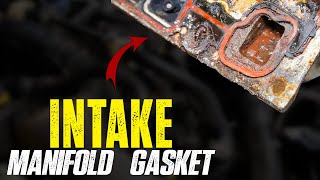
- Failed Intake Gasket: The gasket that seals the manifold to the cylinder head can compress, harden, and fail over time, creating a path for air to leak in. 🎬 See: Common symptoms of a bad intake manifold gasket This is a very common source of vacuum leaks.
How to Diagnose a Leak
You can confirm a vacuum leak with a couple of simple diagnostic methods:
- Spray Test: With the engine idling, carefully spray short bursts of carburetor cleaner or brake cleaner around the intake manifold gasket area and along any seams on the manifold itself. If the engine idle suddenly changes (speeds up or stumbles), you've found the location of the leak as the fluid is temporarily sucked in and burned.
- Smoke Test: The most definitive method is a smoke test. A mechanic can pump low-pressure smoke into the intake system. Smoke will visibly escape from any cracks or gasket leaks, pinpointing the exact source of the problem. 🎬 Watch: Step-by-step P0171 diagnostic and repair guide
Warning: Be extremely cautious when spraying flammable liquids like carb cleaner in a running engine bay. Keep a fire extinguisher nearby and avoid spraying near hot exhaust components or ignition sources.
Buying a Used 2006-2012 Eclipse Intake Manifold
A used OEM intake manifold can be a cost-effective and reliable replacement, as long as you inspect it carefully. An original Mitsubishi part often has better fit and material quality than a cheap aftermarket alternative.
What to Check Before You Buy:
- Thorough Visual Inspection: Carefully examine the entire manifold under bright light. Look for any hairline cracks, especially around the mounting flanges and where the runners join the main plenum.
- Check for Warping: Place the manifold's cylinder head mounting surface on a known flat surface. It should sit perfectly flat with no rocking. A warped manifold will never seal properly, even with a new gasket.
- Inspect Threaded Inserts: Make sure all metal threaded inserts for mounting the throttle body, sensors, and brackets are secure and not stripped or pulling out of the plastic.
- Confirm Compatibility: This manifold only fits the 2.4L 4-cylinder non-turbo engine (engine code 4G69). It will not fit the 3.8L V6 model, which uses a completely different manifold. The OEM part numbers are 1502A005 and 1540A038.
Pro Tip: Always install a used intake manifold with a new gasket set. The old gaskets are crush-style and not designed for reuse. A new Fel-Pro gasket set (part number MS96424) is readily available and inexpensive.
Cost Comparison
| Part/Service | Estimated Cost |
|---|---|
| New OEM Manifold | $350 - $450 |
| New Aftermarket Manifold | $150 - $250 |
| Used OEM Manifold | $50 - $125 |
| Shop Labor (Manifold Replacement) | $317 - $500 |
| Intake Manifold Gasket Set | $20 - $40 |
Frequently Asked Questions (FAQ)
Can I repair a cracked plastic intake manifold?
While some high-temperature epoxies exist, a repair is generally not a reliable long-term solution. The constant heat cycles and pressure changes in the manifold will likely cause the repair to fail. Replacement is the recommended and most durable fix.
Do I need to replace any sensors with the manifold?
Typically, no. The original sensors, such as the MAP sensor (if equipped), can be carefully transferred to the replacement manifold. However, it's a good time to inspect them for damage and clean them before reinstallation.
Is replacing the intake manifold a difficult DIY job?
For a moderately experienced DIY mechanic, this is a manageable job. Access on the 2.4L engine is relatively good. It involves removing the throttle body, fuel rail and injectors, and various vacuum lines and electrical connectors. The difficulty is around a 3 out of 5. Expect it to take 2-4 hours.
Will a bad intake manifold cause an emissions test failure?
Yes, almost certainly. A vacuum leak that triggers a P0171 lean code will cause an automatic failure of an OBD-II emissions test.
Helpful Videos



Technical Specifications
OEM Part Numbers: 1502A005 1540A038
Material: Plastic Composite Engine Application: 2.4L 4G69 MIVEC (non-turbo)
We Have This Part in Stock


The information in this article is provided for general reference and educational purposes only. Vehicle specifications, procedures, and part compatibility can vary by production date, trim level, and region. Always consult your vehicle's factory service manual and verify part numbers before purchasing or performing repairs. Safety-critical components such as airbags, seat belts, and braking systems should be installed by a qualified professional.
- Mitsubishi Eclipse:
- 🎬 Helpful Videos
- 🛍️ Shop This Part
- Symptoms of a Failing Intake Manifold
- Known Issues and Diagnosis for the 2006-2012 Eclipse
- Common Failure Points:
- How to Diagnose a Leak
- Buying a Used 2006-2012 Eclipse Intake Manifold
- What to Check Before You Buy:
- Cost Comparison
- Frequently Asked Questions (FAQ)
- 🎟️ Get 5% Off