

2004-2011 Mazda RX-8 Intake Manifold: A Guide to Stuck SSV, APV & VDI Valves
A deep dive into the common failures of the RX-8's complex 6-port intake system, why it loses power, and how to choose a good used replacement.
- The most common failure is not the manifold itself, but the internal SSV, APV, and VDI valves sticking from carbon buildup, causing severe high-RPM power loss.
- This part fits 6-port engines ONLY (all Manuals, 2006-11 Automatics). It will NOT fit 2004-2005 Automatics, which use a simpler 4-port engine.
- When buying used, you MUST check that the external SSV actuator arm moves freely. If it is seized, the manifold is bad.
- Replacement of the lower intake manifold is a major job that typically requires engine removal, making it extremely expensive in labor and not feasible for most DIY mechanics.
Understanding the RX-8's 6-Port Intake System

The intake manifold on the 2004-2011 Mazda RX-8 with a 6-port engine is a sophisticated piece of engineering critical to the car's performance. Unlike a simple manifold, it uses a series of valves that open at specific RPMs to change the length and volume of the intake runners. This provides good low-end torque and a powerful top-end rush. The main components are housed in the lower intake manifold, which sits directly on the engine block.
- Secondary Shutter Valve (SSV): This valve opens up the secondary intake ports at around 3,750 RPM. It is controlled by a vacuum actuator and a solenoid. When closed at low RPM, it increases air velocity for better torque. When it fails to open, power feels flat just as the engine should be coming alive.
- Auxiliary Port Valves (APV): These control the 5th and 6th ports, which give the engine its name. Driven by an electric motor, they open around 6,300 RPM to provide a final boost in airflow for maximum horsepower.
- Variable Dynamic Intake (VDI) Valve: This valve, also vacuum-actuated, opens at the highest RPMs (around 7,250 RPM). It connects the intake paths of both rotors, using pressure waves from one rotor to help "supercharge" the other, maximizing high-RPM breathing.
Compatibility Warning: This guide and part number apply to 6-port engines only. These were used in all manual transmission RX-8s (2004-2011) and automatic models from 2006-2011. The 2004-2005 automatic models used a different, simpler 4-port engine and an incompatible intake manifold.
Symptoms of a Failing Intake Manifold

Failures are almost always related to one of the internal valves getting stuck from carbon buildup, a common issue with rotary engines. The symptoms vary depending on which valve is stuck and whether it's stuck open or closed.
1. Severe Loss of Power at High RPM
This is the most common symptom. The car will feel sluggish and unwilling to rev, almost like hitting a wall. The specific RPM where the power drops off points to the faulty valve.
- Power loss above ~4,000 RPM: Often indicates a stuck SSV. The engine feels like it can't get into its powerband.
- Power loss above ~6,500 RPM: Points to a stuck APV or VDI. The car will rev but feel completely out of breath, struggling to reach the redline.
2. Check Engine Light (CEL)
The ECU monitors the position of these valves. If a valve doesn't open or close when commanded, it will trigger a Check Engine Light. Common codes include:
- P2070: Intake Manifold Tuning (IMT) Valve Stuck Open (often refers to the SSV).
- P2004: Intake Manifold Runner Control (IMRC) Stuck Open (often refers to the APV).
- P0661: Intake Manifold Tuning Valve Control Circuit Low (can indicate a problem with the SSV solenoid).
3. Rough Idle or Stalling
If a valve is stuck open, particularly the SSV, it can cause a poor or pulsating idle because the intake tract is too large for low-speed operation. In some cases, this can lead to the engine stalling when coming to a stop.
Known Issues, TSBs, and Recalls

There are no official recalls or Technical Service Bulletins (TSBs) from Mazda for a failing intake manifold itself. The core issue, carbon buildup, is a well-known characteristic of the Renesis rotary engine. This buildup is a mixture of oil and combustion byproducts that gets baked onto the intake runners and valves, causing them to seize. While regular high-RPM driving can help slow the process, it often doesn't prevent it entirely.
Buyer's Guide: Inspecting a Used RX-8 Intake Manifold

Given the high cost of a new manifold and the extreme labor involved in replacement, buying a used OEM part is a popular choice. However, you must inspect it carefully to avoid buying a part with the same problems you're trying to fix.
1. Verify 6-Port Compatibility
First, ensure you are buying a 6-port manifold. Look at the upper intake manifold runners; a 6-port will have two large primary runners and two smaller runners branching off to the sides. A 4-port manifold will only have the two large runners. Remember, if your car is a 2004-2005 automatic, you need a 4-port manifold, not this one.
2. Physical Inspection Checklist
- Check the SSV Actuator: This is the most important check. On the side of the lower manifold, you will see a black, round vacuum actuator with a metal arm connected to the manifold. Push this arm with your finger. It should move smoothly with some spring resistance and return to its original position. If it's completely solid and won't budge, the SSV is seized, and you should not buy the manifold.
- Inspect for Carbon: Look inside the intake ports. While some black coating is normal, be wary of thick, chunky, or gooey carbon deposits. This indicates a high-mileage or poorly maintained engine and suggests the internal valves are likely gummed up.
- Check the APV Motor and Gear: The APV is operated by a small electric motor on the lower manifold. While you can't easily test the motor, you can inspect the plastic gear on the valve assembly itself (if the motor is removed). Check for stripped or broken plastic teeth, which happens when the motor tries to move a stuck valve.
- Look for Cracks: Carefully inspect the aluminum casting of the lower manifold and the plastic upper manifold for any cracks or damage, especially around mounting points.
Pro Tip: Many sellers on platforms like eBay will not have tested the valves. Ask the seller if they can confirm the SSV actuator arm moves freely. A seller willing to check this for you is more likely to be providing a quality part.
Replacement Overview
Replacing the lower intake manifold on an RX-8 is a very difficult and labor-intensive job. While the upper plastic manifold is relatively easy to remove for access to the spark plugs or solenoids, the lower manifold is buried deep in the engine bay.
- Difficulty: 5 out of 5
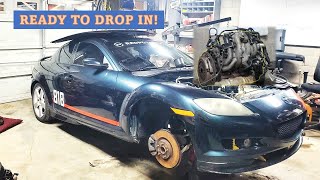
- Special Note: Most mechanics and forum users state that the engine must be at least partially, if not fully, removed from the vehicle to gain the necessary clearance to remove the lower intake manifold. This is not a typical driveway DIY job and requires significant expertise and equipment.
Cost Comparison
The cost difference between new and used is substantial, especially when factoring in the high labor cost.
| Part Type | Estimated Cost |
|---|---|
| New OEM | $1,500 - $1,800 |
| New Aftermarket | Not commonly available for direct replacement. Performance versions exist for $500+. |
| Used OEM | $75 - $250 |
| Shop Labor | $1,200 - $2,000+ (due to engine removal) |
Frequently Asked Questions (FAQ)
Can I just clean my existing intake manifold instead of replacing it?
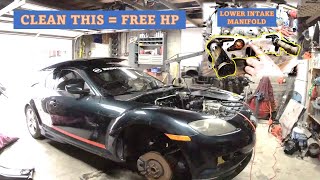
Yes, and this is often the preferred method if you are performing the labor yourself. The main challenge is that the manifold must be removed from the car for a thorough cleaning. Once removed, you can use brake cleaner or other carbon-dissolving chemicals to clean the valves and runners, manually working them until they move freely.
What's the difference between the 4-port and 6-port intake manifolds?
The 6-port manifold is much more complex, containing the APV and VDI valve systems to allow more air in at high RPM. The 4-port manifold, from 2004-2005 automatic cars, has a simpler design with fewer internal parts because the 4-port engine has a lower redline and different performance characteristics. The two are not interchangeable.
My car has a P0661 code. Do I need a new manifold?
Not necessarily. A P0661 code points to a fault in the control solenoid circuit for one of the valves (usually the SSV), not the valve itself being stuck. The solenoids are small, inexpensive parts located together near the intake manifold. It is much more likely that one of these solenoids has failed, which is a far easier and cheaper repair than replacing the entire manifold.
🎬 Watch this step-by-step video on replacing a faulty SSV solenoid.Will driving with a stuck intake valve damage my engine?
Generally, no. Driving with a stuck valve will not cause immediate catastrophic damage. However, it will result in very poor performance, bad fuel economy, and can potentially contribute to increased carbon buildup over time. It also prevents you from enjoying the car as it was designed.
Helpful Videos
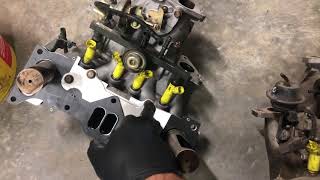
Technical Specifications
OEM Part Numbers: N3H6-13-23XA N3H61323XA
Fits 6-port Renesis engines. Contains three-stage variable intake system (SSV, APV, VDI).
We Have This Part in Stock



The information in this article is provided for general reference and educational purposes only. Vehicle specifications, procedures, and part compatibility can vary by production date, trim level, and region. Always consult your vehicle's factory service manual and verify part numbers before purchasing or performing repairs. Safety-critical components such as airbags, seat belts, and braking systems should be installed by a qualified professional.
- Mazda RX-8:
- 🎬 Helpful Videos
- 🛍️ Shop This Part
- Understanding the RX-8's 6-Port Intake System
- Symptoms of a Failing Intake Manifold
- 1. Severe Loss of Power at High RPM
- 2. Check Engine Light (CEL)
- 3. Rough Idle or Stalling
- Known Issues, TSBs, and Recalls
- Buyer's Guide: Inspecting a Used RX-8 Intake Manifold
- 1. Verify 6-Port Compatibility
- 2. Physical Inspection Checklist
- Replacement Overview
- Cost Comparison
- Frequently Asked Questions (FAQ)
- 🎟️ Get 5% Off