

2009-2012 Hyundai Genesis Coupe 3.8L Intake Manifold: Leaks, Codes, and the MPI vs. GDI Trap
This guide covers diagnosing and replacing the upper intake manifold on the 2009-2012 Genesis Coupe 3.8L, highlighting the critical differences from later models.
- This manifold is ONLY for the 2009-2012 3.8L MPI engine, it will NOT fit the 2013+ 3.8L GDI engine.
- Failure is almost always a crack or bad gasket causing a vacuum leak, leading to a rough idle and lean codes (P0171, P0174).
- A used OEM manifold is a great value, as new OEM parts are very expensive and aftermarket versions are not readily available.
- Always install new gaskets with the replacement manifold to prevent leaks.
Symptoms of a Failing Intake Manifold
Failure of the intake manifold on the 3.8L Genesis Coupe typically involves a crack in the plastic body or a failed gasket, leading to a vacuum leak. Here are the most common signs:
- Rough or Unstable Idle: A vacuum leak allows unmetered air into the engine, disrupting the air-fuel ratio and causing the engine RPM to fluctuate or stumble at idle.
- Hissing or Whistling Noises: A distinct hissing sound from the engine bay at idle is a classic sign of a vacuum leak as air is sucked through a crack or bad gasket.
- Check Engine Light with Lean Codes: The most common trouble codes associated with this issue are P0171 (System Too Lean Bank 1) and P0174 (System Too Lean Bank 2). This means the oxygen sensors are detecting too much air in the exhaust, and the engine computer is trying to compensate by adding more fuel.
- Reduced Power and Hesitation: The incorrect air-fuel mixture can cause the engine to hesitate during acceleration and feel less powerful than usual.
- Oil Inside the Intake: When removing the manifold, you may find a coating of engine oil inside. This is typically caused by a poorly functioning Positive Crankcase Ventilation (PCV) system, which vents crankcase gases (and oil vapor) back into the intake. While not a failure of the manifold itself, it's a common finding during inspection or replacement.
Compatibility Warning: This intake manifold ONLY fits 2009-2012 Hyundai Genesis Coupe models with the 3.8L V6 Multi-Port Injection (MPI) engine. It will NOT fit 2013 or newer models equipped with the 3.8L Gasoline Direct Injection (GDI) engine, which uses a completely different intake manifold design. Always verify the engine type of the donor vehicle before purchasing a used part.
Buying a Used 2009-2012 Genesis Coupe Intake Manifold
A used OEM manifold is an excellent value compared to the high cost of a new one, especially since direct-fit aftermarket replacements are not commonly available. Pay close attention to the following when inspecting a recycled part:
- Check for Cracks: This is the most important inspection. Carefully examine the entire plastic body, especially around the seams where the top and bottom halves are bonded together and around the mounting bolt holes. Hairline cracks can be hard to see but will cause vacuum leaks.
- Inspect Mating Surfaces: Lay a straightedge across the bottom surface where the manifold meets the lower intake runners. It should be perfectly flat with no signs of warping, which can happen from engine overheating.
- Verify All Ports and Nipples: Check that all vacuum line nipples and sensor ports are intact and not broken or cracked. A broken nipple can make an otherwise good manifold useless.
- Confirm Compatibility: Double-check that the part came from a 2009, 2010, 2011, or 2012 Genesis Coupe with the 3.8L V6. Do not trust listings that claim it fits a 2013 or newer model.
- Gaskets and Sensors: Do not expect a used manifold to come with usable gaskets. Always plan on installing new gaskets for both the upper-to-lower manifold connection and the throttle body. Any sensors included should be considered a bonus and tested before use.
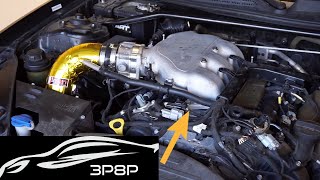
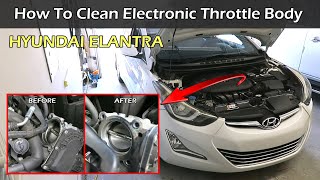
Pro Tip: While the manifold is off, it's the perfect time to inspect and clean your throttle body, 🎬 Watch this guide on how to clean your electronic throttle body check the condition of the lower intake gaskets, and consider replacing the PCV valve 🎬 See how to replace the PCV valve on a Genesis Coupe to prevent future oil contamination.
Known Issues, Recalls, and TSBs
As of this writing, there are no specific recalls or widespread Technical Service Bulletins (TSBs) from Hyundai directly addressing the intake manifold on the 2009-2012 3.8L Genesis Coupe. Most issues are related to age, heat cycles causing cracks in the plastic, or gasket failure leading to vacuum leaks. Problems with the PCV system leading to oil in the intake are also commonly reported by owners but are not a defect of the manifold itself.
Cost & Replacement Information
Replacing the upper intake manifold is a feasible DIY job for a moderately experienced mechanic. The process involves removing the engine cover, air intake piping, throttle body, and disconnecting several vacuum lines and electrical connectors.
| Item | Estimated Cost |
|---|---|
| New OEM Manifold | $850 - $950 |
| New Aftermarket Manifold | Not commonly available |
| Used OEM Manifold | $100 - $250 |
| Shop Labor for Replacement | $200 - $350 |
| Replacement Gaskets | $20 - $40 |
Replacement Details
- Difficulty: 3/5 (Moderate)
- Estimated Time: 2-3 hours
- DIY Feasible: Yes
Frequently Asked Questions (FAQ)
Will this intake manifold fit my 2013 Genesis Coupe 3.8?
No. The 2013 model year marked the switch from the Multi-Port Injection (MPI) engine to the Gasoline Direct Injection (GDI) engine. The GDI engine uses a completely different intake manifold and cylinder head design. This part is only for 2009-2012 models.
What are codes P0171 and P0174?
These are generic OBD-II codes that mean the engine's fuel system is running too lean on Bank 1 (P0171) and Bank 2 (P0174). In a V6 engine like the Genesis Coupe's, Bank 1 is one set of three cylinders and Bank 2 is the other. A cracked intake manifold or bad gasket is a very common cause for both codes appearing simultaneously, as it introduces extra, unmeasured air that affects all cylinders.
Can I reuse my old intake gaskets?
No. The gaskets are single-use and are crushed to create a seal. Reusing old gaskets will almost certainly result in a vacuum leak. New gaskets are inexpensive and are critical for a successful repair.
Why is there oil inside my old intake manifold?
A small amount of oil residue is normal, but a significant puddle or thick coating is usually from the PCV (Positive Crankcase Ventilation) system. The PCV valve can get stuck, allowing excess oil vapor to be drawn from the engine crankcase into the intake manifold. Consider replacing the PCV valve when you replace the manifold.
Helpful Videos
Technical Specifications
OEM Part Numbers: 29211-3C700 29211-3C710 292113C700
Material: Plastic/Composite Engine Application: 3.8L Lambda II V6 (MPI) Associated Gasket Part Number: 29215-3C710
We Have This Part in Stock


The information in this article is provided for general reference and educational purposes only. Vehicle specifications, procedures, and part compatibility can vary by production date, trim level, and region. Always consult your vehicle's factory service manual and verify part numbers before purchasing or performing repairs. Safety-critical components such as airbags, seat belts, and braking systems should be installed by a qualified professional.
- Hyundai Genesis Coupe: