

2006-2007 Ford Focus 2.0L Intake Manifold: Fixing Ticking Noises, Lean Codes, and Runner Control Faults
This guide covers the common failures of the 2.0L Duratec intake manifold, including vacuum leaks and Intake Manifold Runner Control (IMRC) problems, to help you diagnose issues and choose the right used part.
- The two most common failures are vacuum leaks (causing code P0171) and Intake Manifold Runner Control (IMRC) issues (causing ticking noises and codes P2004/P2008).
- Before replacing the entire manifold, check for a rotted PCV hose underneath it for P0171, and check the separate IMRC solenoid pack for code P2008.
- When buying a used manifold, inspect for cracks and verify the IMRC flap linkage moves freely without excessive play.
- This manifold only fits the 2.0L engine, not the 2.3L. Always install new gaskets and consider replacing the PCV hose during the job.
Common Symptoms of a Failing Intake Manifold

A failing intake manifold on a 2006-2007 Ford Focus can manifest in several ways, from strange noises to poor engine performance. The issues are typically related to either the Intake Manifold Runner Control (IMRC) system or vacuum leaks.
Ticking or Tapping Noise from Engine
A distinct ticking or tapping sound at idle is a hallmark symptom of a problem with the IMRC system. This noise is often caused by worn or loose IMRC flaps inside the plastic manifold tapping against the housing. The sound may disappear when you disconnect the vacuum line from the IMRC solenoid, which is a common diagnostic trick. 🎬 Watch: How to diagnose that ticking noise yourself. While not immediately damaging, it indicates significant wear within the manifold.
Poor Engine Performance and Rough Idle
If the IMRC flaps are stuck in one position (either open or closed), it can lead to a noticeable loss of power, hesitation, and a rough or unstable idle. Similarly, a vacuum leak from a cracked manifold or bad gasket will allow unmetered air into the engine, disrupting the air-fuel ratio and causing a rough idle, stumbling on acceleration, and general poor performance.
Check Engine Light with Specific Codes
A failing intake manifold will almost always trigger a Check Engine Light. Common diagnostic trouble codes (DTCs) include:
- P0171 - System Too Lean (Bank 1): This is the most common code and almost always points to a vacuum leak. The unmetered air makes the air-fuel mixture too lean (too much air, not enough fuel), which the oxygen sensor detects. A very common cause is a rotted PCV vacuum hose elbow located underneath the intake manifold.
- P2004 - Intake Manifold Runner Control Stuck Open: This code indicates the engine computer has detected that the IMRC flaps are stuck in the open position when they should be closed.
- P2008 - Intake Manifold Runner Control Circuit/Open: This code points to an electrical problem with the IMRC system, most often a failed control solenoid, which is a separate, easily replaceable part mounted near the manifold.
Pro Tip: Before condemning the entire manifold for a P2008 code, test the IMRC solenoid pack. It's a common failure point, inexpensive, and much easier to replace than the whole manifold. You can test the solenoids with a multimeter for resistance or swap the electrical connectors between the two solenoids to see if the fault follows the solenoid.
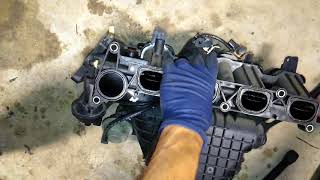
🎬 See how to replace the IMRC solenoid pack.Buying a Used 2006-2007 Focus Intake Manifold

Purchasing a used OEM intake manifold can be a cost-effective solution, as new OEM units are often discontinued and aftermarket parts can sometimes have quality issues. Here’s what to inspect to ensure you get a good part.
Physical Inspection Checklist
- Check for Cracks: Carefully inspect the entire plastic body for hairline cracks, especially around the bolt holes and the seams where the manifold is bonded together. Stress from heat cycles and engine vibration can cause the plastic to become brittle.
- Verify IMRC Linkage and Actuator: The vacuum actuator for the IMRC flaps is located on the end of the manifold. Ensure it's present and the linkage that connects it to the flaps is intact. Gently try to move the linkage by hand; it should move with some resistance but should not be seized or excessively loose.
- Look Inside the Runners: Shine a light into the four intake ports. Check the condition of the IMRC flaps. They should be present, appear straight, and not show obvious signs of damage or excessive carbon buildup.
- Inspect Gasket Surfaces: The surface that mates with the cylinder head must be flat and free of deep scratches or gouges that could prevent a proper seal.
- Confirm Compatibility: This manifold is ONLY for the 2.0L Duratec engine. It will not fit the 2.3L engine found in some Focus models. Verify the part number (e.g., 4S4G-9424-BK) or confirm the donor vehicle had the 2.0L engine.
Warning: Do not purchase a manifold if the IMRC flaps feel extremely loose or rattle when you shake the unit. This indicates advanced wear and the part will likely make noise or fail soon after installation.
Why Used OEM vs. New Aftermarket?
While new aftermarket manifolds are readily available, they can sometimes suffer from poor quality control. Issues like flashing (excess plastic) inside the runners can restrict airflow and hurt performance. A good-condition, low-mileage used OEM manifold was built to Ford's original specifications and is often a more reliable choice than a cheap aftermarket alternative.
Replacement Information

- Installation Difficulty: 3 out of 5. The job is straightforward but can be tedious due to tight spaces. Accessing the bolts at the back of the manifold and the PCV hose underneath requires patience and sometimes a variety of socket extensions.
- Estimated Time: 2.5 - 4.0 hours for a DIY mechanic. A professional may do it in under 2.5 hours.
- Torque Specs: The intake manifold bolts should be tightened to 18 Nm, which is approximately 13 lb-ft or 156 in-lbs. It's recommended to tighten them in a sequence starting from the middle and working your way out.
- Procedures: The process involves removing the airbox, disconnecting the throttle body, fuel line, EGR tube, and numerous electrical connectors and vacuum hoses before unbolting the manifold itself. It is highly recommended to replace the four intake manifold gaskets and the problematic PCV hose while the manifold is off.
Cost Comparison
| Part Type | Estimated Cost |
|---|---|
| New OEM | $700+ (if available, largely discontinued) |
| New Aftermarket | $85 - $225 |
| Used OEM | $50 - $125 |
| Shop Labor Cost | $230 - $350 |
Frequently Asked Questions (FAQ)

Can I just delete or remove the IMRC flaps?
While some people choose to remove the flaps, it's generally not recommended. Doing so can cause a permanent Check Engine Light and may negatively affect idle quality and low-RPM fuel economy. It's better to repair the system or replace the manifold with a functioning unit.
My car has code P0171. Is it definitely the intake manifold?
Not necessarily, but it's a very strong possibility. Code P0171 means there's a vacuum leak. On these cars, the most common culprit is the PCV hose elbow that connects to the underside of the intake manifold. The leak could also be from the manifold gaskets or a crack in the manifold itself. A smoke test is the best way to pinpoint the exact source of a vacuum leak.
What is the difference between the 2.0L and 2.3L intake manifolds?
The intake manifolds for the 2.0L and 2.3L Duratec engines are different parts and are not interchangeable. They have different part numbers (2.0L is 4S4Z-9424-BK, 2.3L is 3S4Z-9424-AM) and are designed for the specific airflow characteristics of each engine. Always ensure you are buying the correct manifold for your engine size.
Do I need to replace the gaskets when installing a used manifold?
Yes, absolutely. Always install new intake manifold gaskets to ensure a proper seal and prevent vacuum leaks. The gaskets are inexpensive and it is critical to replace them anytime the manifold is removed. It is also the perfect time to replace the PCV valve and hose located underneath the manifold.
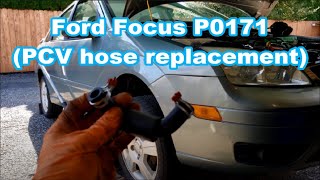
🎬 Watch: Overview of the PCV breather hose replacement.Helpful Videos


Technical Specifications
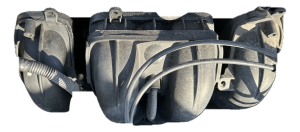
OEM Part Numbers: 4S4G9424BK 4S4Z9424BA 4S4Z9424BK
Material: Plastic Composite Engine Application: 2.0L DOHC Duratec I4 Key Feature: Integrated Intake Manifold Runner Control (IMRC) Manifold Bolt Torque: 18 Nm (13 lb-ft)
We Have This Part in Stock

The information in this article is provided for general reference and educational purposes only. Vehicle specifications, procedures, and part compatibility can vary by production date, trim level, and region. Always consult your vehicle's factory service manual and verify part numbers before purchasing or performing repairs. Safety-critical components such as airbags, seat belts, and braking systems should be installed by a qualified professional.
- Ford Focus:
- 🎬 Helpful Videos
- 🛍️ Shop This Part
- Common Symptoms of a Failing Intake Manifold
- Ticking or Tapping Noise from Engine
- Poor Engine Performance and Rough Idle
- Check Engine Light with Specific Codes
- Buying a Used 2006-2007 Focus Intake Manifold
- Physical Inspection Checklist
- Why Used OEM vs. New Aftermarket?
- Replacement Information
- Cost Comparison
- Frequently Asked Questions (FAQ)
- 🎟️ Get 5% Off