

2013-2014 Ford F-150 5.0L Intake Manifold: Runner Control Faults and Vacuum Leaks
This guide covers the common failure points, symptoms, and replacement considerations for the intake manifold on 2013-2014 Ford F-150 trucks with the 5.0L V8 engine.
- The most common failure is the internal Intake Manifold Runner Control (IMRC) linkage breaking, requiring full manifold replacement and causing codes P2006/P2007.
- Vacuum leaks from cracked plastic or bad gaskets are also common, leading to hissing noises and a rough idle.
- When buying a used manifold, the most important check is to ensure the IMRC actuator arms move smoothly and are not broken.
- For 2013 models, ensure the truck was built on or after January 4th, 2013, for correct fitment.
Symptoms of a Failing Intake Manifold


A problem with the intake manifold can present itself in several ways, from strange noises to a noticeable loss of power. The check engine light is often the first indicator of a problem.
1. Check Engine Light with IMRC Codes (P2006, P2007)
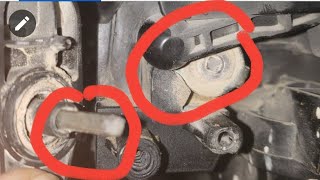
The most common failure on this intake manifold is a problem with the Intake Manifold Runner Control (IMRC) system. A small plastic rod or lever that connects the actuator to the runner flaps inside the manifold can break. When this happens, the powertrain control module (PCM) detects that the runners are stuck in one position (usually closed) and triggers a check engine light. You will typically see codes P2006 (Intake Manifold Runner Control Stuck Closed Bank 1) or P2007 (Intake Manifold Runner Control Stuck Closed Bank 2). This failure results in a significant loss of high-RPM power and sluggish acceleration.
🎬 Watch: Understanding IMRC failure and common trouble codes2. Hissing Noises and Vacuum Leak Symptoms
Cracks in the plastic manifold body or, more commonly, failed gaskets where the manifold meets the cylinder heads can cause a vacuum leak. This allows unmetered air to enter the engine, disrupting the air-fuel ratio. Symptoms include:
- A distinct hissing or whistling sound from the engine bay at idle.
- Rough, unstable, or high idling.
- Hesitation or stumbling on acceleration.
- Reduced fuel economy.
- Lean condition codes like P0171 and P0174.
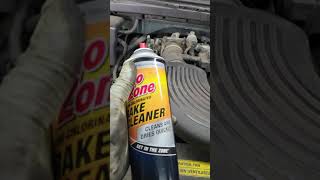
You can help diagnose a vacuum leak by carefully spraying brake cleaner or unlit propane around the manifold gasket area with the engine running. If the engine's idle speed changes, it indicates a leak where you sprayed.
🎬 See a demonstration of how to find vacuum leaksKnown Issues, TSBs, and Recalls

While there are no specific recalls for the intake manifold on the 2013-2014 F-150 5.0L, the IMRC failure is a widely documented problem in online forums and by mechanics. The failure of the internal plastic linkage is the primary culprit. Because this linkage is not sold separately, a broken linkage requires the replacement of the entire intake manifold assembly.
Additionally, Ford issued Technical Service Bulletin (TSB) #TSB-14-0103 for some 2014 F-150 models, noting that a heater hose could rub against the intake manifold, potentially causing a coolant leak. While not a manifold failure itself, it's an important issue to be aware of in that area of the engine bay.
🎬 Watch: Mechanic reviews the top 5 issues for this engineCompatibility Warning: This intake manifold fits 2013-2014 Ford F-150 models with the 5.0L V8 engine. However, for 2013 models, it specifically fits trucks built on or after January 4th, 2013. Always verify compatibility with the vehicle's VIN before purchasing.
Buying a Used Engine Intake Manifold

A used OEM manifold is often a smart choice, as it can provide factory quality at a significant discount. However, it's crucial to inspect the part carefully before purchase.
- Check the IMRC Linkage: This is the most critical inspection point. Locate the IMRC actuator arms on the back of the manifold. Gently try to move them by hand. They should move smoothly with some resistance and not feel loose, floppy, or stuck. Ask the seller to verify the internal linkage is intact. Any sign of breakage here means the manifold is faulty.
- Inspect for Cracks: Carefully examine the entire plastic body of the manifold, especially around the mounting points and seams. Pay close attention to the areas where the gaskets seat. Any visible cracks will cause vacuum leaks and make the part unusable.
- Check Gasket Surfaces: The surfaces where the manifold bolts to the engine and where the throttle body mounts must be flat and free of deep gouges or warping. Minor imperfections are normal, but the surface should be clean and straight.
- Included Components: A good used manifold should ideally come with its position sensors. The new manifold from Ford includes the vacuum solenoids, actuators, and position sensors. While you can swap your old ones, getting a complete assembly is a plus. The throttle body is a separate part.
- Why Used OEM is a Good Choice: For this part, a used OEM manifold is often preferable to a new, cheap aftermarket alternative. The OEM part was designed by Ford for the specific performance characteristics of the 5.0L engine, including the IMRC system. A quality used OEM part that passes inspection will likely have better longevity and fitment than a low-cost aftermarket copy.
Cost Comparison
Prices can vary based on location, supplier, and condition. Here is a general cost breakdown for the intake manifold assembly:
| Part Type | Estimated Cost |
|---|---|
| New OEM (Ford) | $130 - $200 |
| New Aftermarket (Dorman) | $150 - $250 |
| Used OEM | $75 - $150 |
| Shop Labor | $250 - $500 |
Replacement Difficulty
Replacing the intake manifold on a 5.0L F-150 is a moderately difficult job that a skilled DIY mechanic can accomplish.
- Difficulty Rating: 3 out of 5
- Estimated Time: 2-4 hours
- DIY Feasible: Yes
The process involves disconnecting the air intake tube, fuel lines (be sure to depressurize the system first), various electrical connectors, and vacuum hoses. The fuel rail and injectors must be unbolted and lifted out of the way. The manifold is then unbolted and removed. The most challenging part is often reaching the electrical connectors and hoses at the back of the manifold, near the firewall. No special programming is required after installation.
Pro Tip: While the manifold is off, it's an excellent time to clean the intake ports on the cylinder heads and replace the injector O-rings. Also, take a moment to clean the throttle body.
Technical Specifications and Part Numbers
These part numbers have been verified for this application. The latest part number often supersedes previous versions.
| Part Number | Manufacturer | Notes |
|---|---|---|
| BL3Z-9424-D | Ford | Current replacement, supersedes -A and -C versions |
| BL3Z-9424-C | Ford | Superseded by BL3Z-9424-D |
| BL3Z-9424-A | Ford | Superseded part number |
| BL3E9424KB | Ford | Engineering number, may appear on part |
| BL3E9424MA | Ford | Engineering number, may appear on part |
Frequently Asked Questions (FAQ)
Can I just fix the broken IMRC linkage?
Unfortunately, no. The internal plastic linkage that breaks is not available as a separate service part from Ford. While some aftermarket companies offer repair kits for other vehicles, the standard repair for this F-150 manifold is to replace the entire assembly.
Will a Boss 302 or GT manifold fit my truck?
Yes, intake manifolds from the Mustang GT, Boss 302, and later Gen 3 Coyote engines are popular performance upgrades and will physically bolt to the engine. However, they require significant modifications, including IMRC lockout kits, custom tuning, and rerouting of hoses to work correctly. This is not a direct swap and is intended for users seeking higher peak horsepower at the expense of some low-end torque.
Do I need to replace the gaskets when I install a used manifold?
Yes, you should always install new gaskets. The manifold uses molded rubber gaskets that seal the intake ports. Reusing old, compressed gaskets is a major risk for vacuum leaks. New gaskets are inexpensive and are critical for a successful repair.
What are the torque specs for the intake manifold bolts?
While specific factory manuals should be the ultimate source, the general procedure for plastic intake manifolds involves a two-step process, tightening in a specific sequence to 8-10 ft-lbs (foot-pounds). It is critical not to overtighten the bolts, as this can crack the plastic manifold.
Helpful Videos
Technical Specifications
OEM Part Numbers: BL3Z-9424-D BL3Z-9424-C BL3Z-9424-A BL3E9424KB BL3E9424MA BL3Z9424D
Material: Composite Plastic. Features: Integrated Intake Manifold Runner Control (IMRC) system.
We Have This Part in Stock



The information in this article is provided for general reference and educational purposes only. Vehicle specifications, procedures, and part compatibility can vary by production date, trim level, and region. Always consult your vehicle's factory service manual and verify part numbers before purchasing or performing repairs. Safety-critical components such as airbags, seat belts, and braking systems should be installed by a qualified professional.
- Ford F-150:
- 🎬 Helpful Videos
- 🛍️ Shop This Part
- Symptoms of a Failing Intake Manifold
- 1. Check Engine Light with IMRC Codes (P2006, P2007)
- 2. Hissing Noises and Vacuum Leak Symptoms
- Known Issues, TSBs, and Recalls
- Buying a Used Engine Intake Manifold
- Cost Comparison
- Replacement Difficulty
- Technical Specifications and Part Numbers
- Frequently Asked Questions (FAQ)
- 🎟️ Get 5% Off