

2000-2001 Explorer & Mountaineer 4.0L SOHC Intake Manifold and Gasket Guide
Diagnosing and fixing the common intake gasket leak that causes rough idle and lean codes on the Ford 4.0L SOHC V6 engine.
- The most common failure is not a cracked manifold, but leaking O-ring gaskets between the lower manifold and the cylinder heads.
- Key symptoms are a rough idle when cold and a Check Engine Light with lean codes P0171 and P0174.
- The repair requires replacing the gaskets; simply tightening the bolts is not a permanent solution.
- For 2001 Explorer Sport/Sport Trac models, this part fits only if the vehicle was built on or before July 23, 2000.
Symptoms of a Failing Intake Manifold Gasket

The failure on the 4.0L SOHC is almost always the intake gaskets, not the manifold itself. When these gaskets fail, they create a vacuum leak. The symptoms are often most severe when the engine is cold and may seem to improve as it warms up.
- Rough or Erratic Idle, Especially When Cold: This is the most common symptom. When you start the vehicle cold, the idle may surge up and down, or drop so low that the engine feels like it's about to stall. This happens because the plastic manifold contracts in the cold, opening a gap around the old, hardened gaskets. As the engine warms, the manifold expands and can partially or fully close the leak.
- Check Engine Light with Lean Codes: A vacuum leak allows extra, unmetered air into the engine. The engine's computer (ECU) detects this via the oxygen sensors and triggers a Check Engine Light with codes P0171 (System Too Lean Bank 1) and/or P0174 (System Too Lean Bank 2). Misfire codes like P0300 may also appear.
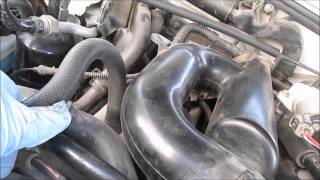
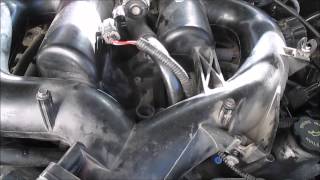
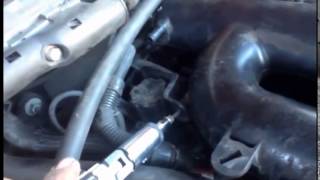
- Hissing or Whistling Noises: You may hear a distinct sucking or hissing sound coming from the top of the engine. This is the sound of air being pulled through the failed gasket seal. 🎬 See how to hunt for vacuum leaks using this smoke test.
- Reduced Power and Poor Fuel Economy: Because the air-fuel mixture is incorrect, the engine cannot perform optimally. This can lead to sluggish acceleration and a noticeable decrease in gas mileage.
Known Issues for 2000-2001 Explorer & Mountaineer 4.0L SOHC

The Common Intake Gasket Leak
The defining issue for this part and engine combination is the failure of the lower intake manifold's O-ring style gaskets. These rubber O-rings sit in grooves on the underside of the manifold and seal against the cylinder heads. Over time, they become hard and brittle from age and heat cycles. When the engine is cold, the plastic manifold contracts slightly, and the hardened gaskets can no longer maintain a seal, causing a significant vacuum leak. Forum users and mechanics widely report that the manifold mounting bolts are often found to be loose upon disassembly, which may contribute to the problem.
Compatibility Warning: For 2001 Ford Explorer Sport and Sport Trac models, the OEM part YL2Z9424AA only fits vehicles manufactured on or before July 23, 2000. You must verify your vehicle's build date before purchasing.
Is the Manifold Cracked?
While plastic intake manifolds on other Ford engines (like the 4.6L V8) are known for cracking and leaking coolant, that is not a common problem on the 4.0L SOHC manifold. The issue is overwhelmingly a vacuum leak from the gaskets. Before assuming the manifold itself is bad, the gaskets should be considered the primary suspect.
Buying a Used Lower Intake Manifold: What to Inspect

Since the manifold itself is a durable piece of plastic, buying a good used OEM unit is a smart, budget-friendly choice. The most critical part of the repair is installing new, high-quality gaskets. When inspecting a used manifold, you are mainly checking for damage that would prevent those new gaskets from sealing properly.
- Verify Compatibility: First, ensure the manifold is for a 4.0L SOHC engine, not the older 4.0L OHV. The original part should have an engineering number like YL2E-AA cast into the plastic. This is the most reliable way to confirm you have the correct part.
- Check for Warping: Lay a machinist's straightedge across the gasket surfaces on the bottom of the manifold. There should be no significant gaps. A warped manifold will never seal correctly, even with new gaskets.
- Inspect Gasket Grooves: Look closely at the channels where the O-ring gaskets sit. They should be clean, smooth, and free of any cracks, chips, or signs of previous repairs with silicone or epoxy.
- Examine Bolt Holes: Check all mounting bolt holes for cracks or stripped threads. The use of self-tapping screws in some aftermarket kits can damage the original plastic threads if not done carefully.
Replacement Overview & Difficulty
Replacing the lower intake manifold gaskets is a time-consuming but manageable job for an experienced DIY mechanic. It does not require many specialized tools beyond a good socket set with extensions and a torque wrench.
- Difficulty Rating: 4 out of 5
- Estimated Time: 4-6 hours
General Steps:
- Disconnect the negative battery terminal.
- Remove the upper intake manifold (plenum) and throttle body.
- Disconnect the fuel lines (use a proper disconnect tool) and electrical connectors from the fuel injectors. Unbolt and carefully lift the entire fuel rail with injectors attached.
- Disconnect all vacuum lines and electrical connectors attached to the lower manifold.
- Unbolt and remove the lower intake manifold. The bolts are often loose.
- Thoroughly clean the gasket surfaces on both the cylinder heads and the replacement manifold. This step is critical for a good seal.
- Install new O-ring gaskets into the grooves on the manifold.
- Reassemble everything in reverse order, making sure to torque the manifold bolts to the manufacturer's specification in the correct sequence.
Pro Tip: While the manifold is off is the perfect time to clean the fuel injectors, replace the injector O-rings, and replace any brittle vacuum hoses you find.
Cost to Replace the Intake Manifold Gaskets
Because the manifold itself is rarely the problem, most repairs involve only replacing the gaskets. If your manifold is damaged or warped, a used OEM part is a cost-effective option.
| Part or Service | Estimated Cost |
|---|---|
| New Aftermarket Gasket Set (e.g., Fel-Pro, DNJ) | $30 - $60 |
| Used OEM Lower Intake Manifold | $75 - $150 |
| New OEM Lower Intake Manifold (YL2Z9424AA) | $250 - $400+ (if available) |
| Shop Labor for Gasket Replacement | $220 - $320 |
Frequently Asked Questions (FAQ)
Why does my Explorer or Mountaineer only run rough when it's cold?
This classic symptom points directly to leaking intake gaskets. When cold, the plastic intake manifold contracts, creating a small gap around the old, hardened rubber gaskets, which allows air to leak in. As the engine heats up, the manifold expands, closing the gap and often making the symptom disappear until the next cold start.
Can I just tighten the manifold bolts to fix the leak?
No. While the bolts may be loose, simply tightening them will not fix the problem. The original gaskets have become hard and brittle with age and can no longer create a proper seal. The only correct repair is to replace the gaskets.
What's the difference between the upper and lower intake manifold on the 4.0L SOHC?
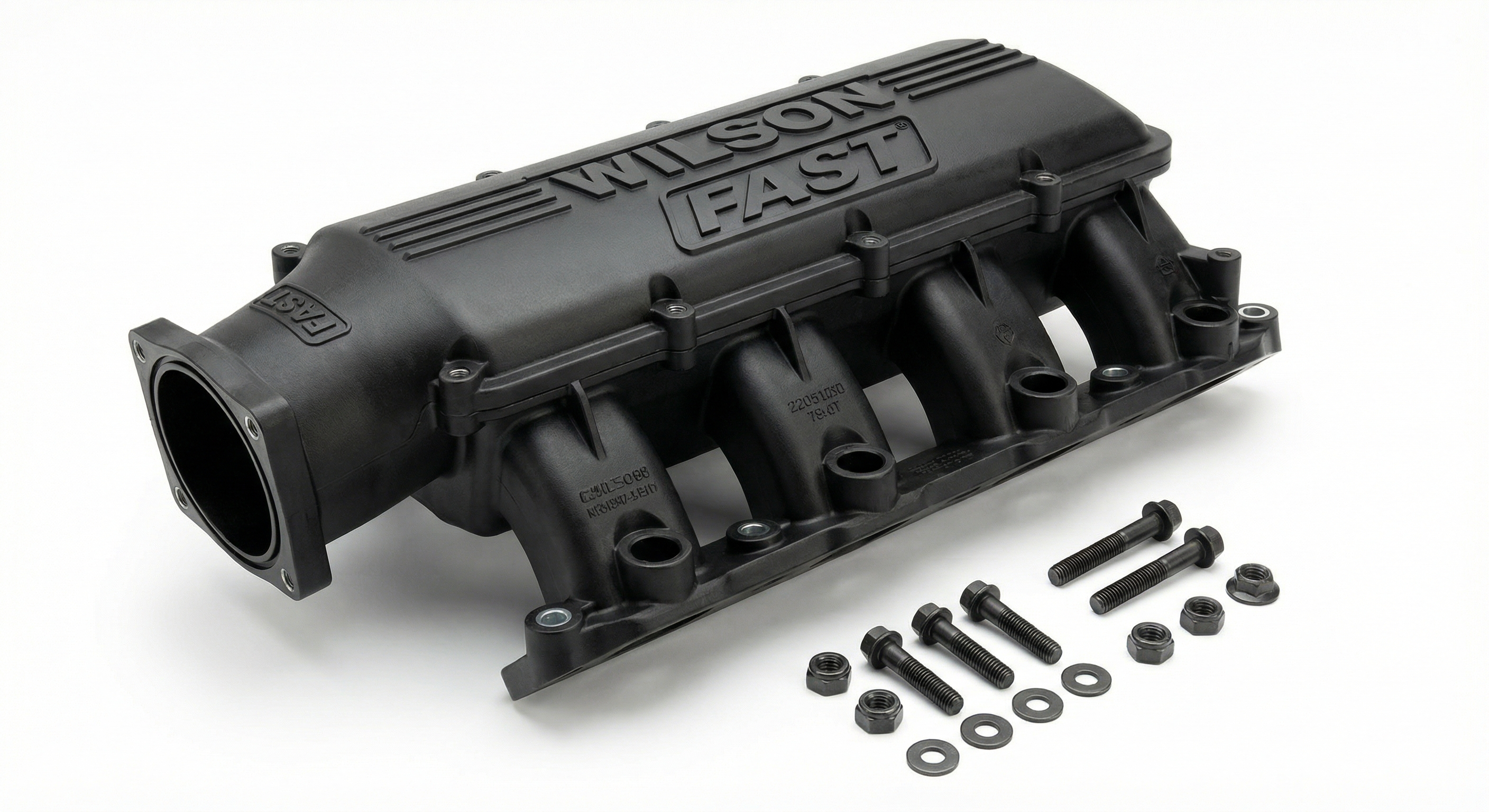
The upper intake, often called the plenum, is the large plastic component that the throttle body bolts to. The lower intake manifold (this part) sits beneath the upper intake and the fuel rail. It is a set of six runners that directs air from the plenum down to the cylinder heads. The common leak occurs where this lower manifold seals to the heads.
Do I need to drain the coolant to replace this part?
No. Unlike many other engines, the lower intake manifold on the 4.0L SOHC does not have coolant passages running through it. The repair can be done without draining the cooling system, which simplifies the job.
Technical Specifications

Engine Application: 4.0L (245ci) SOHC V6 (VIN Code 'E')
Known OEM Part Number: YL2Z9424AA (Ford)
Casting ID Number to Verify: YL2E-AA
Helpful Videos
Technical Specifications
OEM Part Numbers: YL2Z9424AA
Fits 4.0L SOHC V6 (VIN 'E'). Material: Plastic Composite. Gasket Type: Six individual O-rings (must be replaced during installation).
We Have This Part in Stock

The information in this article is provided for general reference and educational purposes only. Vehicle specifications, procedures, and part compatibility can vary by production date, trim level, and region. Always consult your vehicle's factory service manual and verify part numbers before purchasing or performing repairs. Safety-critical components such as airbags, seat belts, and braking systems should be installed by a qualified professional.
- Ford Explorer:
- Mercury Mountaineer:
- 🎬 Helpful Videos
- 🛍️ Shop This Part
- Symptoms of a Failing Intake Manifold Gasket
- Known Issues for 2000-2001 Explorer & Mountaineer 4.0L SOHC
- The Common Intake Gasket Leak
- Is the Manifold Cracked?
- Buying a Used Lower Intake Manifold: What to Inspect
- Replacement Overview & Difficulty
- Cost to Replace the Intake Manifold Gaskets
- Frequently Asked Questions (FAQ)
- Technical Specifications
- 🎟️ Get 5% Off