

Ford 3.5L & 3.7L Intake Manifold Leaks: P0171/P0174 on Explorer, Taurus, Edge & More (2011-2015)
This guide covers the common failure of the upper intake manifold on the non-turbo 3.5L and 3.7L V6, leading to lean codes, rough idle, and misfires.
- The most common failure is a vacuum leak from the intake gaskets, causing lean codes P0171 and P0174, rough idle, and hesitation.
- When buying a used manifold, meticulously inspect for hairline cracks, especially around seams, and ensure all vacuum ports are intact.
- This part must be removed to access the rear spark plugs, so it's wise to replace plugs and intake gaskets at the same time to save on future labor.
- Always use a quality OEM or a well-regarded aftermarket part; cheap aftermarket manifolds are known to have fitment and quality issues.
Symptoms of a Failing Intake Manifold
The most common failure on this intake manifold is not a crack in the manifold itself, but a leak from the gaskets that seal it to the lower intake or cylinder heads. This allows unmetered air to enter the engine, disrupting the carefully balanced air-fuel ratio. When this happens, you will likely experience one or more of the following symptoms.
Check Engine Light with Lean Codes (P0171 & P0174)
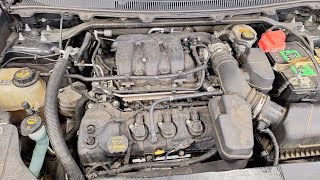
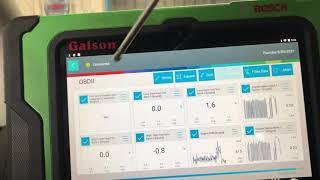
This is the most definitive sign of a leak. The engine's computer (PCM) detects too much oxygen in the exhaust and triggers codes P0171 (System Too Lean Bank 1) and/or P0174 (System Too Lean Bank 2). If both codes are present, it strongly points to a vacuum leak that affects the entire engine, with the intake gaskets being a primary suspect. On these 🎬 Watch: How to diagnose these lean codes transverse engines, Bank 1 is the cylinder bank closer to the firewall, while Bank 2 is closer to the radiator.
Rough Idle, Stalling, and Hesitation
A vacuum leak causes an unstable air-fuel mixture, which is most noticeable at idle. The engine may idle erratically, hunt for a steady RPM, or even stall when you come to a stop. You might also notice hesitation or stumbling when you accelerate as the engine struggles to compensate for the extra air.
Audible Hissing or Whistling
In some cases, a large vacuum leak can create a distinct hissing or whistling sound from the engine bay. The sound is the result of air being sucked into the engine through the failed gasket or a crack in a vacuum line. This sound may be more noticeable when the engine is cold.
Pro Tip: Before replacing the manifold, perform a smoke test. This involves injecting pressurized smoke into the intake system. Smoke will pour out of any leak points, definitively confirming the source of the problem and preventing you from replacing the wrong part. A leaking brake booster can cause identical symptoms and is another known issue on these vehicles.
Buying a Used Engine Intake Manifold: What to Check
A used OEM intake manifold is an excellent, cost-effective alternative to expensive new parts, especially since many aftermarket versions have questionable quality and fitment. However, a thorough inspection is critical before you buy.
- Inspect for Cracks: Carefully examine the entire plastic body for hairline cracks. Pay close attention to the seams where the manifold was molded together and around all bolt holes. Even a small crack can cause a significant vacuum leak.
- Check Gasket Condition: This manifold comes with integrated rubber gaskets. Ensure they are still pliable, are not flattened, brittle, or missing sections. While the gaskets are replaceable, their condition on a used part indicates how well it was cared for.
- Verify All Ports are Intact: Check every vacuum nipple and port. These small plastic tubes can easily snap off during removal from the donor vehicle. A broken port will create a vacuum leak that is difficult to repair properly.
- Look for Warping: Place the manifold on a flat surface to check for any warping at the mounting flanges. A warped manifold will not seal correctly against the engine, even with new gaskets.
- Confirm Part Numbers: Match the engineering number on the part (e.g., AT4E-9424-DG) or the OEM service number to your vehicle's requirements to ensure compatibility.
Known Issues, TSBs, and Recalls
While there are no official recalls or widespread Technical Service Bulletins (TSBs) for intake manifold failure on these specific models, the lean codes P0171 and P0174 are a well-documented issue. The cause is almost always a vacuum leak from aging plastic or rubber components.
Important Note on Ford Explorer Exhaust Odor Investigation
Many owners of 2011-2017 Ford Explorers may be aware of a separate, unrelated issue involving exhaust odors entering the cabin. This led to a NHTSA investigation and a Ford Customer Satisfaction Program (19N05). This problem is related to cracked exhaust manifolds or sealing issues at the rear of the vehicle, NOT the plastic upper intake manifold discussed in this guide. These are two distinct parts with different symptoms and repairs.
Replacement Overview & Difficulty
Replacing the upper intake manifold is a moderately difficult job that a skilled DIY mechanic can perform. Accessing the rear bank of cylinders for spark plug changes or misfire diagnosis also requires removing this manifold.
- Difficulty: 3 out of 5
- Estimated Time: 2-3 hours
- Key Steps: The process involves disconnecting the battery, removing the air filter housing and intake duct, unplugging sensors (MAF, MAP, throttle body), disconnecting vacuum lines (brake booster, PCV), and removing the 7 mounting bolts.
- Hidden Bolt: Be aware of a hidden 8mm support bolt that attaches a bracket to the underside of the throttle body area. This bolt must be removed for the manifold to come free.
- Torque Specs: The seven intake manifold bolts should be tightened in a specific sequence in two stages: Stage 1 to 10 Nm (89 lb-in), and Stage 2 an additional 45 degrees.
- Required Gaskets: Always install new upper intake manifold gaskets when reinstalling the manifold to ensure a proper seal.
Warning: After removing the intake manifold, immediately cover the open lower intake ports with clean rags. Dropping a bolt, tool, or debris into the engine can cause catastrophic damage.
Cost Comparison
Replacing the intake manifold can be costly at a shop, but sourcing a quality used part can save a significant amount of money.
| Part Source | Estimated Price Range |
|---|---|
| New OEM | $80 - $120 |
| New Aftermarket | $150 - $260 |
| Used OEM | $50 - $125 |
| Shop Labor Cost | $200 - $350 |
Compatible Vehicles
This upper intake manifold is shared across several Ford and Lincoln models equipped with the naturally aspirated (non-turbo) 3.5L or 3.7L Cyclone V6 engine. It will NOT fit 3.5L EcoBoost (turbocharged) models.
- 2011-2015 Ford Explorer
- 2013-2015 Ford Taurus
- 2011-2014 Ford Edge
- 2013-2014 Ford Flex
- 2013-2015 Ford Police Interceptor Utility
- 2013-2015 Ford Police Interceptor Sedan
- 2011-2012 Lincoln MKX
- 2013 Lincoln MKT
Frequently Asked Questions (FAQ)
Can I just replace the intake gaskets instead of the whole manifold?
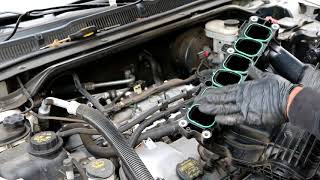
Yes. In most cases, the failure is the gaskets, not the manifold itself. If a thorough inspection shows the plastic manifold is free of cracks and warping, 🎬 See this upper intake manifold removal walkthrough simply replacing the gaskets is the correct repair. The labor is the same whether you are replacing the gaskets or the entire manifold.
Why do I have to remove the intake manifold to change my spark plugs?
On these vehicles, the engine is mounted transversely (sideways). This positions one bank of cylinders (Bank 1) near the firewall, directly underneath the upper intake manifold. To access the ignition coils and spark plugs for those three cylinders, the manifold must be removed.
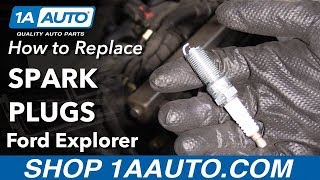
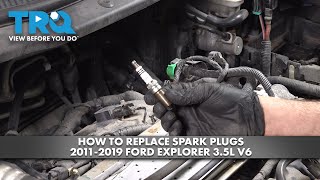
🎬 Watch: Step-by-step spark plug replacement guideIs a used OEM manifold better than a new aftermarket one?
Often, yes. A quality, inspected used OEM (Original Equipment Manufacturer) part guarantees perfect fitment and material quality that matches the original. Some new aftermarket manifolds have been criticized for poor quality plastic, incorrect fit, and gaskets that fail prematurely, sometimes even reducing engine performance.
What is the difference between the upper and lower intake manifold?
This guide covers the upper intake manifold, which is the large plastic plenum you see on top of the engine. The lower intake manifold is a separate component that sits between the upper manifold and the engine's cylinder heads. While the lower intake gaskets can also fail, leaks from the upper gaskets are more common.
Helpful Videos
Technical Specifications
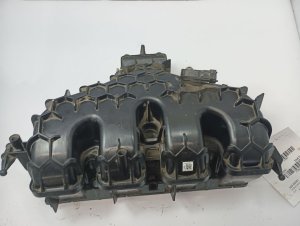
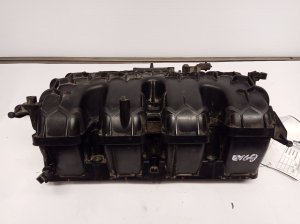
OEM Part Numbers: AT4Z-9424-A AT4Z-9424-E FT4Z-9424-E AT4E-9424-DB AT4E-9424-DC AT4E-9424-DD AT4E-9424-DE AT4E-9424-DF AT4E-9424-DG
Material: Plastic Engine Application: 3.5L / 3.7L Naturally Aspirated (Non-Turbo) Cyclone V6 Bolt Torque: 10 Nm (89 lb-in) + 45 degrees
We Have This Part in Stock



The information in this article is provided for general reference and educational purposes only. Vehicle specifications, procedures, and part compatibility can vary by production date, trim level, and region. Always consult your vehicle's factory service manual and verify part numbers before purchasing or performing repairs. Safety-critical components such as airbags, seat belts, and braking systems should be installed by a qualified professional.
- Ford Explorer:
- Ford Taurus:
- Ford Edge:
- Ford Flex:
- Ford Police Interceptor Utility:
- Lincoln MKT:
- Ford Police Interceptor Sedan:
- Lincoln MKX:
- 🎬 Helpful Videos
- 🛍️ Shop This Part
- Symptoms of a Failing Intake Manifold
- Check Engine Light with Lean Codes (P0171 & P0174)
- Rough Idle, Stalling, and Hesitation
- Audible Hissing or Whistling
- Buying a Used Engine Intake Manifold: What to Check
- Known Issues, TSBs, and Recalls
- Important Note on Ford Explorer Exhaust Odor Investigation
- Replacement Overview & Difficulty
- Cost Comparison
- Compatible Vehicles
- Frequently Asked Questions (FAQ)
- 🎟️ Get 5% Off