

2016-2018 Malibu, Encore & Cruze Intake Manifold: Diagnosing P1101, PCV Failures, and Vacuum Leaks
This guide covers the common failure points of the intake manifold for the 2016-2017 Chevrolet Malibu, 2016-2018 Buick Encore, and 2017 Chevrolet Cruze, focusing on diagnosis and replacement.
- The most common failure is a vacuum leak, causing a Check Engine Light with codes P0171 or P1101.
- Symptoms are often linked to a failed PCV system, which may require replacing the valve cover as well as the intake manifold.
- Before replacing the manifold, rule out a clogged PCV orifice in the camshaft cover, which causes similar symptoms (TSB 20-NA-047).
- When buying a used manifold, inspect it carefully for cracks and ensure it's from a low-mileage vehicle. Always use new gaskets for installation.
Vehicle Fitment and Key Part Numbers

This intake manifold is used across several General Motors vehicles that share the same engine platforms. It is crucial to verify your specific engine before ordering.
- 2016-2017 Chevrolet Malibu: Fits models with the 1.5L turbocharged engine (RPO code LFV). For 2016 models, this applies to the 'New Style' body, which can be identified by the 4th digit of the VIN being 'Z'.
- 2016-2018 Buick Encore: Fits models with the 1.4L turbocharged engine (RPO code LE2).
- 2017 Chevrolet Cruze: Fits models with the 1.4L turbocharged engine (RPO code LE2).
The primary OEM part number has been superseded several times. All the numbers below refer to the same part, with the latest number reflecting the most current design.
- Latest Part Number: 12690468
- Previous Part Numbers: 12678245, 12675734, 12672815, 12668310
Symptoms of a Failing Intake Manifold

A failing intake manifold on these vehicles typically creates a vacuum leak. This allows unmetered air to enter the engine, disrupting the carefully balanced air-fuel ratio. Here are the most common symptoms:
- Check Engine Light: This is often the first sign. Common trouble codes include P0171 (System Too Lean) and P1101 🎬 Watch: How to diagnose these common trouble codes (Intake Air Flow System Performance). These codes indicate the engine's computer is detecting more air than it expects.
- Rough or Unstable Idle: The engine may shake, vibrate, or have fluctuating RPMs at a stop. In severe cases, it can lead to stalling.
- Hissing or Whistling Noise: A vacuum leak can create a distinct hissing or whistling sound from the engine bay, which may change with engine speed.
- Poor Acceleration and Reduced Power: With an incorrect air-fuel mixture, the engine can't perform optimally, leading to sluggish acceleration.
- Increased Oil Consumption: A failed PCV system, often integrated with the manifold, can cause high crankcase pressure, forcing oil past seals and into the combustion chamber.
Known Issues, TSBs, and Recalls

The most significant known issue with this intake manifold is related to the Positive Crankcase Ventilation (PCV) system. There are no specific recalls for this part, but several Technical Service Bulletins (TSBs) address related symptoms.
Plugged PCV Orifice and High Crankcase Pressure (TSB 20-NA-047)
A critical issue for these engines is a plugged PCV orifice within the camshaft cover. This blockage leads to excessive pressure inside the engine's crankcase. This pressure can cause oil leaks from the front or rear crankshaft seals and will often trigger a P1101 trouble code. While the fault is in the camshaft cover's PCV passage, the symptoms are often mistaken for a bad intake manifold. It is crucial to test crankcase pressure before replacing the manifold.
Missing PCV Non-Return Valve (TSB 19-NA-101)
Some older GM 1.4L engines (not the LE2, but a related design) had issues where a non-return check valve inside the intake manifold could become dislodged. This valve is designed to prevent boost pressure from entering the crankcase. If it fails, the boost pressure can rupture the PCV diaphragm in the valve cover. While this TSB doesn't specifically list the LE2 engine, the principle is important. A failure in the PCV system often requires replacing both the valve cover and the intake manifold as a set. Aftermarket companies like Dorman have even redesigned their replacement manifolds to address this failure mode.
Cracked Pistons (TSB 18-NA-171)
In some cases, especially on the 1.4L LE2 engine, a P0300 (Engine Misfire) code can be caused by cracked pistons. This is a serious mechanical failure that can also cause high crankcase pressure. To properly diagnose it, a technician must perform compression and cylinder leakage tests, which may require removing the intake manifold for access.
Pro Tip: Before condemning the intake manifold, always check for a clogged PCV orifice in the camshaft cover and test the PCV diaphragm. A simple test for a bad PCV diaphragm is to see if a strong vacuum is present at the valve cover oil cap opening while the engine is running. If the cap is difficult to remove due to suction, the diaphragm has likely failed.
Buying a Used Engine Intake Manifold

A used OEM intake manifold can be a cost-effective and reliable alternative to an expensive new part. Here’s what to check before you buy:
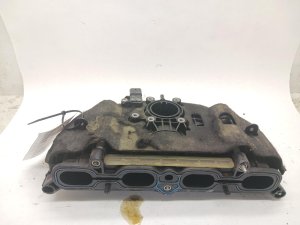
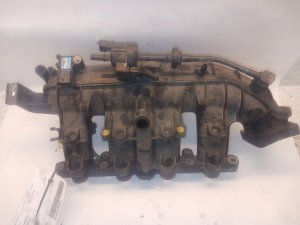
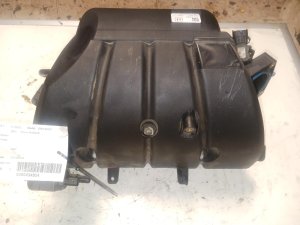
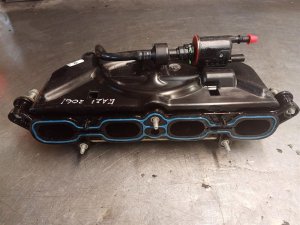
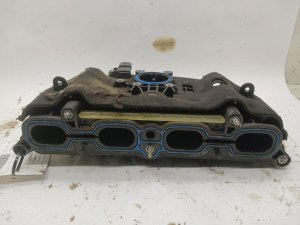
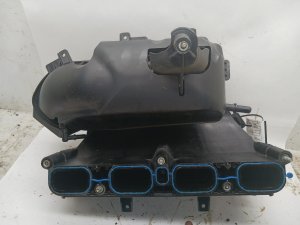
- Physical Inspection: Carefully inspect the entire plastic body for any hairline cracks, especially around the mounting points and sensor ports. Check the mating surfaces that connect to the cylinder head to ensure they are flat and free of damage.
- Check for Warping: Place the manifold on a known flat surface to check for any warping that could prevent a good seal.
- Included Components: Look for a manifold that comes with the throttle body and MAP sensor still attached. This can save you time and money, but be sure to verify the condition of these extra parts.
- Verify Part Number: Match the part number on the used manifold to one of the known OEM numbers (12690468, 12678245, etc.) to ensure compatibility.
- Low Mileage Donor: If possible, choose a part from a lower-mileage vehicle. Heat cycles and vibrations contribute to the degradation of the plastic over time.
- Why Used OEM?: A used original equipment part is often superior to a new, cheap aftermarket alternative. OEM parts are designed for a perfect fit and are made from high-quality materials tested by the manufacturer. Aftermarket parts can have fitment issues or be made from lower-grade plastic that may not last as long.
Cost to Replace Engine Intake Manifold
| Part or Service | Estimated Cost |
|---|---|
| New OEM (Dealer) | $260 - $420 |
| New Aftermarket (Dorman, etc.) | $150 - $300 |
| Used OEM | $50 - $150 |
| Shop Labor | $190 - $280 |
Warning: Always replace the intake manifold gaskets when replacing the manifold. Reusing old gaskets will almost certainly 🎬 Watch: Intake manifold gasket replacement walkthrough result in a vacuum leak. New gaskets are inexpensive and critical for a successful repair.
Frequently Asked Questions (FAQ)
Can I just replace the PCV valve or diaphragm?
On these engines, the main PCV diaphragm is integrated into the valve cover, and the check valve is integrated into the intake manifold. Neither can be replaced separately from the component they are part of. If the PCV diaphragm in the valve cover fails, the entire valve cover must be replaced. If the check valve in the intake manifold fails, the entire intake manifold must be replaced.
Is an aftermarket intake manifold a good choice?
While some high-quality aftermarket brands like Dorman exist and even claim to improve on the OEM design, many cheaper options can have poor fitment, use inferior materials that crack under heat, or have sealing issues. A quality used OEM part is often a safer and more reliable choice than a low-cost new aftermarket part.
What causes the intake manifold to fail?
The primary causes of failure are constant heat cycles and engine vibrations, which can cause the plastic material to become brittle and crack over time. Failures in the PCV system, such as a ruptured valve cover diaphragm or a missing check valve, can also put stress on the manifold and lead to its failure.
Do I need any special tools for the replacement?
The job requires standard metric sockets, wrenches, and a torque wrench. You will also need an E-Torx socket (specifically an E10) for the intake manifold bolts. A smoke machine is the best tool for finding vacuum leaks, but you can also carefully spray carburetor cleaner around the gasket areas with the engine running and listen for a change in idle speed.
Helpful Videos

![2018 Chevy Malibu P1101, P2138 [Don't Always Rely On a TSB!]](https://img.youtube.com/vi/VzYoosnx9r8/mqdefault.jpg)
Technical Specifications
OEM Part Numbers: 12690468 12678245 12675734 12672815 12668310
Material: Plastic/Nylon Composite. Required Tools: E10 Torx socket for manifold bolts.
We Have This Part in Stock

The information in this article is provided for general reference and educational purposes only. Vehicle specifications, procedures, and part compatibility can vary by production date, trim level, and region. Always consult your vehicle's factory service manual and verify part numbers before purchasing or performing repairs. Safety-critical components such as airbags, seat belts, and braking systems should be installed by a qualified professional.
- Chevrolet Malibu:
- Buick Encore:
- Chevrolet Cruze:
- 🎬 Helpful Videos
- 🛍️ Shop This Part
- Vehicle Fitment and Key Part Numbers
- Symptoms of a Failing Intake Manifold
- Known Issues, TSBs, and Recalls
- Plugged PCV Orifice and High Crankcase Pressure (TSB 20-NA-047)
- Missing PCV Non-Return Valve (TSB 19-NA-101)
- Cracked Pistons (TSB 18-NA-171)
- Buying a Used Engine Intake Manifold
- Cost to Replace Engine Intake Manifold
- Frequently Asked Questions (FAQ)
- 🎟️ Get 5% Off