

Audi 3.0T & 2.9T V6 Intake Manifold Failure: A Guide for A6, A8, Q7, S4, S5 & More
Diagnosing and replacing the failure-prone right-side intake manifold on popular 2017-2025 Audi models with the EA839 V6 turbo engine.
- The most common failure is the right (passenger side) intake manifold, triggering fault codes P2006 and P2007.
- When buying a used part, verify it is the latest part number (06M133268AD) and physically check that the flap linkage moves smoothly.
- Ignoring the issue leads to poor performance and fuel economy, but is unlikely to leave you stranded.
- Labor costs can be high, especially on SUV models like the Q7/Q8 where access is more difficult.
Symptoms of a Failing Intake Manifold

A problem with the right (passenger side) intake manifold on these Audi models often won't leave you stranded, but it will cause noticeable issues. The engine's computer, or Engine Control Module (ECM), relies on the manifold's systems to work correctly and will trigger a Check Engine Light when a fault is detected.
Common Symptoms:
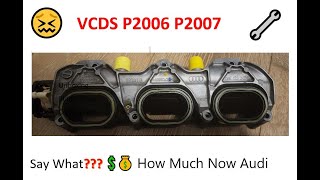
- Check Engine Light: This is often the first sign. You'll find stored Diagnostic Trouble Codes (DTCs) like P2006 and P2007, which point 🎬 Watch this guide on diagnosing Audi codes P2006 and P2007. directly to the intake runner control being stuck closed.
- Rough Idle: The engine may run unevenly or vibrate excessively when stopped.
- Reduced Engine Performance: You might feel a hesitation when accelerating or a general lack of power, especially at higher RPMs.
- Poor Fuel Economy: When the manifold can't optimize airflow, the engine becomes less efficient, leading to more trips to the gas station.
- Shuddering on Cold Starts: Some owners report a noticeable shudder or rough running for the first few moments after starting the engine cold.
- Hissing Sounds: A crack in the manifold body or a failed seal can create a vacuum leak, which may produce a hissing noise from the engine bay.
Pro Tip: Fault codes P2006 (Bank 1) and P2007 (Bank 2) often appear together. On V6 engines like the EA839, Bank 1 is the passenger side and Bank 2 is the driver side. However, a significant vacuum leak caused by a failure on one side (like a ruptured actuator diaphragm) can cause the system to log faults for both banks. The issue is most commonly with the Bank 1 (right/passenger side) manifold.
Known Issues, TSBs, and Recalls

While there are no widespread recalls specifically for the intake manifold on these models, the EA839 engine platform has several known issues and Technical Service Bulletins (TSBs) that are important for owners to be aware of.
- Intake Runner Control Failure: The most common failure is the internal flap mechanism or the vacuum actuator that controls it. The plastic components can wear, bind, or break, causing the flaps to get stuck. This is what triggers the P2006 and P2007 fault codes.
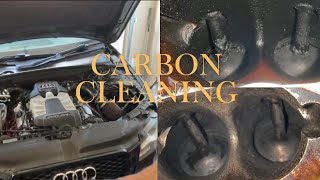
- Carbon Buildup: As direct-injection engines, the EA839s are prone to carbon accumulation on the intake valves and in the intake ports. While not a direct failure of the manifold itself, this buildup can restrict airflow and cause symptoms similar to a manifold fault. Severe carbon can also cause the intake flaps to bind. Audi has issued a TSB acknowledging that deposit accumulation can cause rough running, hesitation, and reduced performance.
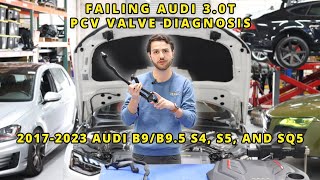
- PCV System Failure: A related issue involves the Positive Crankcase Ventilation (PCV) system. A check valve in the PCV breather hose is known to fail, allowing boost pressure to enter the crankcase. This can cause oil leaks and other driveability problems. A TSB has been issued for this specific hose failure. 🎬 Watch: How to diagnose a failing PCV valve on Audi 3.0T engines.
As of early 2026, no specific NHTSA recalls have been issued for intake manifold failure on the listed Audi models. Always check the NHTSA website with your vehicle's VIN for the most current recall information.
Buying a Used Engine Intake Manifold

Purchasing a used OEM intake manifold can save you a significant amount of money compared to a new part from the dealer. However, it's crucial to inspect the part carefully to ensure you're getting a good one. These manifolds are made of plastic and contain moving parts, so a thorough check is essential.
What to Inspect:
- Verify the Part Number: Multiple revisions of this manifold exist. The most current part number is 06M133268AD. It supersedes older versions like 06M133268AA and 06M133268P. Always match the part number from your old manifold or confirm compatibility with the seller.
- Check for Cracks: Carefully inspect the entire plastic housing, especially around the mounting points, seams, and vacuum ports. A crack will cause a vacuum leak, leading to poor engine performance.
- Test the Runner Flap Linkage: Locate the actuator arm on the side of the manifold. Gently try to move it by hand. It should move smoothly through its range of motion without binding or clicking. If it feels loose, gritty, or stuck, the internal mechanism is likely damaged.
- Inspect the Actuator: The vacuum actuator is a common failure point. Check its housing for cracks. If possible, use a handheld vacuum pump to test if the diaphragm holds vacuum and actuates the arm. A diaphragm that doesn't hold vacuum is defective.
- Look at the Gaskets: While you should always install a used manifold with new gaskets, the condition of the old ones can give you clues about the part's history. Look for signs of oil or coolant leaks.
- Examine the Inside for Carbon: Look inside the runner ports. While some light carbon coating is normal, heavy, chunky buildup could indicate the donor engine had issues and may have caused the flaps to stick.
Warning: Be aware that some related parts, like specific breather hoses, may be sold only as an assembly with a new intake manifold from the dealer. When buying used, ensure you get the complete manifold assembly as pictured.
Cost Breakdown
Replacing the intake manifold can be a costly repair, primarily due to labor. The part itself is moderately priced, making a quality used OEM part an attractive option.
| Part/Service | Estimated Cost |
|---|---|
| New OEM Intake Manifold | $150 - $220 |
| New Aftermarket Intake Manifold | Not commonly available |
| Used OEM Intake Manifold | $90 - $150 |
| Shop Labor | $500 - $1500+ |
Note: Labor costs vary widely by location and the specific vehicle. On some models, like the SQ7, accessing and replacing the manifolds can be extremely labor-intensive, sometimes even requiring the engine to be removed for access, leading to significantly higher labor charges. On other platforms like the S4/S5, access is more direct.
Replacement Overview

- Difficulty: 3/5 (Moderate). Requires careful work around fuel lines and electrical connectors.
- Time: 2-5 hours, depending on the vehicle and mechanic's experience.
- Is DIY Feasible?: Yes, for an experienced DIY mechanic. It involves removing fuel rails and other sensitive components. A key step is ensuring the new manifold's runner flaps are in the open position during installation to prevent them from getting stuck closed. 🎬 See how to properly align and reinstall the intake manifold.
Frequently Asked Questions
Can I just clean the carbon out of my old intake manifold?
While cleaning carbon from the intake ports and valves is a recommended service, it usually won't fix a failed intake manifold. The common failure is mechanical breakage or wear in the flap mechanism or actuator, not just carbon buildup. If the flaps are simply sticking due to carbon, a cleaning might temporarily help, but if the fault codes P2006/P2007 are present, the manifold itself is likely faulty.
If the right-side manifold failed, should I replace the left one too?
It's not strictly necessary. The right-side (Bank 1) manifold is the most common one to fail. While the left-side (Bank 2) manifold could fail in the future, it's not typically replaced as a preventative measure unless the vehicle is already undergoing a major service that requires significant engine disassembly.
What happens if I keep driving with a bad intake manifold?
You can usually continue to drive the vehicle, but you will experience reduced performance, poor fuel economy, and a rough idle. Ignoring the problem for too long is not recommended, as the improper air-fuel mixture could potentially lead to other issues, such as damage to the catalytic converters over time.
Why does this part fit so many different Audi models?
All the vehicles listed share the same VAG (Volkswagen Auto Group) EA839 engine platform, which includes the 2.9L twin-turbo and 3.0L single-turbo V6 engines. Sharing engines and components across models like the A6, A8, Q7, and S4 helps the manufacturer reduce development and production costs.
Helpful Videos


Technical Specifications
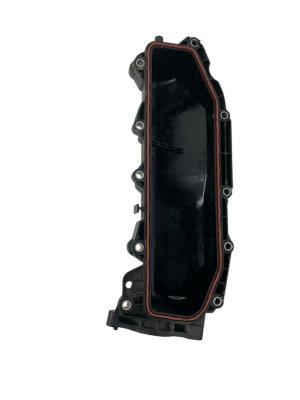
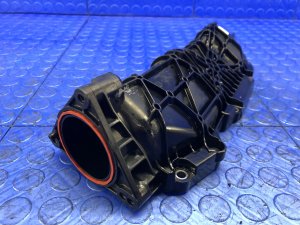
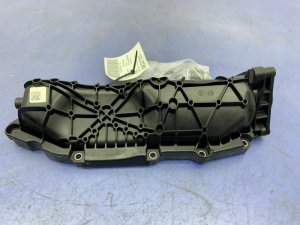
OEM Part Numbers: 06M133267AA 06M133268 06M133268AA 06M133268AD 06M133268P PAC133202
Fits right (passenger side) on Audi vehicles with 2.9L V6 Twin-Turbo and 3.0L V6 Turbo EA839 engines. Made of plastic with internal vacuum-actuated intake runner flaps.
We Have This Part in Stock




The information in this article is provided for general reference and educational purposes only. Vehicle specifications, procedures, and part compatibility can vary by production date, trim level, and region. Always consult your vehicle's factory service manual and verify part numbers before purchasing or performing repairs. Safety-critical components such as airbags, seat belts, and braking systems should be installed by a qualified professional.
- AUDI A8:
- AUDI A6:
- AUDI Q7:
- AUDI S4:
- AUDI S5:
- AUDI SQ5:
- AUDI A7:
- AUDI Q8:
- AUDI S6:
- AUDI S7:
- AUDI RS5:
- Audi A6 Quattro:
- Audi A7 Quattro:
- Audi A8 Quattro:
- Audi Q7:
- Audi Q8:
- Audi RS5:
- Audi S4:
- Audi S5:
- Audi S6:
- Audi S7:
- Audi SQ5:
- Porsche Cayenne:
- Porsche Panamera: