

Audi 2.0T Intake Manifold (2014-2017 A4, A5, Q5, allroad): Fixing the P2015 Fault Code
This guide covers the common intake manifold failures, symptoms, and repair options for the 2.0L Turbo engine in the Audi A4, A5, Q5, and allroad.
- The most common failure is a P2015 fault code caused by a worn internal stop for the intake runner flap actuator.
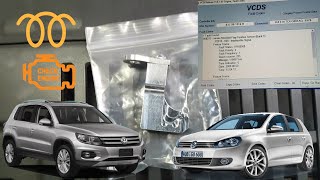
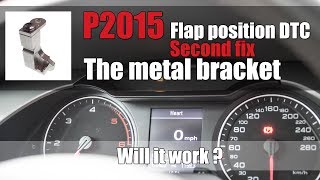
- An inexpensive metal 'P2015 repair bracket' can often fix the code without needing to replace the whole manifold.
- Replacement requires removing the fuel rail, making it the perfect time to perform a carbon cleaning on the intake valves.
- Compatibility is critical: this part only fits the 2.0L Turbo engine (codes CPM, CPMA, CPMB) and does not fit Q5 Hybrid models.
Common Failure: P2015 Fault Code and the Runner Flap System

The most widespread issue with the intake manifold on the 2014-2016 Audi A4, 2015-2016 Audi allroad, 2015-2017 Audi A5, and 2015-2017 Audi Q5 with the 2.0L Turbo engine is a failure related to the intake runner flap system. This almost always results in a Check Engine Light with the diagnostic trouble code P2015 - Intake Manifold Runner Position Sensor/Switch Circuit Range/Performance.
This fault occurs when the actuator motor that controls the runner flaps moves too far. The manifold has a small plastic stop that is supposed to limit the actuator's range of motion. Over time, this plastic stop wears down or breaks. When this happens, the actuator arm over-travels, and the position sensor sends a reading to the engine computer (ECU) that is outside of the expected range, triggering the P2015 code.
Symptoms of a Failing Intake Manifold

A failing intake manifold can present several symptoms, most of which are tied to the P2015 fault or vacuum leaks.
- Check Engine Light: This is the most common symptom. The primary code is P2015, but you may also see related codes like P2004, P2006, or general misfire codes (P0300-P0304).
- Rough Idle: The engine may shake, stutter, or have an unstable RPM at idle due to an incorrect air-fuel mixture.
- Reduced Engine Performance: You may notice sluggish acceleration, a loss of power, or a decrease in turbo boost pressure. This happens because the runner flaps are not in the optimal position for the engine's speed.
- Poor Fuel Economy: An inefficient air-fuel mixture will cause the engine to use more gasoline than usual.
- Hissing or Whistling Noises: A sucking or whistling sound from the engine bay, especially when accelerating, can indicate a vacuum leak from a cracked manifold or a bad gasket.
Diagnosing the Issue

- Scan for Codes: The first step is always to use an OBD2 scanner to read the diagnostic trouble codes. A P2015 code is a strong indicator of this specific issue.
- Visual Inspection: With the engine off, locate the intake manifold actuator motor on the side of the manifold. You can often see the black plastic linkage arm. Have a helper turn the ignition on (without starting the engine); the actuator should cycle. Watch the linkage arm for excessive movement. 🎬 Watch: How to inspect the runner linkage for excessive play. If it appears to move too far or seems loose, the internal stop has likely failed.
- Check for Vacuum Leaks: With the engine running, listen for hissing sounds around the manifold. You can carefully spray short bursts of brake cleaner or a propane torch (unlit) around the gasket areas. If the engine RPM changes, you have found a leak.
Pro Tip: Before assuming the entire manifold needs replacement for a P2015 code, investigate the P2015 repair bracket. This inexpensive metal part can be installed on the manifold to provide a new, durable stop for the actuator, often fixing the problem for a fraction of the cost of a new manifold.
🎬 See how to install the metal P2015 repair bracket.Known Issues, TSBs, and Recalls
While there isn't a specific NHTSA recall for the intake manifold on these Audi models, the issue is well-documented across the Volkswagen/Audi platform. Volkswagen issued a limited warranty extension for the intake manifold on some models with the same engine family to 10 years or 120,000 miles, highlighting the frequency of the failure. While this specific warranty may not apply to your Audi, it confirms the part's known weakness.
It is important to distinguish this issue from other recalls. For example, many of these same vehicles were recalled for a faulty electric after-run coolant pump (NHTSA 18V229), which can be a fire risk but is unrelated to the intake manifold's function.
Buying a Used Engine Intake Manifold

A used OEM manifold can be a cost-effective solution, especially since new aftermarket parts can be of questionable quality and new OEM parts are expensive. Here’s what to check before buying:
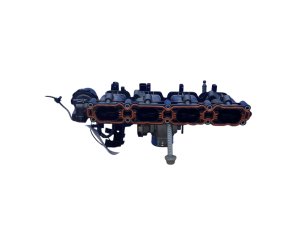
- Check for Cracks: Carefully inspect the entire plastic and aluminum housing, especially around the mounting points and seams. Any visible cracks mean the part is junk.
- Test the Runner Flaps: Look inside the runner ports and find the flap linkage. Try to move it by hand. It should move smoothly without binding or sticking. If the flaps are seized, the manifold is not usable.
- Inspect the Actuator Linkage: Check the small plastic ball and socket joints on the actuator arm for excessive play or damage.
- Verify Compatibility: This is critical. Ensure the part comes from a vehicle with a 2.0L Turbo engine and matches the engine codes CPM, CPMA, or CPMB. The part numbers 06H133201AR, 06H133201S, or 06K133062 should be visible. Do not use a manifold from a Q5 Hybrid.
- Don't Worry About the P2015 Stop: Even if the seller can't guarantee the internal actuator stop is perfect, a used manifold can still be a good buy if it's otherwise in good condition. You can proactively install a P2015 repair bracket on the used manifold before installation to ensure longevity.
Replacement Difficulty and Procedure
Replacing the intake manifold is a moderately difficult job that requires patience and the right tools. It involves the fuel system, so proper precautions must be taken.
- Difficulty Rating: 3.5 out of 5
- Estimated Time: 3-5 hours for a DIY mechanic
General Steps:
- Disconnect the battery and relieve fuel system pressure.
- Remove the engine cover and disconnect various electrical connectors and vacuum hoses attached to the manifold.
- Disconnect the high-pressure fuel line from the fuel rail. Use caution as fuel will spill.
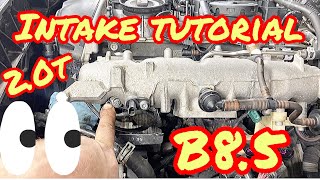
- Unbolt and carefully lift the fuel rail with the injectors attached. It's highly recommended to replace the fuel injector seals and O-rings at this time. 🎬 Watch this walkthrough for removing the manifold and fuel injectors.
- Unbolt the intake manifold from the cylinder head and remove it from the vehicle.
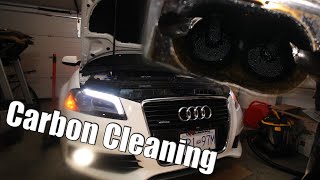
- Carbon Cleaning: With the manifold off, you will have direct access to the intake ports on the cylinder head. These direct-injection engines are notorious for carbon buildup on the intake valves, which causes misfires and poor performance. It is strongly recommended to perform a carbon cleaning service at this time.
- Installation is the reverse of removal. Use a new intake manifold gasket and torque all bolts to factory specifications.
Warning: The fuel system is under high pressure. Always relieve the pressure before disconnecting any fuel lines to prevent fire and injury. Wear safety glasses.
Cost Comparison
Prices can vary based on location and supplier. Labor costs for professional installation typically range from $300 to $600, often including carbon cleaning.
| Part Type | Estimated Cost |
|---|---|
| New OEM | $450 - $650 |
| New Aftermarket | $200 - $400 |
| Used OEM | $75 - $220 |
| P2015 Repair Bracket Only | $20 - $50 |
| Shop Labor | $300 - $600 |
Frequently Asked Questions (FAQ)
Can I just ignore the P2015 code?
You can drive with the P2015 code, but you will have a persistent Check Engine Light, which will prevent you from passing emissions tests. You will also experience reduced performance and fuel economy. Ignoring it long-term is not recommended.
Is the P2015 repair bracket a permanent fix?
For many owners, yes. If the only problem is the worn plastic stop on the manifold, the metal repair bracket provides a much more durable limit for the actuator arm and can permanently solve the P2015 code without needing to replace the entire manifold.
Do I really need to do a carbon cleaning?
It is highly recommended. Since 90% of the labor for carbon cleaning is removing the intake manifold, it is the perfect time to do it. Carbon buildup on the intake valves is a guaranteed issue on these direct-injection engines and will eventually cause performance problems if not addressed.
Will this part fit my Audi Q5 Hybrid?
No. This intake manifold is specifically for the 2.0L Turbo gasoline engine with engine codes CPM, CPMA, or CPMB. It does not fit the hybrid variants of the Audi Q5.
Helpful Videos

Technical Specifications
OEM Part Numbers: 06H133201AR 06H133201S 06K133062
Fits 2.0L Turbo engines with engine codes CPM, CPMA, or CPMB. Manifold construction is a combination of aluminum and plastic.
We Have This Part in Stock



The information in this article is provided for general reference and educational purposes only. Vehicle specifications, procedures, and part compatibility can vary by production date, trim level, and region. Always consult your vehicle's factory service manual and verify part numbers before purchasing or performing repairs. Safety-critical components such as airbags, seat belts, and braking systems should be installed by a qualified professional.
- Audi A4:
- Audi allroad:
- Audi A5:
- Audi Q5:
- 🎬 Helpful Videos
- 🛍️ Shop This Part
- Common Failure: P2015 Fault Code and the Runner Flap System
- Symptoms of a Failing Intake Manifold
- Diagnosing the Issue
- Known Issues, TSBs, and Recalls
- Buying a Used Engine Intake Manifold
- Replacement Difficulty and Procedure
- Cost Comparison
- Frequently Asked Questions (FAQ)
- 🎟️ Get 5% Off