

2014-2020 BMW i8 Harmonic Balancer: Decoding Engine Vibrations and Preventing Failure
This guide covers the symptoms, inspection, and replacement of the crucial engine harmonic balancer for the 2014-2020 BMW i8, a part whose failure can lead to severe engine damage.
- Do not drive with a suspected bad harmonic balancer; failure can be catastrophic and lead to severe engine damage.
- The primary symptom is engine vibration, but on an i8, worn engine mounts are a more common cause and should be checked first.
- Replacement is extremely difficult due to the mid-engine layout, making labor costs high. This is not a typical DIY job.
- When buying a used balancer, meticulously inspect the rubber ring for cracks or separation, as this is the primary failure point.
Symptoms of a Failing Harmonic Balancer
A failing harmonic balancer on a BMW i8 can be subtle at first, but the symptoms will worsen over time. Ignoring them can lead to catastrophic engine damage. While engine vibration can also be caused by worn engine mounts, which are a more common issue on the i8, it's critical to consider the harmonic balancer as a potential cause.
1. Increased Engine Vibration
The most common symptom is a noticeable increase in engine vibration, which can be felt in the cabin, floor, or steering wheel. This vibration may be most apparent at idle or at specific RPM ranges and is caused by the balancer's inability to absorb the engine's natural harmonics.
2. Unusual Noises from the Engine Bay
A rattling, knocking, or chirping sound that changes with engine RPM can indicate a failing balancer. This noise is often caused by the rubber insulator deteriorating, allowing the inner hub and outer ring of the pulley to separate and make contact.
3. Visible Wobble or Damage
If you can safely observe the pulley while the engine is running (a difficult task on the mid-engine i8), a visible wobble is a definitive sign of failure. With the engine off, you can perform a visual inspection. Look for cracks, bulging, or missing chunks of rubber in the insulating ring between the inner and outer sections of the pulley.
4. Serpentine Belt Issues
As the balancer fails, it can wobble or become misaligned, causing the serpentine belt to squeal, fray, or even be thrown off the pulleys entirely. If the belt comes off, the i8's gasoline engine will lose its starter-generator and a coolant pump, causing the car to stall and potentially overheat.
Buying a Used 2014-2020 BMW i8 Harmonic Balancer
Given the high cost of a new OEM harmonic balancer and the lack of aftermarket options, a quality used OEM part is an excellent choice. However, careful inspection is essential, as this is a part that wears out. A bad used part is no better than the one you are replacing.
What to Inspect Before Buying:
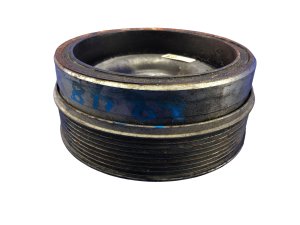
- The Rubber Insulator: This is the most critical inspection point. Look at the rubber ring sandwiched between the inner hub and the outer pulley ring. Reject any balancer that shows signs of dry rot, cracking, separation from the metal, or bulging. The rubber should be firm and intact all the way around.
- Inner Hub and Outer Ring Test: Place the balancer on a flat surface. Try to wiggle the outer ring separately from the inner hub. There should be absolutely no play or movement between the two pieces. Any movement indicates the rubber bond has failed.
- Pulley Grooves: Run your finger through the serpentine belt grooves on the outer ring. They should be smooth and free of significant rust, chips, or damage that could shred a new belt.
- Overall Condition: Avoid parts with heavy corrosion, dents, or signs of being dropped. While cosmetic, severe damage could indicate a structural problem.
Pro Tip: Ask the seller for clear, high-resolution photos of the front, back, and especially the rubber ring. If buying locally, perform the physical inspection yourself. Contamination from oil can accelerate rubber failure, so be wary of parts that are coated in old engine oil.
Known Issues, TSBs, and Recalls
As of mid-2024, there are no specific recalls or Technical Service Bulletins (TSBs) issued by BMW or the NHTSA for widespread failure of the engine harmonic balancer on the 2014-2020 BMW i8. This indicates that failures are treated as individual component wear-and-tear rather than a systemic manufacturing or design defect. Other unrelated recalls have been issued for the i8 for items such as the fuel tank and Dynamic Stability Control.
Replacement Overview and Difficulty
Replacing the harmonic balancer on a BMW i8 is a mechanically straightforward task made extremely difficult by the vehicle's mid-engine design. Access to the front of the B38 engine, which is mounted transversely behind the passenger cabin, is exceptionally tight.
- Difficulty Rating: 5 out of 5 (Professional Level)
- DIY Feasibility: Not recommended for DIY mechanics without extensive experience and proper lifts/tools.
- General Steps: The process involves gaining access to the engine's accessory belt area, releasing the belt tensioner to remove the serpentine belt, unbolting the old harmonic balancer from the crankshaft hub, installing the new balancer, and reinstalling the belt. New stretch-to-yield bolts are often required.
Warning: Due to the mid-engine layout, significant disassembly of panels and components within the engine bay is required to even access the pulley. This job is best left to a qualified technician familiar with the i8 platform.
| Item | Estimated Cost |
|---|---|
| New OEM (Dealer) | $450 - $600 |
| New Aftermarket | Not Available |
| Used OEM | $150 - $300 |
| Shop Labor | $450 - $750 |
(Cost estimates are for parts and labor in the US market as of 2024 and can vary by location and supplier.)
Frequently Asked Questions (FAQ)
Can I still drive my BMW i8 with a bad harmonic balancer?
No. It is highly recommended to stop driving immediately. A complete failure can cause the serpentine belt to come off, leading to a loss of charging and cooling for the gasoline engine. Worse, the balancer could come apart violently, causing catastrophic damage to the engine, crankshaft, or surrounding components.
Is engine vibration always a sign of a bad harmonic balancer?
No. On the BMW i8, engine vibration is frequently caused by worn or failed engine mounts. Other potential causes include spark plug or ignition coil issues. It's important to have a technician perform a proper diagnosis to pinpoint the exact cause rather than immediately assuming it's the balancer.
Why is the labor cost to replace this part so high?
The high labor cost is due to the poor accessibility of the part. The i8's mid-engine layout means a technician must remove numerous panels and other components to reach the front of the engine where the pulley is located. This process is time-consuming and requires specialized knowledge.
Are there any aftermarket harmonic balancers available for the BMW i8?
Currently, there are no widely available aftermarket alternatives for the 2014-2020 BMW i8 harmonic balancer. Owners must choose between a new Genuine BMW part or a recycled/used OEM part.
Technical Specifications
OEM Part Numbers: 11237634196 7634196
Drives an 8-rib serpentine belt (Part No. 11287634195).
We Have This Part in Stock

The information in this article is provided for general reference and educational purposes only. Vehicle specifications, procedures, and part compatibility can vary by production date, trim level, and region. Always consult your vehicle's factory service manual and verify part numbers before purchasing or performing repairs. Safety-critical components such as airbags, seat belts, and braking systems should be installed by a qualified professional.
- BMW i8:
- 🛍️ Shop This Part
- Symptoms of a Failing Harmonic Balancer
- 1. Increased Engine Vibration
- 2. Unusual Noises from the Engine Bay
- 3. Visible Wobble or Damage
- 4. Serpentine Belt Issues
- Buying a Used 2014-2020 BMW i8 Harmonic Balancer
- What to Inspect Before Buying:
- Known Issues, TSBs, and Recalls
- Replacement Overview and Difficulty
- Frequently Asked Questions (FAQ)
- 🎟️ Get 5% Off