

1991-1997 Protege & 1994-1997 Miata 1.8L Harmonic Balancer Failure and Wobble
This guide covers the common failure symptoms, inspection points, and replacement costs for the 1.8L engine harmonic balancer found in the Mazda Protege and MX-5 Miata.
- The most common failure is the rubber bond breaking, causing a visible wobble and engine vibration.
- For the 1.8L Miata, a wobbly pulley can also indicate a more serious crankshaft keyway issue, not just a bad balancer.
- When buying used, thoroughly inspect the rubber for cracks and ensure there is no play between the inner and outer rings.
- This part generally fits 1.8L manual transmission models only, with a specific VIN cutoff for the 1997 Protege.
Symptoms of a Failing Harmonic Balancer
A failing harmonic balancer can cause a range of symptoms, from strange noises to serious engine vibrations. Because it's connected to both the crankshaft and the accessory belts, a failure can affect multiple systems. Ignoring these signs can lead to severe engine damage, including a broken crankshaft.
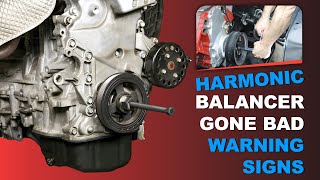
🎬 Watch: 5 signs your harmonic balancer is failing1. Visible Wobble or Separation
The most obvious sign of failure is a visible wobble from the main crankshaft pulley while the engine is running. You can often see this by shining a flashlight on the pulley at idle. When the rubber bonding layer fails, the outer ring can separate from the inner hub, causing it to spin erratically. You may also see visible cracks, splits, or bulging in the rubber layer between the metal sections.
2. Engine Vibrations
As the balancer's ability to absorb vibrations degrades, you'll feel it in the cabin. This often starts as a new or unusual vibration at idle that may get worse as engine speed increases. Since the balancer is designed specifically to dampen these vibrations, a noticeable increase in engine shake is a primary red flag.
3. Rattling, Squealing, or Chirping Noises
Failure of the rubber insulator can cause the metal parts to rattle or knock against each other, a sound that often changes with engine RPM. If the outer ring wobbles, it can misalign the accessory belts, causing them to squeal or chirp. This noise might be mistaken for a bad belt or tensioner, but it's often a symptom of the balancer itself.
4. Accessory Drive Issues and Belt Damage
A wobbling balancer can throw the accessory belts, leading to a sudden loss of power steering, alternator charging, and A/C. Even a slight wobble can cause premature wear and shredding of the belts. If you are repeatedly replacing belts, the harmonic balancer could be the root cause.
Miata Specific: Crank Wobble vs. Balancer Wobble
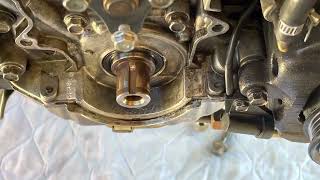
On 1.8L Miatas, a wobbly pulley can be a symptom of two different issues. One is a failed harmonic balancer, where the rubber has degraded. The other is the infamous "crank wobble," where the keyway on the crankshaft nose itself becomes damaged, causing the entire assembly (balancer and timing gear) to loosen. If replacing the balancer doesn't fix the wobble, the problem may lie with the crankshaft keyway or the pulley boss that sits between the balancer and the timing gear.
🎬 See how to fix a Miata pulley wobbleBuying a Used 1.8L Harmonic Balancer
A used OEM harmonic balancer is often a reliable and cost-effective choice, as factory parts are engineered for a precise fit and vibration frequency. However, careful inspection is critical, as the part's main failure point—the rubber—degrades with age and exposure.
What to Inspect Before Buying
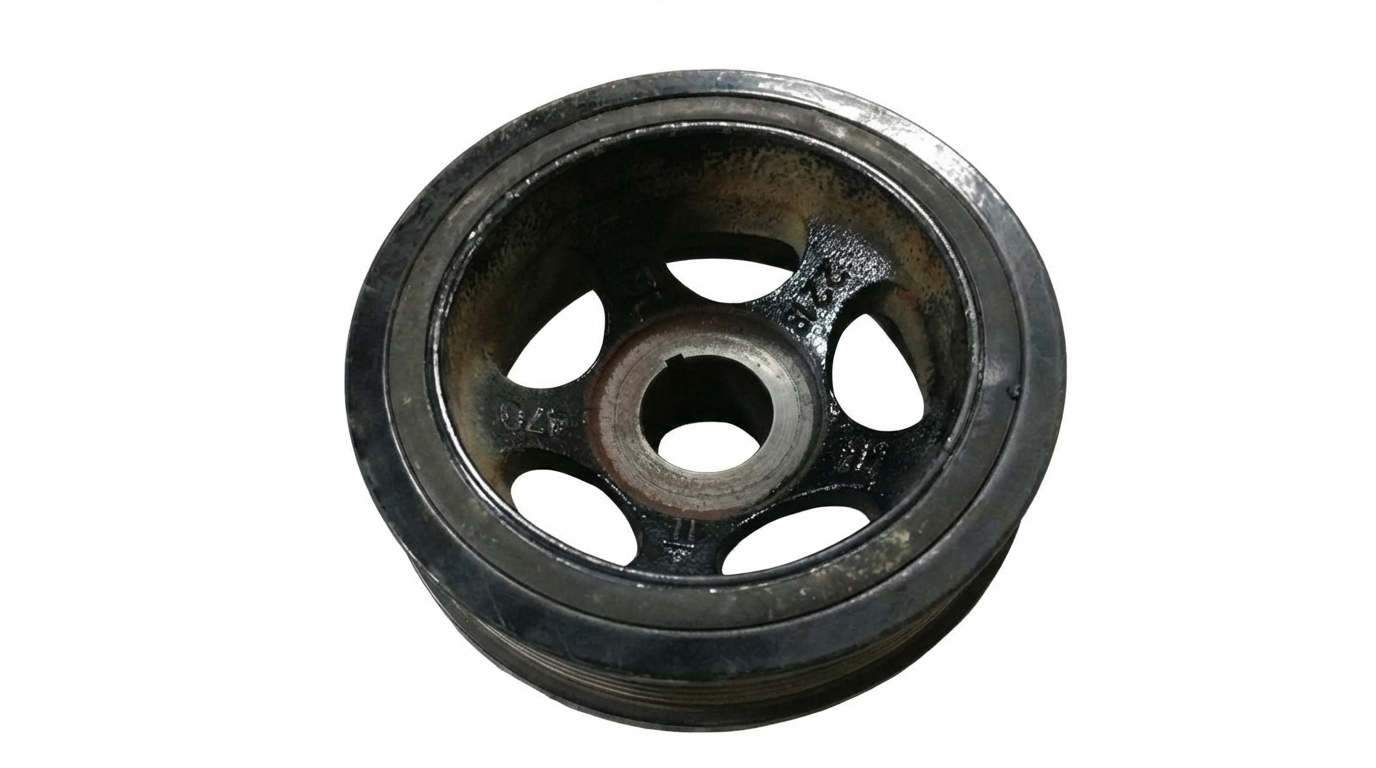
- Check the Rubber: This is the most important step. Look for any cracks, even small hairline ones, in the rubber ring. Check for bulging, missing chunks, or any signs that the rubber is dry-rotted or separating from the metal rings.
- Look for Separation: Hold the inner hub and try to move the outer ring. There should be absolutely no play or movement between the two pieces. Any wiggle indicates the bond is broken.
- Inspect the Keyway: Check the keyway slot on the inner hub. It should be clean and sharp, with no signs of being rounded out or damaged. A damaged keyway suggests the engine may have had a loose crank bolt, which is a major issue.
- Check for Oil Contamination: Look for signs that the balancer was soaked in oil. Leaking front main seals can saturate the rubber, causing it to swell and break down prematurely. A part that is clean or just has normal road grime is better than one coated in old engine oil.
- Examine the Pulley Grooves: Run your finger through the serpentine belt grooves. They should be smooth and free of chips or heavy rust that could damage a new belt.
Pro Tip: When possible, choose a used balancer from a lower-mileage vehicle that has been stored indoors. Heat, ozone, and sunlight all contribute to rubber degradation over time. A part from a 100,000-mile car stored in a garage is likely in better condition than one from a 75,000-mile car left outside in a hot climate.
Known Issues, Recalls, and TSBs
No recalls or Technical Service Bulletins (TSBs) were found specifically for harmonic balancer failure on the 1991-1997 Mazda Protege or 1994-1997 Mazda MX-5 Miata during research. However, the "crank wobble" issue on Miatas is a widely documented problem in owner forums. This issue is related to the design of the crankshaft nose and keyway, and while it can be caused by a failed balancer, it is often a separate mechanical problem that a new balancer alone will not fix.
Cost of Replacement
The cost to replace the harmonic balancer varies depending on the parts source and labor rates. The job is straightforward for most mechanics, but requires removing the accessory belts.
| Part/Service | Estimated Cost |
|---|---|
| New OEM | $150 - $250 |
| New Aftermarket (Dorman, Dayco, etc.) | $50 - $140 |
| Used OEM | $40 - $85 |
| Shop Labor | $140 - $250 |
Frequently Asked Questions (FAQ)
Will this harmonic balancer fit my automatic transmission Protege or Miata?
No, this specific part is listed for manual transmission models only. The initial data specifies this limitation for 1996-1997 Proteges, and it's a common distinction for these parts. Always verify fitment with your vehicle's specific details.
What is the VIN split for the 1997 Mazda Protege?
The provided data indicates a fitment change for the 1997 Protege. This part is stated to fit vehicles with a VIN before 181335. If your 1997 Protege has a later VIN, this part may not be correct. This was a common practice for mid-year production changes.
My pulley still wobbles after replacing the harmonic balancer. What's wrong?
On a 1.8L Miata, if a new balancer doesn't fix the wobble, the issue is likely with the pulley boss or a damaged keyway on the crankshaft itself. This is a more involved repair that may require a special "crank saver" kit or, in severe cases, crankshaft replacement.
Do I need a special tool to replace the harmonic balancer?
Yes, you will typically need a harmonic balancer puller to remove the old unit without causing damage. You will also need a torque wrench to properly tighten the main crankshaft bolt upon installation. Using pry bars or a hammer can damage the crankshaft or the new part.
Helpful Videos
Technical Specifications
OEM Part Numbers: BPD3-11-401A KBPD311401A B57711401 B6BF11401 BPD3-11-401 BPD311401 BPD311401A BPD4-11-401
Engine: 1.8L BP I4. Transmission: Manual Only. Drive Belt Type: Serpentine.
We Have This Part in Stock


The information in this article is provided for general reference and educational purposes only. Vehicle specifications, procedures, and part compatibility can vary by production date, trim level, and region. Always consult your vehicle's factory service manual and verify part numbers before purchasing or performing repairs. Safety-critical components such as airbags, seat belts, and braking systems should be installed by a qualified professional.
- Mazda Protege:
- Mazda MX-5 Miata:
- 🎬 Helpful Videos
- 🛍️ Shop This Part
- Symptoms of a Failing Harmonic Balancer
- 1. Visible Wobble or Separation
- 2. Engine Vibrations
- 3. Rattling, Squealing, or Chirping Noises
- 4. Accessory Drive Issues and Belt Damage
- Buying a Used 1.8L Harmonic Balancer
- What to Inspect Before Buying
- Known Issues, Recalls, and TSBs
- Cost of Replacement
- Frequently Asked Questions (FAQ)
- 🎟️ Get 5% Off