

2012-2020 Mazda 3, 6 & CX-5 Cylinder Head: Decoding Cracking Issues & Engine Variants
This guide explains the common cracking failures on 2.0L and 2.5L Skyactiv cylinder heads, focusing on the oil leak issue in engines with Cylinder Deactivation.
- The most common failure is a crack in the cylinder head on 2.5L non-turbo engines with Cylinder Deactivation (2018+), which causes a major OIL leak.
- This is a different issue from the crack on 2.5L TURBO engines, which causes a COOLANT leak. Verify your engine before diagnosing.
- Replacement is a professional-level job costing between $4,000 and $7,000. It is not a DIY project.
- When buying a used cylinder head, it is essential to have it pressure-tested and checked for warpage by a machine shop before installation.
Compatibility Warning: Not All Skyactiv Heads Are the Same

Critical: There are two widely-known but very different cylinder head cracking issues on Mazda Skyactiv engines. They affect different engines and have different symptoms. Do not confuse them:
- 2.5L Non-Turbo with Cylinder Deactivation: This head is known to crack and cause a major OIL LEAK. This is the primary issue affecting the 2018+ Mazda 3, Mazda 6, and CX-5.
- 2.5L Turbo (Not covered in this guide): This head is known to crack and cause a COOLANT LEAK near the exhaust manifold. This affects different models, such as the CX-9 and turbocharged versions of the CX-5 and Mazda 6. 🎬 Watch: Deep dive into the 2.5T turbo engine cracking defect
Before purchasing a replacement cylinder head, you must correctly identify your vehicle's engine. Using the wrong head will lead to installation failure and potential engine damage.
Engine & Cylinder Head Variations: 2012-2020
The Mazda 3, Mazda 6, and Mazda CX-5 used several versions of the Skyactiv engine during this period, each with a specific cylinder head design. The introduction of Cylinder Deactivation (CD) technology around 2018 is the most significant change.
| Engine Version | Key Features | Commonly Found In | Known OEM Head Part Numbers |
|---|---|---|---|
| 2.0L Skyactiv-G | Base engine, no cylinder deactivation. Generally considered reliable. | 2012-2018 Mazda 3, 2013-2016 Mazda CX-5 | PE01-10-100B, PE01-10-100C, PE0110100B, PE0110100C |
| 2.5L Skyactiv-G (Non-CD) | Larger engine, no cylinder deactivation. | 2014-2018 Mazda 3, 2017-2018 Mazda 6, 2014-2018 Mazda CX-5 | PEY2-10-SJ0 |
| 2.5L Skyactiv-G with Cylinder Deactivation (CD) | This is the engine known for the oil leak/cracking issue. | 2019-2020 Mazda 3, 2018-2020 Mazda 6, 2018-2020 Mazda CX-5 | PYFA-10-100E, PYFA-10-100F, PYFA10100F, PYY1-10-SJ0C |
Known Issues, TSBs, and Recalls

The 2.5L Cylinder Deactivation Head Crack (Oil Leak)
The most significant and costly issue is a manufacturing defect in the cylinder heads of some 2.5L Skyactiv-G engines equipped with Cylinder Deactivation. Forum and owner reports indicate that a flaw in the head casting can lead to a crack developing between cylinders 2 and 3, near an oil passage for the hydraulic lifter system.
- Symptom: The primary symptom is a sudden and significant oil leak from the passenger side of the engine, often dripping down the back of the engine and onto the exhaust or ground. 🎬 Watch: Real-world example of this 2.5L cylinder head oil leak This is frequently accompanied by a strong burning oil smell.
- Cause: This is believed to be a casting defect from the factory. Mazda modified the cylinder head design to accommodate the new components for cylinder deactivation, and this appears to have created a weak point.
- Solution: The only proper repair is to replace the entire cylinder head assembly. Mazda has issued service alerts and established new part numbers for complete head assemblies to address this, though it is not an official recall. Many owners have had this repaired under the powertrain warranty, but out-of-warranty repairs can be extremely expensive.
Rocker Arm and Lifter Issues (Cylinder Deactivation)
In addition to the head cracking, the cylinder deactivation system itself has been the subject of recalls and Technical Service Bulletins (TSBs). A 2019 recall addressed a software problem that could cause a rocker arm to come out of position, leading to misfires and potential engine damage. Other TSBs mention tapping or knocking noises from the hydraulic lash adjusters (lifters) bleeding down. While not a cylinder head failure itself, these issues occur in the same engines and are important for diagnosis.
Symptoms of a Failing Cylinder Head

- Sudden Major Oil Leak: For the 2.5L CD engines, this is the most definitive sign. You may see oil on the ground, on the passenger side of the engine block, or smell burning oil.
- Engine Overheating: A cracked or warped head can allow coolant to leak externally or internally, leading to a loss of coolant and causing the engine to run hot.
- White Smoke from Exhaust: If a crack allows coolant to enter the combustion chamber, it will be burned off and exit the tailpipe as sweet-smelling white steam.
- Milky, Foamy Engine Oil: This is a classic sign of a severe internal crack or head gasket failure that has allowed coolant and oil to mix. The oil on the dipstick or under the oil cap will look like a chocolate milkshake.
- Loss of Power and Misfires: A warped or cracked head can cause a loss of compression in one or more cylinders, leading to a rough idle, hesitation, and noticeable lack of power. This may trigger Check Engine Light codes like P0300 (Random Misfire) or P0301-P0304 (Cylinder-specific misfires).
- Bubbles in Coolant Reservoir: If combustion gases are forced into the cooling system through a crack, you may see a stream of bubbles in the coolant overflow tank, especially when the engine is running.
Buying a Used Engine Cylinder Head: What to Check
A used OEM cylinder head can be a cost-effective solution, but careful inspection is mandatory. A faulty used head will waste hundreds of dollars in gaskets and fluids and thousands in labor.
Pro Tip: Always have a used cylinder head professionally inspected and pressure tested by an automotive machine shop before installation. They can also check the deck surface for warpage and resurface it if necessary. This small investment can prevent catastrophic failure.
- Verify Compatibility: This is the most important step. Use the table above and the part number on the used head to ensure it matches your exact engine (2.0L, 2.5L, or 2.5L with CD). Do not assume they are interchangeable.
- Check for Cracks: Visually inspect the entire head, especially in common failure areas. For 2.5L CD heads, look closely at the casting between the center two cylinders. Also check around all valve seats and spark plug holes. Any visible crack means the head is junk.
- Inspect the Deck Surface: Lay a precision straightedge across the bottom surface of the head in multiple directions. Try to slide a feeler gauge underneath. If you can fit a gauge thicker than the manufacturer's specification (typically around 0.002-0.004 inches), the head is warped and will need to be resurfaced by a machine shop.
- Examine Threads: Check all threaded holes, especially for the spark plugs and exhaust manifold studs. Ensure none are stripped or damaged. Repairing threads (like with a Heli-Coil) is possible but adds cost and complexity.
- Look for Overheating Signs: Look for any areas of heat discoloration, which can be a sign the head was subjected to extreme temperatures that could cause unseen damage.
- Check Camshaft Journals: If the head includes camshafts, inspect the bearing surfaces (journals) for deep scoring or gouges. Smooth, polished surfaces are good; deep scratches are a red flag. 🎬 See: Complete teardown of a damaged Skyactiv 2.5 engine
Replacement Cost & Difficulty

Replacing a cylinder head is a major, complex, and expensive repair. It is not recommended for beginner or intermediate DIY mechanics.
- Difficulty Rating: 5 out of 5 (Professional level)
- Estimated Time: 15-20 hours
- DIY Feasible: No. This job requires specialized tools for timing the engine, a deep understanding of engine mechanics, and the ability to follow precise torque sequences.
| Part/Service | Estimated Cost |
|---|---|
| New OEM Cylinder Head | $1,200 - $1,800 |
| New Aftermarket Cylinder Head | $800 - $1,300 |
| Used OEM Cylinder Head | $400 - $900 |
| Shop Labor Cost | $2,500 - $4,500+ |
| Total Professional Replacement | $4,000 - $7,000+ |
Note: These costs do not include necessary related parts like a head gasket set, new head bolts (which are single-use), fluids (oil, coolant), and potential machine shop services for a used head.
Frequently Asked Questions (FAQ)
Is the Mazda cylinder head problem an oil leak or a coolant leak?
It depends on the engine. The common failure on the 2.5L non-turbo engine with Cylinder Deactivation (found in 2018+ models) is a crack that causes an oil leak. The separate issue on the 2.5L Turbo engine is a crack that causes a coolant leak.
Is there a recall for the cracking cylinder head?
No, as of late 2023, there is no official recall for the cracking cylinder head on either the non-turbo or turbo engines. Mazda has addressed the issue through Technical Service Bulletins (TSBs), which are repair instructions for dealers. Some repairs may be covered under the powertrain warranty or through dealer "goodwill" on a case-by-case basis, but it is not a guaranteed free repair for all owners.
Can I just weld or patch the crack in my cylinder head?
This is strongly discouraged. The cylinder head is under immense and constantly changing thermal and pressure stress. A weld is very likely to fail, and it will not address the underlying casting flaw. The only reliable, long-term solution is to replace the cylinder head.
How do I know if my 2.5L engine has Cylinder Deactivation?
Generally, if you have a 2018 or newer Mazda 3, Mazda 6, or Mazda CX-5 with the naturally aspirated (non-turbo) 2.5L engine, it is likely equipped with Cylinder Deactivation. The surest way to know is to check your vehicle's original window sticker or consult a Mazda dealer with your VIN. The affected engines are often identified by the part prefix 'PY' (e.g., PYFA).
Helpful Videos



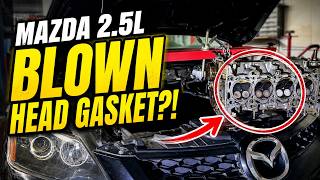
Technical Specifications
OEM Part Numbers: PE01-10-100B PE01-10-100C PE01-12-420 PE01-12-440 PE0110100B PE0110100C PE0112420 PE0112440 PEY2-10-SJ0 PYFA-10-100E PYFA-10-100F PYFA-12-420 PYFA-12-440A PYFA10100F PYFA12420 PYY1-10-SJ0C
Varies by engine type (2.0L, 2.5L, 2.5L with Cylinder Deactivation). Material: Aluminum Alloy. The key difference is the casting and oil passages to accommodate the hydraulic lash adjusters for the cylinder deactivation system on 'PY' series heads.
We Have This Part in Stock



The information in this article is provided for general reference and educational purposes only. Vehicle specifications, procedures, and part compatibility can vary by production date, trim level, and region. Always consult your vehicle's factory service manual and verify part numbers before purchasing or performing repairs. Safety-critical components such as airbags, seat belts, and braking systems should be installed by a qualified professional.
- Mazda 3:
- Mazda CX-5:
- Mazda 6:
- 🎬 Helpful Videos
- 🛍️ Shop This Part
- Compatibility Warning: Not All Skyactiv Heads Are the Same
- Engine & Cylinder Head Variations: 2012-2020
- Known Issues, TSBs, and Recalls
- The 2.5L Cylinder Deactivation Head Crack (Oil Leak)
- Rocker Arm and Lifter Issues (Cylinder Deactivation)
- Symptoms of a Failing Cylinder Head
- Buying a Used Engine Cylinder Head: What to Check
- Replacement Cost & Difficulty
- Frequently Asked Questions (FAQ)
- 🎟️ Get 5% Off