

2015-2024 Aston Martin & Mercedes 4.0L V8 Engine Cover: Causes of Rattling and Heat Damage
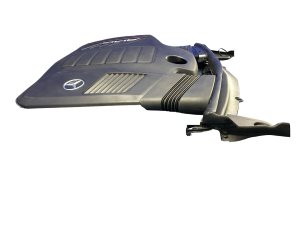
This guide covers the shared engine cover for the 2018-2024 Aston Martin Vantage, 2017-2023 DB11, and various 2015-2021 Mercedes-AMG models, focusing on common physical failures and what to look for in a used part.
- This engine cover fits multiple Aston Martin and Mercedes-AMG models because they all share the Mercedes-AMG M177 4.0L V8 engine.
- The most common failure symptom is a rattling noise caused by broken mounting clips or tabs.
- When buying a used cover, the most important things to inspect are the integrity of all mounting points and the condition of the underside heat shielding.
- Replacement is extremely easy and requires no tools, making it an ideal DIY task that takes less than 10 minutes.
The Shared Mercedes-AMG V8 Engine
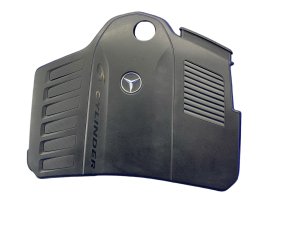
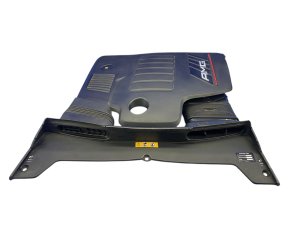
The primary reason this single engine cover fits a range of vehicles from both Aston Martin and Mercedes-Benz is the shared powertrain. The 2018-2024 Aston Martin Vantage and 2017-2023 Aston Martin DB11 (V8 models) use the M177 4.0L twin-turbo V8 engine supplied by Mercedes-AMG. This is the same fundamental engine found in the 2018-2020 Mercedes-Benz AMG GT, 2015-2021 C63 AMG and C63 AMG S, and 2018-2021 GLC63 AMG and GLC63 AMG S. Because the top-end layout of the engine is identical, the cosmetic and protective covers are interchangeable.
Symptoms of a Failing Engine Cover
Unlike a mechanical component, an engine cover's failure is typically physical and observable rather than performance-related. You will not get a 'Check Engine' light for a faulty cover. Instead, look for the following symptoms:
- Rattling or Buzzing Noises: This is the most common symptom. The noise may be most noticeable at idle or at specific RPM ranges. It is often caused by broken mounting clips or tabs, or by the cover itself vibrating against other engine components. While sometimes just an annoyance, a loose cover could potentially interfere with moving parts if it shifts significantly.
- Visible Cracks or Fractures: Over time, constant exposure to engine heat and vibration can make the plastic brittle. Cracks commonly form around the mounting points or along the edges.
- Heat Damage (Warping or Melting): In high-performance engines like the M177, extreme heat is a constant. If the underside heat shielding or insulation is damaged or missing, the plastic cover can warp, discolor, or even melt in spots closest to the turbochargers or exhaust manifolds.
- Faded or Brittle Appearance: Prolonged heat exposure can cause the plastic to fade and become brittle, making it more susceptible to cracking during removal or installation.
Pro Tip: Rattling noises from the engine bay can have many sources, including loose heat shields, worn belt tensioners, or suspension components. Before condemning the engine cover, press down firmly on it with the engine running (be careful of hot surfaces) to see if the noise changes or stops. This can help you isolate the source of the rattle.
Known Issues, TSBs, and Recalls
There are no known recalls or widespread Technical Service Bulletins (TSBs) specifically for the engine covers on these Aston Martin or Mercedes-AMG models. Recalls for these vehicles have focused on more critical safety systems like airbags, steering components, and oil cooler lines. Any issues with the engine cover are typically considered cosmetic wear and tear and are not safety-related.
Vehicle-Specific Notes
- Aston Martin DB11: It is critical to distinguish between the V8 and V12 models. This engine cover is ONLY for the V8, which uses the Mercedes-AMG engine. The V12 DB11 has a completely different engine and corresponding cover. Aston Martin also offers optional carbon fiber engine covers as a premium accessory for the DB11.
- Mercedes-Benz C63/GLC63 AMG: Owners on forums frequently report various creaks and rattles from the interior of these vehicles, particularly from the panoramic roof and door panels. While unrelated to the engine cover, it's worth noting that these models can be prone to cabin noises, so it's important to correctly diagnose the source of any sounds.
Buying a Used Engine Cover: What to Inspect
Purchasing a used OEM engine cover is a smart way to save money, as it is a non-mechanical, cosmetic part. However, a thorough inspection is crucial to ensure you get a quality component.
- Check All Mounting Points: This is the most critical inspection point. Carefully examine every tab, clip receptacle, and bolt hole. Look for stress fractures, which appear as thin white lines in the plastic. Ensure none of the tabs are broken off, as even one missing mount can lead to persistent rattling.
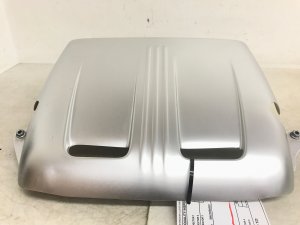
- Inspect the Underside: Flip the cover over and check the condition of the heat-shielding material. This is often a foam pad or a foil layer. It should be fully intact and securely attached. If it is peeling, crumbling, or missing, the cover will be more susceptible to heat damage from the engine.
- Look for Warping: Place the cover on a flat surface to check for any warping. A warped cover may not sit correctly on the engine, leading to fitment issues and potential rattles.
- Examine for Cracks and Heat Damage: Check the entire surface, especially areas that would sit above the turbochargers (located in the 'V' of the engine), for any signs of melting, discoloration, or bubbling.
- Verify Part Numbers: If possible, match the part number on the used cover to your original part or the numbers listed in this guide to ensure compatibility.
Cost Comparison
| Part Type | Estimated Cost | Notes |
|---|---|---|
| New OEM | $250 - $500+ | Price varies significantly between Mercedes-Benz and Aston Martin dealers for essentially the same part. |
| New Aftermarket | $200 - $400 | Limited availability. Some companies offer custom-painted or carbon fiber versions. |
| Used OEM | $100 - $250 | A cost-effective option for a cosmetic part. Prices depend on condition and seller. |
| Shop Labor | $25 - $75 | Installation is very quick, typically taking less than 15 minutes. Most shops will charge a minimum fee. |
Installation Guide
Replacing the engine cover is one of the easiest DIY tasks you can perform on these vehicles.
- Difficulty: 1 out of 5
- Estimated Time: 5-10 minutes
- Tools Needed: None (for most versions)
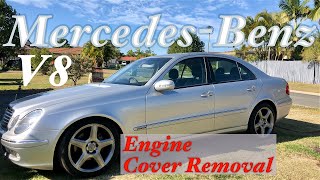
The engine cover is held in place by several ball-and-socket style clips. To remove it, simply get a firm grip on the edges and lift straight up with steady, even pressure. 🎬 Watch: How to safely pop off the V8 engine cover You will feel and hear the clips pop out of their rubber grommets. To install the new cover, align it over the mounting posts on the engine and press down firmly until you feel each corner click securely into place.
Warning: Always perform this task on a cold engine to avoid burns. The engine and its components can become extremely hot.
Frequently Asked Questions (FAQ)
Why does my Aston Martin have a Mercedes-Benz engine part?
Through a technical partnership, Aston Martin uses the 4.0L twin-turbo V8 engine (known as the M177) designed and built by Mercedes-AMG 🎬 See a close-up look at the Vantage V8 engine bay for its V8 versions of the DB11 and Vantage. This partnership allows Aston Martin to utilize a well-regarded, high-performance engine platform.
Can I drive my car without the engine cover?
Yes, it is safe to drive without the engine cover. It is primarily a cosmetic and sound-deadening part and its absence will not affect the engine's performance or reliability. Some owners remove them for better heat dissipation, especially during track use, or simply because they prefer the look of the uncovered engine.
Will an engine cover from a C63 AMG fit my Aston Martin Vantage?
Physically, the covers should be interchangeable as they mount to the same M177 engine. However, the branding and logos on the cover will be different (e.g., an AMG logo versus an Aston Martin badge). For a direct, factory-correct replacement, it is best to order the part specific to your vehicle's brand.
How should I clean my engine cover?
For routine cleaning, use a soft microfiber towel and a gentle all-purpose cleaner or a dedicated plastic and rubber protectant. Avoid using harsh degreasers or high-pressure water, as this can damage the finish and potentially force water into sensitive electrical components underneath.
Helpful Videos

Technical Specifications
OEM Part Numbers: HY53-08-10001 JY53-10335-AC JY53-6N022-AC JY53-6N023-AC JY5310335AC JY536N022AC 1771501375 A1771501375
Material: Heat-resistant polymer/composite with integrated foam or foil heat shielding.
We Have This Part in Stock

The information in this article is provided for general reference and educational purposes only. Vehicle specifications, procedures, and part compatibility can vary by production date, trim level, and region. Always consult your vehicle's factory service manual and verify part numbers before purchasing or performing repairs. Safety-critical components such as airbags, seat belts, and braking systems should be installed by a qualified professional.
- Aston Martin Vantage:
- Aston Martin DB11:
- Mercedes-Benz AMG GT:
- Mercedes-Benz C63 AMG:
- Mercedes-Benz C63 AMG S:
- Mercedes-Benz GLC63 AMG:
- Mercedes-Benz GLC63 AMG S: