

2007-2009 Mazda CX-7 & 2006-2010 Mazda 5 Cooling Fan Module Failure: Overheating and Diagnosis
This in-depth guide covers the common symptoms, diagnosis, and replacement of the engine cooling fan module for the Mazda CX-7 and Mazda 5, a frequent cause of overheating.
- Failure of this module is a very common cause of overheating in the 2007-2009 Mazda CX-7 and 2006-2010 Mazda 5.
- The Mazda CX-7 has two separate fan modules, while the Mazda 5 has only one.
- This module is plug-and-play and does NOT require any dealer programming after installation.
- Symptoms include fans that won't turn on, fans that won't turn off (draining the battery), and poor A/C performance at idle.
Symptoms of a Failing Cooling Fan Module


A bad cooling fan module can cause a range of symptoms, from annoying to critical. Because the fans are essential for engine cooling and A/C performance, a failure is usually noticeable.
- Engine Overheating at Idle: This is the most common and serious symptom. When the vehicle is stopped in traffic, there is no natural airflow through the radiator. If the fans don't turn on because the module has failed, the engine temperature will quickly rise, potentially causing major engine damage.
- Fans Run Constantly: The module can fail in an 'on' state, causing the cooling fans to run continuously, even when the engine is cold. This can drain the battery if the fans continue to run after the engine is turned off.
- Fans Do Not Turn On: The opposite of the above, the module can fail to send power to the fans entirely. The engine may not overheat while driving at highway speeds, but will as soon as you slow down or stop.
- Poor Air Conditioning Performance: The A/C system requires airflow across the condenser (which looks like a small radiator) to cool the refrigerant. The radiator fans provide this airflow. If the fans aren't working, the A/C will not blow cold air, especially when the vehicle is stationary.
- Check Engine Light: A failure in the cooling fan circuit can trigger a diagnostic trouble code (DTC) and illuminate the check engine light. Common codes associated with this issue include P0480 (Cooling Fan 1 Control Circuit Malfunction) and P0481 (Cooling Fan 2 Control Circuit Malfunction).
Vehicle-Specific Information and Known Issues

While the Mazda CX-7 and Mazda 5 share this part, there are important differences in their cooling fan systems.
2007-2009 Mazda CX-7
The Mazda CX-7 uses a dual-fan setup, and each fan has its own separate control module. This is a critical distinction. If only one fan is working, it points to a failure of the other fan's module or motor. One module is located in a relatively easy-to-access position on the fan shroud, while the second module is located under the engine's top-mounted intercooler, making it more difficult to reach and replace. Failure of these modules is a widely reported problem among CX-7 owners.
2006-2010 Mazda 5
The Mazda 5 typically uses a single cooling fan module to control its fan assembly. The module is mounted directly to the fan shroud. Forum discussions highlight issues where incorrect wiring repairs by previous owners or shops caused erratic fan behavior, such as the fan running when the A/C is off and stopping when it's on. This underscores the importance of verifying correct wiring if you suspect a problem.
Pro Tip: On both vehicles, the module is exposed to heat and moisture in the engine bay, which can lead to internal corrosion and failure of the electronic components. This is a common failure mode for this part type.
Diagnosing the Cooling Fan Module
Before condemning the module, perform a few simple checks:
- Check Fuses and Relays: Always start with the easiest things. Check the main fuse box in the engine bay for any fuses or relays related to the cooling fans. A simple blown fuse can mimic a failed module.
- Test the Fan Motor: You can test the fan motor itself by carefully applying 12-volt power directly to its connector. If the fan spins, the motor is likely good, and the problem is with the module or its inputs.
- Check Module Wiring: The module has a 3-pin connector for its inputs. This connector provides power (12V), ground, and a control signal from the engine computer (PCM). You can use a multimeter to verify you have power and ground. The third wire is a pulse-width modulated (PWM) signal, where the voltage changes to command different fan speeds.
- Use a Scan Tool: A bidirectional scan tool is the most effective way to diagnose the system. It allows you to directly command the fan to turn on at various speeds (e.g., 10%, 50%, 80%). If the fan responds to the scan tool commands, the module and fan motor are working, and the problem may lie with an input like the coolant temperature sensor. If the fan does not respond, and you have confirmed power and ground, the module is likely faulty.
Buying a Used Engine Cooling Fan Module
A used OEM module is often a smart and cost-effective choice compared to expensive new OEM parts or aftermarket units with questionable reliability. Here’s what to look for:
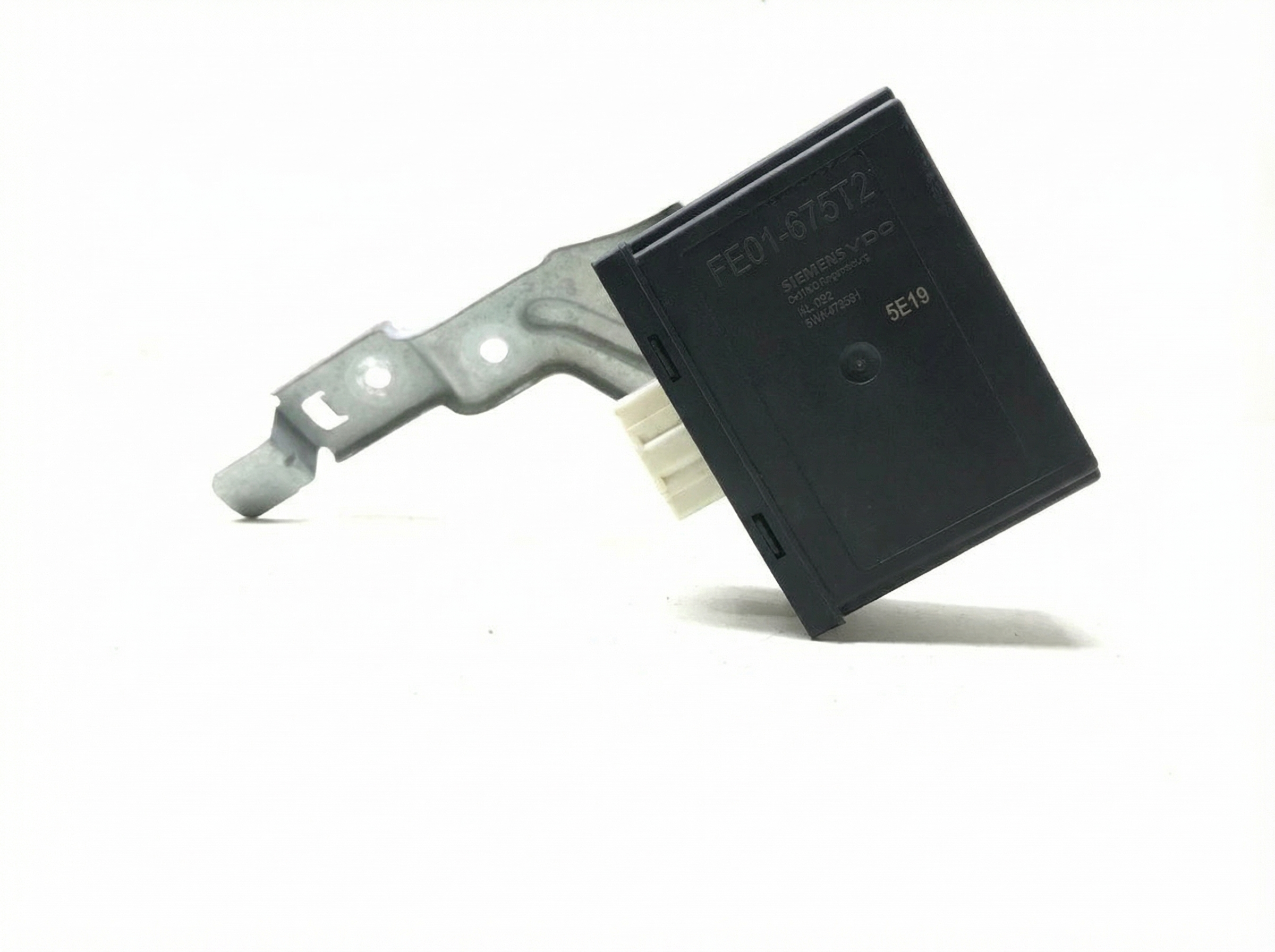
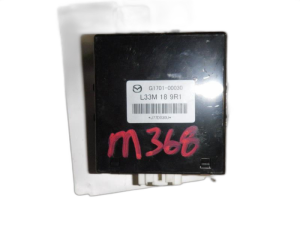
- Verify Part Numbers: Match the part number on your original module exactly. The most common numbers are 499300-3400 (Denso), L33L-15-15Y (Mazda), and LFB71515Y (Mazda). While they may interchange, an exact match is the safest bet.
- Inspect the Connectors: Look closely at the electrical pins inside the connectors. Avoid any module that shows signs of green or white corrosion, as this indicates water intrusion and is a primary cause of failure. The pins should be clean and straight.
- Check the Casing: Inspect the plastic and metal housing for any cracks, breaks, or signs of melting. A physically damaged module may have been compromised internally.
- Why Used OEM is a Good Choice: This is a part where failure is common across the board, including with new aftermarket units. A used OEM module that has been tested and comes from a reputable recycler offers the original manufacturer's quality and fitment at a fraction of the price. Cheap aftermarket electronics can have high failure rates, leading you to do the job twice.
Programming and Installation Notes
No programming is required. The engine cooling fan module on the Mazda CX-7 and Mazda 5 is a plug-and-play component. You do not need to visit a dealer or use special tools to program it to your vehicle. Simply disconnect the old module and connect the new one.
Warning: Always disconnect the negative battery terminal before working on the cooling fan system. The fans can turn on unexpectedly, even with the key out of the ignition, and can cause serious injury.
Cost Comparison
Prices can vary significantly based on the source of the part.
| Part Source | Estimated Price Range |
|---|---|
| New OEM | $350 - $500+ (Often only sold with fan assembly) |
| New Aftermarket | $25 - $400 |
| Used OEM | $25 - $95 |
| Shop Labor | $100 - $250 |
Frequently Asked Questions (FAQ)
Do I need to program a new cooling fan module?
No, this module does not require any programming or calibration. It is a direct-swap, plug-and-play part for both the Mazda CX-7 and Mazda 5.
Where is the cooling fan module located?
It is mounted directly onto the plastic radiator fan shroud in the engine bay. The Mazda 5 has one module. The Mazda CX-7 has two modules—one that is easy to see and access, and a second one hidden under the top-mounted intercooler.
Why do my fans stay on after I turn the car off?
While it's normal for fans to run for a few minutes after shutdown on a hot day to cool the engine (a feature called 'heat soak' protection), if they run for more than 10-15 minutes or run even when the engine is cold, it's a classic sign of a failed fan control module.
Can I replace just the module or do I need the whole fan assembly?
You can replace just the module. It is held onto the fan shroud with a couple of screws. Replacing only the failed module is much more cost-effective than replacing the entire fan assembly, which includes the fan motors and shroud.
Technical Specifications
OEM Part Numbers: 499300-3400 L33L-15-15Y LFB71515Y
Controls 12V DC fan motors via a Pulse-Width Modulated (PWM) signal from the PCM. Typically has a 3-pin input connector and a 2-pin output connector to the fan motor.
We Have This Part in Stock



The information in this article is provided for general reference and educational purposes only. Vehicle specifications, procedures, and part compatibility can vary by production date, trim level, and region. Always consult your vehicle's factory service manual and verify part numbers before purchasing or performing repairs. Safety-critical components such as airbags, seat belts, and braking systems should be installed by a qualified professional.
- Mazda CX-7:
- Mazda 5:
- 🛍️ Shop This Part
- Symptoms of a Failing Cooling Fan Module
- Vehicle-Specific Information and Known Issues
- 2007-2009 Mazda CX-7
- 2006-2010 Mazda 5
- Diagnosing the Cooling Fan Module
- Buying a Used Engine Cooling Fan Module
- Programming and Installation Notes
- Cost Comparison
- Frequently Asked Questions (FAQ)
- 🎟️ Get 5% Off