

1998-2005 Audi & VW Cooling Fan Module Failure: Overheating, Dead Battery & Replacement Guide
A complete guide to diagnosing and replacing the engine cooling fan control module on the Audi A4, A6, S4, allroad, and VW Passat to fix overheating and battery drain issues.
- This module is plug-and-play and does NOT require any programming or dealer visit for installation.
- The most common failure symptoms are engine overheating at idle and fans running constantly, draining the battery.
- Always check the 40-amp fan fuse before replacing the module, as it often blows when the module fails.
- A tested, used OEM module with part number 8D0959501C is the most reliable and cost-effective replacement option.
Symptoms of a Failing Cooling Fan Module

When the fan control module begins to fail, it can cause a range of confusing symptoms. Because it controls when and how fast the fans run, a bad module can leave you with an overheating engine or a dead battery. Watch for these specific signs:
- Engine Overheats at Low Speeds or Idle: This is the most common symptom. When you're stuck in traffic or parked with the engine running, there's no natural airflow through the radiator. If the module doesn't turn the fans on, the engine temperature will quickly climb into the red.
- A/C Blows Warm Air When Stationary: The A/C system needs airflow over the condenser (which looks like a second radiator) to work properly. If the fans aren't running when you're stopped, the A/C will stop blowing cold air, but may start working again once you're moving at speed.
- Fans Run Constantly, Draining the Battery: A common internal failure can cause the module to get stuck in the "on" position. This will make the cooling fans run at full speed continuously, even after you've turned the car off and removed the key. This will drain your battery overnight. 🎬 Watch this video on diagnosing fans that run with the car off
- Fans Don't Turn On at All: You may notice that the fans never spin up, even when the engine is hot or the A/C is on full blast.
- Check Engine Light: A failure in the cooling fan circuit can trigger the Check Engine Light. Common associated Diagnostic Trouble Codes (DTCs) include:
- P0480: Cooling Fan 1 Control Circuit Malfunction
- P0481: Cooling Fan 2 Control Circuit Malfunction
- P0691: Cooling Fan 1 Control Circuit Low
- 18070: Fan 2 Control Circuit Short to Ground (VAG-specific code)
Step-by-Step Diagnosis

Before you replace the module, a few simple checks can confirm it's the source of the problem.
- Check the Fuse First: The most common related failure is a large 40-amp fuse that powers the fan system. On the Audi A6 (C5), this fuse is often located in a panel under the driver's side knee bolster. On other models, check the main fuse box under the hood or on the side of the dashboard. If the fuse is blown, replacing it may be a temporary fix, but be aware that a failing module often draws too much current and causes the fuse to blow. If the new fuse blows immediately, the module is almost certainly bad.
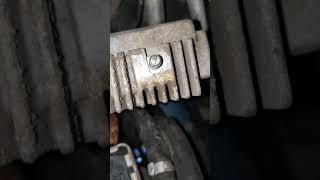
- Perform a Visual Inspection: Locate the module. It's a rectangular aluminum box with cooling fins, typically mounted low on the radiator support or frame rail on the driver's side. Unplug the connectors and inspect them for any green or white corrosion, which indicates water damage. Check the wiring for any obvious breaks or damage.
- Test the Fans Directly: To rule out a bad fan motor, you can bypass the control module. Unplug the main electrical connector going from the module to the fan assembly. Using jumper wires, carefully apply 12V power and ground directly to the fan's motor pins. If the fan spins, the fan motor is good, and the problem is likely the module or the signal wiring to it.
- Check for Power and Signal: Using a multimeter, check the main power connector going into the module. You should have a constant 12V on the thick power wire. Next, with the car running and A/C on, check the small signal wire from the ECM. You should see a variable voltage signal. If you have power going in and a signal from the ECM, but no power coming out to the fans, the module has failed internally.
Pro Tip: On vehicles with VCDS (VAG-COM) diagnostic software, you can run an "Output Test" on the Engine Control Module. This test will command the fan module to cycle the fans from 0% to 100% speed. If the fans do not respond during this test, it's a strong indication that the control module is faulty.
Buying a Used Engine Cooling Fan Module

For these vehicles, a used OEM module is often a smart and reliable choice. New aftermarket modules can be a gamble, with some failing prematurely due to lower-quality internal electronics.
What to Look For:
- Match the Part Number: The most critical step is to match the part number exactly. The most common and widely compatible part number is 8D0959501C. This number often supersedes earlier versions like 8D0959501A. Verify the number on your original part before ordering.
- Physical Inspection: When buying a used part, inspect the photos carefully or check the part in person. Look for a clean part with no signs of heavy corrosion on the aluminum housing or the electrical pins. Avoid units with cracked plastic connectors or any evidence of being submerged in water.
- Source and Warranty: Purchase from a reputable automotive recycler that offers a warranty. A 30-day or 90-day warranty provides peace of mind and ensures you have time to install the part and confirm it functions correctly.
- Why Used OEM is Often Better: The original factory (OEM) modules were built to a high standard. A used OEM part that has already proven its durability for years in another vehicle is often more reliable than a brand-new, cheaply made aftermarket clone. Given that this is a simple electronic controller with no moving parts, a tested used unit from a low-mileage vehicle is an excellent value.
Programming and Calibration Requirements
No Programming Required: This is a plug-and-play module. It does not need to be programmed, flashed, or coded to your vehicle's VIN. You can install a replacement module yourself without needing a trip to the dealer or a specialized shop. There is no link to the vehicle's anti-theft or immobilizer system.
Replacement Overview
Replacing the fan control module is a feasible DIY job for someone with basic mechanical skills. The difficulty is primarily related to access.
- Location: The module is almost always located on the lower driver's side of the radiator support frame or core support. You will need to remove the engine belly pan to see it from underneath.
- Access on VW Passat / Audi A4 / S4 (B5 Platform): Access is tight. It is typically held on by two 10mm bolts. It can often be replaced from underneath the car, but working space is limited.
- Access on Audi A6 / allroad (C5 Platform): Access is more challenging. While some have managed to replace it from underneath, it can be very difficult to reach the upper mounting bolt. The official and easiest method is to put the front bumper into the "service position" or remove it entirely, which provides direct access 🎬 See how to remove the front bumper on an Audi A4 to the module.
The replacement involves disconnecting the battery, unplugging the electrical connectors, removing the two mounting bolts, and swapping the module. No special tools are required beyond basic hand tools.
🎬 Watch this walkthrough of a B5 fan module replacement| Cost Comparison | |
|---|---|
| New OEM (Dealer) | $250 - $400+ (Estimate based on comparable parts) |
| New Aftermarket | $50 - $170 |
| Used OEM | $40 - $60 |
| Shop Labor Cost | $200 - $400 (1.5-2.5 hours) |
Frequently Asked Questions (FAQ)
Does a replacement fan control module need to be programmed?
No. For the 1998-2005 vehicles this part fits, it is a direct plug-and-play replacement. No special programming, coding, or dealer visit is required.
Can a bad fan control module drain my car's battery?
Yes. One of the most common failure modes is for the module's internal relay to get stuck in the 'on' position. This will cause the radiator fans to run at full speed even when the car is off, draining the battery completely, often overnight.
Why does my A/C only work when I'm driving on the highway?
This is a classic symptom of a failed fan control module. Your A/C system's condenser needs constant airflow to cool the refrigerant. When you're driving at speed, air is forced through it naturally. When you stop, the fans are supposed to take over. If they don't, the pressure in the A/C system gets too high, and it stops cooling effectively.
Is it safe to drive with a bad fan control module?
It is very risky and not recommended. If the module is failing to turn the fans on, your engine can severely overheat in stop-and-go traffic, potentially causing catastrophic damage like a warped cylinder head or blown head gasket. If the module is causing the fans to run constantly, you risk being stranded with a dead battery.
Helpful Videos
Technical Specifications
OEM Part Numbers: 8D0959501C 8D0959501A 8D0959493
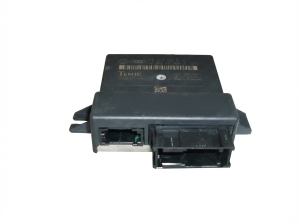
Rectangular aluminum housing with cooling fins. Typically has one 4-pin connector and two 2-pin connectors.
We Have This Part in Stock




The information in this article is provided for general reference and educational purposes only. Vehicle specifications, procedures, and part compatibility can vary by production date, trim level, and region. Always consult your vehicle's factory service manual and verify part numbers before purchasing or performing repairs. Safety-critical components such as airbags, seat belts, and braking systems should be installed by a qualified professional.
- Audi A4:
- Audi A6:
- Audi S4:
- Audi allroad:
- Volkswagen Passat: