

2009-2010 Pontiac Vibe & Toyota Matrix Cooling Fan Controller: Overheating, Diagnosis, and Replacement
This guide covers the common failure symptoms, replacement costs, and critical compatibility details for the engine cooling fan controller in your 2009-2010 Pontiac Vibe.
- This fan controller is a plug-and-play part and does NOT require any programming.
- Failure leads to two main symptoms: engine overheating at idle, or the fan running constantly and draining the battery.
- OEM parts catalogs indicate this part fits both 1.8L and 2.4L engines, but always verify the part number on your original unit before buying.
- Before replacing the controller, check for a simpler issue like a blown fuse.
Symptoms of a Failing Fan Controller
When the fan controller begins to fail, it typically causes obvious and predictable problems with the engine's cooling system. Look out for these common signs.
1. Engine Overheating at Idle or in Traffic
This is the most common symptom. If the controller fails to activate the fan, there is no airflow through the radiator when the vehicle is stationary. You'll notice the temperature gauge climbing towards the red zone when you're stopped, but it may return to normal once you start moving at higher speeds, as airflow from driving cools the radiator.
2. Cooling Fan Runs Constantly
A different type of failure can cause the controller to get stuck in the 'on' position. This will make the cooling fan run continuously, even when the engine is cold or after the car has been turned off. This creates excessive noise and can drain your battery overnight.
3. Air Conditioning Blows Warm Air When Stopped
The cooling fan is also responsible for pulling air across the A/C condenser, which is necessary for the air conditioning to work properly. If the fan isn't running when you're at a stop, the A/C system can't dissipate heat, and the air coming from your vents will become warm. The A/C may start blowing cold again once the car is moving.
4. Check Engine Light and Fault Codes
A malfunctioning fan control circuit will often trigger the Check Engine Light. Using an OBD-II scanner, you may find codes stored in the system. The most common code associated with this failure is P0480 - Cooling Fan 1 Control Circuit Malfunction. Other related codes like P0481 or P0482 may also appear.
Known Issues, Recalls, and Technical Service Bulletins (TSBs)
As of mid-2026, there are no specific recalls or TSBs from General Motors or Toyota for a widespread failure of the engine cooling fan controller on the 2009-2010 Pontiac Vibe.
However, owners should be aware of two major safety recalls that do affect these vehicles:
- NHTSA Campaign 10V024000: Addresses potential floor mat interference with the accelerator pedal.
- NHTSA Campaign 10018 / Toyota Recall: Relates to an accelerator pedal mechanism that may stick or be slow to return to idle.
- NHTSA Campaign 09V392000: For 1.8L models in cold weather states, this recall addresses a brake vacuum line port that could freeze, increasing stopping distance.
These recalls are not related to the cooling fan system, but are important for vehicle safety.
Important: 1.8L vs. 2.4L Engine Compatibility
Compatibility Note: There is conflicting information in the auto parts industry regarding which engine this controller fits. While many aftermarket sources specify it is for the 1.8L engine only, official Toyota parts catalogs for the 2009 Toyota Matrix (the Vibe's twin) show that part number 89257-12010 fits both the 1.8L and 2.4L engines for that model year. Aftermarket sellers also frequently list compatibility with both engines.
To ensure you get the right part, the best practice is to visually inspect your original controller and match the part number stamped on it. The module is located on the radiator fan shroud and is easily accessible.
Buying a Used Engine Cooling Fan Controller
A used OEM controller is often a smart and economical choice, as the original Denso-made units are high-quality. Cheap aftermarket clones can have a high failure rate or may not control the fan speeds correctly.
- Physical Inspection: When buying a used module, inspect the plastic housing for any signs of melting or cracking. Check the electrical connector pins to ensure they are straight, clean, and free of any green or white corrosion.
- Verify Part Numbers: The most reliable way to ensure compatibility is to match the OEM part number from your old unit to the used replacement. Common numbers are 89257-12010, 89257-12020, and Denso 499300-3400.
- Source Vehicle: Because this is an electronic part, its function is more important than its mileage. Prioritize a part that is clean and free from corrosion over one from a low-mileage vehicle that shows signs of water or physical damage. Avoid parts from vehicles that had a severe front-end collision.
Programming and Installation
Does this module need to be programmed?
No. The engine cooling fan controller for the 2009-2010 Pontiac Vibe is a plug-and-play part. It does not require any special programming, flashing, or calibration after installation. You simply install the new module, and it will function correctly. This makes it an excellent DIY-friendly repair.
Replacement Steps
- Disconnect the Battery: Always disconnect the negative battery terminal before working on any electrical components.
- Locate the Controller: The fan controller is mounted directly onto the plastic radiator fan shroud in the engine bay, making it easy to access.
- Disconnect Electrical Connector: Press the release tab and carefully pull the wiring harness connector off the module.
- Remove Mounting Bolts: The module is typically held in place by two small bolts. Remove these bolts.
- Install the New Module: Bolt the new controller onto the fan shroud, reconnect the electrical connector, and reconnect the negative battery terminal.
Pro Tip: Before replacing the controller, always check the simple things first. A blown fuse or a bad fan relay can cause similar symptoms and are cheaper to fix. You can also test the fan motor itself by carefully applying 12V power directly to its terminals to see if it spins.
Cost to Replace a Fan Controller
The cost can vary significantly depending on the type of part you choose. Labor costs are generally low due to the part's easy accessibility.
| Part or Service | Estimated Cost |
|---|---|
| New OEM (Toyota/GM) | $120 - $340 |
| New Aftermarket | $25 - $250 |
| Used OEM | $30 - $75 |
| Shop Labor | $75 - $150 |
Technical Specifications & Part Numbers
These part numbers are known to be interchangeable for the 2009-2010 Pontiac Vibe and its Toyota Matrix counterpart. Always verify the number on your specific part before ordering.
| Manufacturer | Part Number(s) |
|---|---|
| Toyota | 89257-12010, 89257-12020, 8925712010 |
| Denso (Original Mfr.) | 499300-3351, 499300-3400 |
| General Motors | 88975764 |
| Mazda (Interchangeable) | L33L1515Y |
Frequently Asked Questions (FAQ)
Does the 2009-2010 Vibe fan controller need to be programmed?
No, it does not. This is a direct-fit, plug-and-play module that requires no programming or dealer visit after installation.
Can a bad fan controller drain my car's battery?
Yes. If the controller fails in the 'on' position, it will cause the radiator fan to run continuously, even when the car is off. This will drain the battery, often overnight.
Where is the fan controller located on the Pontiac Vibe?
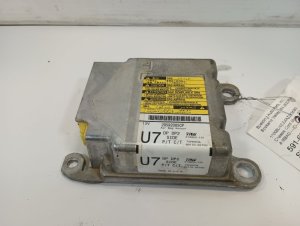
It is located on the radiator fan shroud in the engine compartment. It is a small, finned, rectangular module with a single electrical connector, held on by two bolts.
Is this part the same as a cooling fan relay?
No. A traditional relay is a simple on/off switch. This part is a solid-state controller module that allows for variable fan speeds based on a signal from the engine computer. It is a more sophisticated (and more expensive) component than a simple relay.
Technical Specifications
OEM Part Numbers: 89257-12010 89257-12020 8925712010 499300-3351 499300-3400 88975764 L33L1515Y
5-pin electrical connector. Mounts to radiator fan shroud with two bolts.
We Have This Part in Stock




The information in this article is provided for general reference and educational purposes only. Vehicle specifications, procedures, and part compatibility can vary by production date, trim level, and region. Always consult your vehicle's factory service manual and verify part numbers before purchasing or performing repairs. Safety-critical components such as airbags, seat belts, and braking systems should be installed by a qualified professional.
- Pontiac Vibe:
- 🛍️ Shop This Part
- Symptoms of a Failing Fan Controller
- 1. Engine Overheating at Idle or in Traffic
- 2. Cooling Fan Runs Constantly
- 3. Air Conditioning Blows Warm Air When Stopped
- 4. Check Engine Light and Fault Codes
- Known Issues, Recalls, and Technical Service Bulletins (TSBs)
- Important: 1.8L vs. 2.4L Engine Compatibility
- Buying a Used Engine Cooling Fan Controller
- Programming and Installation
- Does this module need to be programmed?
- Replacement Steps
- Cost to Replace a Fan Controller
- Technical Specifications & Part Numbers
- Frequently Asked Questions (FAQ)
- 🎟️ Get 5% Off