

1987-1991 Dodge Dakota Engine Fan Blade: Overheating, Cracks, and Replacement
This guide covers the common failure symptoms, inspection points for used parts, and replacement details for the 7-blade engine cooling fan on 1987-1991 Dodge Dakota models.
- This fan blade is specific to the 1987-1991 Dodge Dakota, primarily for the 3.9L V6, and should have 7 blades and an 18-inch diameter.
- The most critical failure is physical cracks in the blades, which can cause the fan to break apart and damage the radiator, hoses, and hood.
- Engine overheating specifically at idle or in slow traffic is the most common symptom of a failing fan system.
- When replacing the fan blade, it is highly recommended to inspect and consider replacing the fan clutch at the same time.
Symptoms of a Failing Engine Cooling Fan Blade
A failing fan blade can cause serious engine problems quickly. The most common signs point to either a lack of airflow or a dangerous imbalance caused by damage.
1. Engine Overheating at Idle or Low Speeds
This is the most common symptom. When you're driving at highway speeds, enough air is forced through the radiator to keep the engine cool. However, in stop-and-go traffic or when idling, the vehicle relies almost entirely on the fan blade to pull air through the radiator. If the fan is damaged, missing blades, or the wrong size, it won't move enough air, and you'll see the temperature gauge climb.
2. Visible Cracks, Bends, or Missing Pieces
Over time, the plastic or metal can become brittle from heat cycles and stress. It's crucial to inspect the fan blades for any signs of damage. Look for hairline cracks, especially where the blades meet the central hub. A cracked blade can break off while the engine is running, causing catastrophic damage to the radiator, hoses, belts, and hood.
3. Loud Grinding, Scraping, or Wobbling Noises
A bent blade or a blade that has been damaged by debris can become unbalanced. This will create a noticeable vibration or a wobbling appearance when the fan is spinning. You might also hear a grinding or scraping sound if a bent blade is making contact with the fan shroud (the plastic housing around the fan).
Warning: A cracked or damaged fan blade is a serious safety hazard. If a blade breaks off at high RPM, it can be thrown with enough force to puncture the radiator, sever hoses, or even dent the hood. Do not operate a vehicle with a visibly damaged fan blade.
Buying a Used Engine Cooling Fan Blade for 1987-1991 Dakota
A used OEM fan blade is an excellent, cost-effective choice, as original parts are designed for perfect fit and balance. However, a thorough inspection is essential before purchasing.
Key Inspection Points:
- Check for Cracks: This is the most important check. Carefully inspect the entire surface of every blade. Pay extremely close attention to the area where each blade attaches to the center hub. Flex each blade gently to reveal any hidden hairline cracks. Do not buy a fan with any cracks, no matter how small.
- Verify Blade Count and Diameter: The fan blade for the 3.9L V6 engine in this generation of Dakota should have 7 blades and measure approximately 18 inches in diameter. Count the blades and, if possible, measure the diameter to ensure you are getting the correct part for your application. An incorrect fan will not cool effectively.
- Look for Bends and Warping: Lay the fan on a flat surface to check for any bent or warped blades. A single bent blade will cause an imbalance, leading to vibration and premature wear on the water pump and fan clutch bearings.
- Inspect Mounting Holes: Check the bolt holes in the center of the fan. They should be round and free of cracks or excessive wear. Elongated or damaged holes indicate the fan may have been loose at some point.
- Avoid Heavy Corrosion (Steel Fans): If inspecting a steel fan blade, look for heavy rust or scaling. While surface rust is often cosmetic, deep pitting can weaken the metal over time.
Pro Tip: The fan blade is attached to the fan clutch. These two parts often fail around the same time. If you are replacing a damaged fan blade, it is highly recommended to inspect and likely replace the fan clutch at the same time. A bad fan clutch can cause overheating or excessive noise.
Known Issues, TSBs, and Recalls
There are no specific recalls or Technical Service Bulletins (TSBs) from the National Highway Traffic Safety Administration (NHTSA) for the engine cooling fan blade on the 1987-1991 Dodge Dakota. Most failures are due to age, material fatigue, or impact from road debris. The cooling system as a whole is a common area for maintenance and repair on vehicles of this age, with the fan clutch, water pump, and radiator being the most frequently replaced components.
Cost Comparison for a 1987-1991 Dakota Fan Blade
Prices can vary based on condition and supplier. This table provides an estimated cost breakdown for the fan blade itself.
| Part Type | Estimated Cost | Notes |
|---|---|---|
| New OEM (NOS) | $90 - $150 | "New Old Stock" refers to original Mopar parts that were never sold. Availability is very limited. |
| New Aftermarket | $45 - $80 | Brands like Dorman and others are available. Ensure blade count and diameter match your original part. |
| Used OEM | $35 - $75 | A common and cost-effective option. Price depends on condition and source. Inspection is critical. |
| Shop Labor | $100 - $200 | Labor to replace just the fan blade and clutch typically takes 1-1.5 hours. |
Replacement Overview
Replacing the fan blade is a relatively straightforward job for a DIY mechanic with the right tools. The difficulty is primarily in accessing the large nut that holds the fan clutch assembly to the water pump.
Difficulty: 2/5 (Requires some specific tools but is not technically complex)
Estimated Time: 1-2 hours
General Steps:
- Disconnect the Battery: Always disconnect the negative battery terminal before working in the engine bay.
- Remove the Fan Shroud: The plastic shroud around the fan needs to be unbolted and removed to provide clearance.
- Loosen the Fan Clutch Nut: This is the trickiest step. The large nut has standard threads (counter-clockwise to loosen). The pulley will want to spin with the nut. You can use a special fan clutch holding tool or a large pair of vice grips wedged against the pulley bolts to hold it stationary while you use a large crescent wrench or fan clutch wrench to break the nut loose.
- Remove the Fan Assembly: Once the nut is loose, you can spin the entire fan and clutch assembly off the water pump threads. Be careful not to let it fall and damage the radiator fins.
- Swap the Blade: Place the assembly on a workbench and unbolt the old fan blade from the fan clutch (typically four 13mm bolts). Bolt the new or used replacement blade onto the fan clutch, making sure to tighten the bolts securely.
- Reinstallation: Installation is the reverse of removal. Thread the fan assembly back onto the water pump, tighten the large nut, reinstall the fan shroud, and reconnect the battery.
Frequently Asked Questions (FAQ)
Can I drive my Dakota with a broken fan blade?
No, it is not safe to drive with a cracked or broken fan blade. The blade can separate and cause severe damage to other engine components. Even if the blade is just bent, the resulting imbalance can destroy the water pump bearing. If the fan is not cooling effectively, you risk catastrophic engine damage from overheating.
What's the difference between fan blade failure and fan clutch failure?
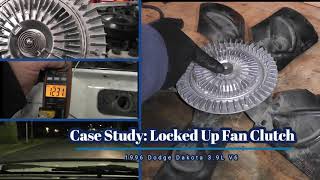
A failing fan blade is a physical problem: it's cracked, bent, or broken. This causes noise, vibration, or a lack of airflow. A failing fan clutch is a mechanical problem inside the clutch mechanism. It either fails to engage (causing overheating at idle) or seizes (causing a loud roaring noise at all times 🎬 See this diagnostic case study on a locked fan clutch and robbing engine power). The blade and clutch are separate parts but are bolted together.
My engine only overheats in traffic. Is that the fan blade?
It is a very strong possibility. Overheating at low speeds or idle is the classic symptom of a problem in the fan system, as there is no natural airflow from vehicle movement. The issue could be a worn-out fan clutch that isn't engaging, or a damaged/incorrect fan blade that isn't moving enough air. Both should be inspected.
🎬 Watch: How to test for a bad fan clutchWill any 7-blade fan fit my Dakota?
Not necessarily. You must match the diameter (approx. 18 inches), rotation direction (standard clockwise rotation for this truck), and bolt pattern for the fan clutch. Using a fan from another vehicle, even if it has 7 blades, is not recommended as it may not be balanced correctly or have the right blade pitch for proper cooling.
Helpful Videos
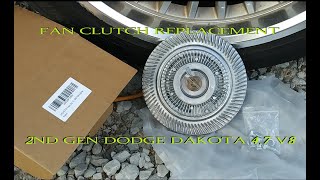
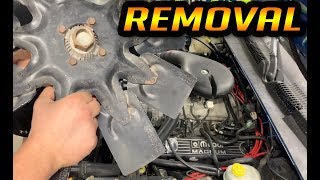
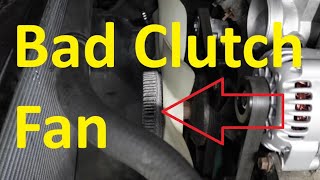
Technical Specifications
OEM Part Numbers: 4266933 04266933
Blade Count: 7 Diameter: Approximately 18 inches Engine Application: Primarily 3.9L V6 Drive Type: Mechanical, for use with a fan clutch
We Have This Part in Stock


The information in this article is provided for general reference and educational purposes only. Vehicle specifications, procedures, and part compatibility can vary by production date, trim level, and region. Always consult your vehicle's factory service manual and verify part numbers before purchasing or performing repairs. Safety-critical components such as airbags, seat belts, and braking systems should be installed by a qualified professional.
- Dodge Dakota:
- 🎬 Helpful Videos
- 🛍️ Shop This Part
- Symptoms of a Failing Engine Cooling Fan Blade
- 1. Engine Overheating at Idle or Low Speeds
- 2. Visible Cracks, Bends, or Missing Pieces
- 3. Loud Grinding, Scraping, or Wobbling Noises
- Buying a Used Engine Cooling Fan Blade for 1987-1991 Dakota
- Key Inspection Points:
- Known Issues, TSBs, and Recalls
- Cost Comparison for a 1987-1991 Dakota Fan Blade
- Replacement Overview
- General Steps:
- Frequently Asked Questions (FAQ)
- 🎟️ Get 5% Off