

2020-2024 Taycan & e-tron GT Cooling System Fault: Guide to the Coolant Pump Module
Understanding the critical role of the thermal management control module (coolant pump) and what to do when it fails in your Porsche Taycan or Audi e-tron GT.
- This part is an integrated pump and control module (4KE965429J) vital for cooling the high-voltage battery in both the Taycan and e-tron GT.
- Replacement is NOT a DIY job. It requires professional tools (Porsche PIWIS/Audi ODIS) for the complex coolant bleed and module programming procedures.
- Failure triggers a "Cooling system fault" warning, severely limits vehicle power, and disables DC fast charging to prevent battery damage.
- A used OEM pump is a viable option, but it must be the correct part number and will still require professional installation and programming.
Symptoms of a Failing Coolant Pump Module

Failure of a key coolant pump in the Taycan or e-tron GT will trigger specific and immediate warnings. Because proper battery temperature is essential for safety and performance, the vehicle will alert the driver and enter a protective mode.
- "Cooling system fault" Warning: This is the most common message that will appear on the instrument cluster. It may be accompanied by instructions to service the vehicle.
- Reduced Power: The vehicle will limit motor output to prevent overheating of the battery and drivetrain components. This will be especially noticeable during hard acceleration or in Sport and Sport Plus modes.
- Inability to DC Fast Charge: The thermal management system must be fully functional to handle the heat generated during high-speed DC charging. If a pump fails, the car will prevent or severely limit fast charging to protect the battery.
- Loud Fan Operation: You may notice the radiator cooling fans running at maximum speed for extended periods as the car attempts to compensate for the lack of coolant circulation.
- Audible Pump Noise: A failing pump might make grinding or whining noises before it stops working completely.
- OBD-II Trouble Codes: A professional scan tool may reveal specific fault codes. A known code for a blocked or malfunctioning pump is P261E00 - Additional coolant pump (P5) - blocked.
Known Issues, TSBs, and Recalls

While the coolant pump itself is a point of failure, the broader thermal management and electrical systems of the Taycan and e-tron GT have been subject to several service campaigns.
Technical Service Bulletins (TSBs)
Porsche has issued technical bulletins related to the cooling system. TSB #2238 (NHTSA ID 10228383) provides a procedure for technicians to test the "Additional coolant pump (P5)" during pre-delivery inspections to ensure it is not blocked or faulty from the factory. This indicates that early failures or manufacturing defects are a known possibility. The test involves activating the pump with the Porsche PIWIS diagnostic tool and checking for a specific fault code (P261E00). Other TSBs exist for related components like the front cooling fans, which can become seized with mud or debris, causing similar cooling issues.
Recalls
While there are no recalls specifically for this coolant pump, numerous significant recalls exist for the high-voltage battery system in both the Porsche Taycan and Audi e-tron GT that owners should be aware of. Recalls like NHTSA 24V732 (Porsche) and campaigns from Audi (931A, 931B) address the risk of short circuits within battery modules, which can lead to fires. The remedy involves installing new monitoring software and, if necessary, replacing battery modules. These recalls cover a wide range of 2020-2024 models. A functioning cooling system is integral to the safety measures being implemented in these recalls.
Important: Replacement of this coolant pump requires specialized procedures and tools. This is not a typical DIY repair.
Programming and Replacement Requirements

Replacing this coolant pump module is a job for a qualified Porsche/Audi dealership or a specialized independent shop with the correct diagnostic equipment.
- Complex Coolant Bleeding: Electric vehicles have intricate cooling systems with multiple loops. After replacing the pump, the system must be properly drained, filled, and bled using a vacuum filler and a specific guided procedure on a diagnostic tool like the Porsche PIWIS or Audi ODIS. Failure to do so will leave air pockets in the system, leading to inadequate cooling and repeat failures.
- Module Commissioning/Adaptation: The new pump is not plug-and-play. A diagnostic tool must be used to run a commissioning or activation routine. This procedure tells the vehicle's thermal management control unit that a new pump has been installed and allows it to be tested and integrated into the system.
Without these steps, a new or used pump may not function at all, and warning lights will persist.
Buying a Used Engine Cooling Control Module

Given the high cost of new OEM parts, a used OEM pump can be a cost-effective solution. However, there are critical factors to consider.
- Verify the Part Number: The most important step is to match the part number exactly. The primary OEM part number for this pump is 4KE965429J. There may be other superseded numbers, so always confirm with the seller or a dealer parts department.
- Physical Inspection: When you receive the part, inspect the plastic housing for any cracks or signs of damage. Check the electrical connector pins to ensure they are straight and free of corrosion.
- Source from a Reputable Supplier: Buy from a recycled parts seller that offers a warranty and has good reviews. This provides a layer of protection if the part is dead on arrival.
- Factor in Professional Installation: Remember that even a perfectly good used pump requires professional installation and programming. The cost of labor and programming will be the same whether you use a new or used part, so factor this into your total cost.
- Why Used OEM is a Good Choice: For a specialized part like this, a used OEM component is often superior to a new, unproven aftermarket alternative (if one even exists). The OEM part was designed and tested for the vehicle's specific thermal management strategy.
Cost Comparison
Prices can vary based on supplier and location. The following is an estimated breakdown of costs:
| Part/Service | Estimated Cost |
|---|---|
| New OEM Pump | $260 - $450 |
| Used OEM Pump | $125 - $200 |
| New Aftermarket / Remanufactured | Not commonly available |
| Shop Labor (Replacement & Programming) | $300 - $600 (2-3 hours) |
Frequently Asked Questions (FAQ)
Is this part the same for the Porsche Taycan and Audi e-tron GT?
Yes, because the Porsche Taycan and Audi e-tron GT are built on the same J1 vehicle platform, they share many components, including this specific coolant pump module. Always verify the OEM part number 4KE965429J matches your vehicle's original part.
Can I replace this coolant pump myself?
It is not recommended for a DIY mechanic. The replacement requires specialized tools to bleed the complex EV cooling system and proprietary diagnostic software (Porsche PIWIS or Audi ODIS) to program and adapt the new pump to the vehicle. An improper repair can lead to persistent faults or damage to the high-voltage battery.
Does a used pump need to be programmed?
Yes. Any replacement pump, whether new or used, must go through a commissioning or adaptation procedure with a dealer-level scan tool. This ensures the vehicle recognizes the new component and that it functions correctly within the thermal management system.
What happens if I ignore a "Cooling system fault" warning?
Ignoring the warning will lead to continued reduced power, disabled DC fast charging, and potentially irreversible damage to the high-voltage battery from overheating. It is a critical fault that should be addressed immediately to avoid much more expensive repairs.
Technical Specifications
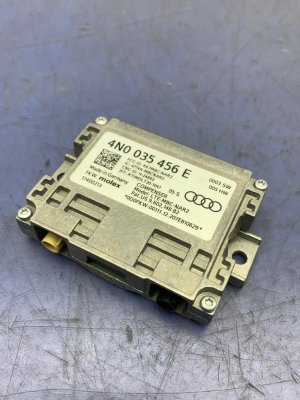
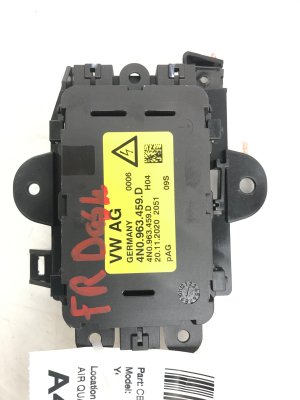
OEM Part Numbers: 4KE965429J 4KE.965.429.J 4KE 965 429 J
Electric coolant pump with integrated control module for the high-voltage battery thermal management system.
We Have This Part in Stock




The information in this article is provided for general reference and educational purposes only. Vehicle specifications, procedures, and part compatibility can vary by production date, trim level, and region. Always consult your vehicle's factory service manual and verify part numbers before purchasing or performing repairs. Safety-critical components such as airbags, seat belts, and braking systems should be installed by a qualified professional.
- Porsche Taycan:
- Audi e-tron GT: