

2024-2025 Kia EV9 Cooling Control Module: Failures, Warnings, and Replacement Guide
This guide covers the specific cooling control module for Kia EV9 models without a heat pump, including failure symptoms, diagnostic codes, and crucial replacement information.
- This module (part 254D0-DO000) is ONLY for EV9 models WITHOUT a heat pump; they are not interchangeable.
- Replacement is NOT plug-and-play. The module must be programmed to the vehicle by a dealer or qualified shop.
- Failure can trigger "Power limited" or "Battery overheated!" warnings, which should be treated as critical.
- A related TSB (SA570) addresses a software logic issue that can cause the ICCU to overheat during charging, highlighting the module's role in the charging system.
Symptoms of a Failing Cooling Control Module
A problem with the cooling control module can trigger a variety of warnings on the instrument cluster and lead to noticeable performance issues. Since this module is essential for protecting the expensive high-voltage battery, these symptoms should be addressed immediately.
- "Check electric vehicle system" Warning: This is a general warning message indicating a fault has been detected in the EV control systems, which can include the thermal management system.
- "Power limited" Message / Power Down Light: The vehicle may intentionally reduce propulsion power to protect components if it detects the battery or motor temperature is too high or too low. This is a key symptom of a cooling system malfunction.
- "Battery overheated!" Message: This critical warning indicates the battery temperature has exceeded safe limits. The vehicle should be stopped safely as soon as possible to prevent permanent battery damage.
- A/C System Not Cooling: Some owners have reported issues with the air conditioning not blowing cold air. While this can have multiple causes, the A/C system is integrated with the overall vehicle thermal management. A fault in the cooling control module can sometimes manifest as a climate control problem.
- Failure to Charge: The module helps cool the Integrated Charging Control Unit (ICCU) during charging. A failure can cause the ICCU to overheat, stopping a charging session. This is particularly noted during Level 1 or Level 2 AC charging.
Associated OBD-II Diagnostic Trouble Codes (DTCs)
While a range of codes could indicate a cooling issue, a specific Technical Service Bulletin (TSB) related to the cooling of the ICCU lists the following codes. If these are present, it may point to a problem that requires a software update or module-related service.
- P1E011C: PFC Voltage Sensor Reliability and Initial Offset Value Check
- P1E0211: PFC Voltage Sensor Circuit Low
- P1E1300: Battery Charger Power Module System Voltage
- P1E0C73: Input Relay Stuck Closed Check
Warning: The part number covered in this guide, 254D0-DO000, is ONLY for 2024-2025 Kia EV9 models WITHOUT a factory-installed heat pump. Vehicles with a heat pump use a different module (part number 254D0-DO500). These parts are not interchangeable. Always verify your vehicle's options before purchasing.
Known Issues, Recalls, and Technical Service Bulletins (TSBs)
As a new model, the EV9 has had several service campaigns and recalls. While most do not directly involve this cooling module, one TSB is highly relevant.
TSB SA570: ICCU Cooling Logic Update
Kia issued this service action for certain 2024 EV9s to address a potential issue where the Integrated Charging Control Unit (ICCU) could overheat during AC charging, especially in cold weather. The problem stems from a disparity between the actual and sensed temperature, leading to improper operation of the Electric Water Pump (EWP). The fix involves a software update for the Vehicle Control Unit (VCU) to improve the pump's logic. In cases where the ICCU is already damaged and DTCs are stored, the ICCU must be replaced. This highlights the critical software relationship between the vehicle's main computer and the cooling hardware.
Buying a Used 2024-2025 EV9 Cooling Control Module
Given the high cost of dealership repairs, a used OEM cooling module can be a smart, cost-effective solution. However, because this is a modern electronic component, there are critical factors to consider.
Programming and Calibration: Is It Plug-and-Play?
No, this module is not plug-and-play. Like most control units on modern vehicles, a replacement cooling module must be programmed or coded to the specific vehicle it is installed in. A dealer technician or a qualified independent shop will need to use a Kia-specific diagnostic tool (like GDS/KDS) to configure the new module. Some owners who have had other modules replaced report that the dealer must input the correct "variant code" to ensure the software matches the vehicle's features. Failure to program the module will likely result in it not functioning, continued warning lights, and potential damage to other components.
How to Verify Compatibility
- Confirm Your Vehicle's Options: The most important step is to confirm whether your EV9 has a heat pump. You can find this information on the original window sticker or by using a VIN decoder that lists factory options. This module is only for non-heat-pump models.
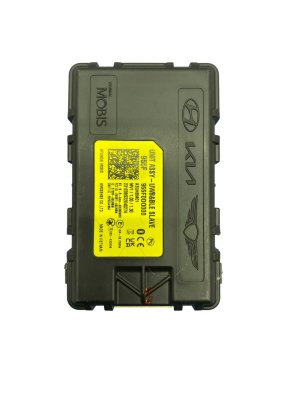
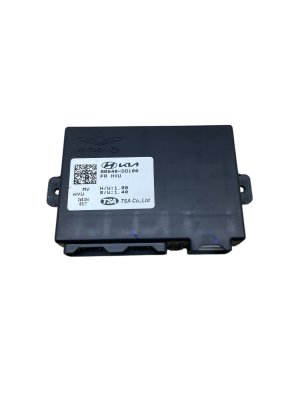
- Match the Part Number: Ensure the used part you are buying is stamped with the exact OEM part number: 254D0-DO000. Do not attempt to use the module for the heat pump version (`254D0-DO500`).
Physical Inspection Checklist
When inspecting a used module, look for:
- No Corrosion: Check the electrical connector pins for any signs of green or white corrosion, which indicates water damage.
- Intact Connectors: Ensure the plastic housing and all connector pins are straight and undamaged. Bent pins can prevent a solid connection.
- No Physical Damage: Inspect the case for cracks, deep gouges, or signs that it has been opened or tampered with.
Replacement Cost Comparison
Prices can vary by supplier and location. The following is an estimated cost breakdown to help you understand the value of a used OEM part.
| Part Type | Estimated Cost |
|---|---|
| New OEM | $90 - $135 |
| New Aftermarket | Not Yet Available |
| Used OEM | $40 - $75 |
| Shop Labor (Replacement & Programming) | $200 - $400 |
Frequently Asked Questions (FAQ)
Does the 2024-2025 EV9 cooling module need to be programmed?
Yes, absolutely. A replacement module, whether new or used, must be programmed to the vehicle's VIN and specific configuration using a dealer-level scan tool. It is not a plug-and-play part.
Can I drive my EV9 with a bad cooling control module?
It is strongly advised not to. A faulty cooling module can lead to the high-voltage battery overheating, which can cause permanent capacity loss and create a serious safety risk. If you see a "Battery overheated!" or "Check electric vehicle system" warning, you should stop driving and have the vehicle towed for service.
What is the difference between the cooling module for EV9s with and without a heat pump?
The heat pump is an advanced system that integrates cabin heating and cooling with the powertrain's thermal management to improve efficiency. Vehicles with this option have different plumbing and control logic, requiring a different cooling module (part number 254D0-DO500). The module for non-heat-pump models (254D0-DO000) is designed for a simpler system and they are not interchangeable.
Where is the cooling control module located on the Kia EV9?
As of mid-2026, the exact location and a detailed replacement procedure are not widely available in public-facing repair manuals. Based on its function as a "coolant hub," it is likely located in the front of the vehicle, near the radiator and other cooling components, and will have several coolant hoses and an electrical connector attached.
Technical Specifications
OEM Part Numbers: 254D0-DO000
Controls liquid cooling circuit for battery, motor, and power electronics on non-heat-pump models.
We Have This Part in Stock
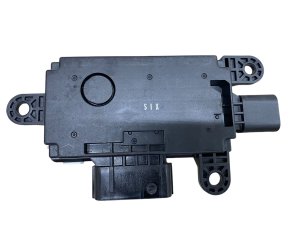
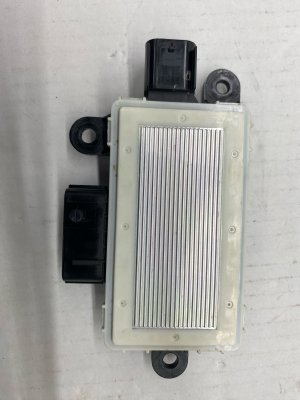
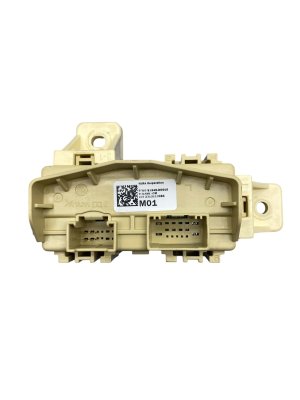
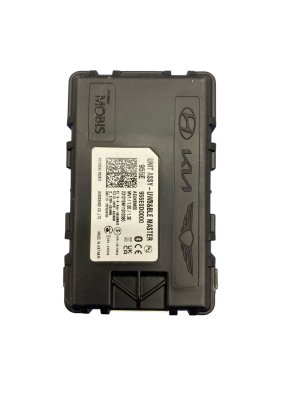

The information in this article is provided for general reference and educational purposes only. Vehicle specifications, procedures, and part compatibility can vary by production date, trim level, and region. Always consult your vehicle's factory service manual and verify part numbers before purchasing or performing repairs. Safety-critical components such as airbags, seat belts, and braking systems should be installed by a qualified professional.
- Kia EV9:
- 🛍️ Shop This Part
- Symptoms of a Failing Cooling Control Module
- Associated OBD-II Diagnostic Trouble Codes (DTCs)
- Known Issues, Recalls, and Technical Service Bulletins (TSBs)
- TSB SA570: ICCU Cooling Logic Update
- Buying a Used 2024-2025 EV9 Cooling Control Module
- Programming and Calibration: Is It Plug-and-Play?
- How to Verify Compatibility
- Physical Inspection Checklist
- Replacement Cost Comparison
- Frequently Asked Questions (FAQ)
- 🎟️ Get 5% Off