

1989 Suzuki Sidekick Engine Coolant Sensor: Solving Rich Fueling and High Idle
This guide covers the diagnosis, replacement, and purchase of a used engine coolant temperature (ECT) sensor for the unique first-year 1989 Suzuki Sidekick.
- A failing ECT sensor on a 1989 Sidekick commonly causes a rich fuel condition, leading to black smoke, poor mileage, and a high idle.
- The correct sensor for the engine computer has two wires; the single-wire unit is for the dash gauge. The primary OEM part number is 37870-60A01.
- You can diagnose the sensor with a multimeter; it should read about 2.5k Ohms when cold and drop to around 300 Ohms when hot.
- Check engine codes (likely 14 or 15) are read by inserting a fuse into the diagnostic slot in the interior fuse box and watching the light flash.
Symptoms of a Failing ECT Sensor in a 1989 Sidekick
A faulty ECT sensor can send incorrect information to the engine's computer, leading to a range of noticeable problems. Because the 1989 model has a unique engine management system, some symptoms may be specific to this year.
🎬 Watch: 8 common symptoms of a bad coolant sensor- Poor Fuel Economy: If the sensor is stuck reading "cold," the ECU will continuously send extra fuel, causing your mileage to drop significantly.
- Black Smoke from Exhaust: A classic sign of a rich-running engine is black or dark gray smoke from the tailpipe. This is unburnt fuel being burned in the exhaust.
- High or Rough Idle: The engine may idle much faster than the typical 800 RPM when warm, or it may shake and vibrate. A faulty sensor can prevent the idle from dropping down after the engine has warmed up.
- Difficulty Starting: The engine may be hard to start, especially when it's already warm, because the ECU is providing the wrong fuel mixture for the conditions.
- Check Engine Light: A failing ECT sensor will often trigger the "Check Engine" light. On a 1989 Sidekick, this requires a special procedure to read the codes.
- Engine Overheating without Warning: In some cases, the sensor can fail to report a hot condition, meaning the temperature gauge on your dash may not read accurately and the electric cooling fan may not turn on when needed.
Reading Check Engine Codes on a 1989 Sidekick
The 1989 Sidekick is a pre-OBD-II vehicle. To read stored trouble codes, you don't use a modern scanner. Instead, you use a spare fuse to activate the diagnostic mode.
- Locate the fuse box under the driver's side of the dashboard.
- Find the diagnostic terminal, which is often an empty fuse slot in the lower right.
- With the ignition OFF, insert a spare fuse into this terminal.
- Turn the ignition key to the 'On' position (do not start the engine).
- The 'Check Engine' light will begin to flash, indicating a code. A single flash followed by a pause and two flashes (Code 12) means the system is normal.
- Codes related to the ECT sensor are typically Code 14 (sensor circuit indicates low temperature/high voltage) and Code 15 (sensor circuit indicates high temperature/low voltage).
Diagnosing a Faulty ECT Sensor
Before replacing the sensor, you can test it with a basic multimeter to confirm it's the source of the problem. This is highly recommended.
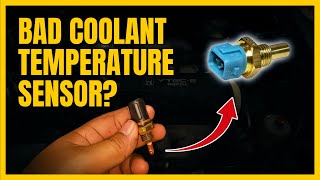
Pro Tip: The 1989 Sidekick has two temperature sensors located near the thermostat housing. The one with a single wire is for the dashboard temperature gauge. The one with a two-wire connector is the ECT sensor for the engine computer (ECU), which is the one this guide focuses on.
🎬 See this Suzuki-specific temperature sensor testing guideTo test the ECT sensor:
- With the engine cold and the key out of the ignition, disconnect the electrical connector from the two-wire ECT sensor.
- Set your multimeter to measure resistance (Ohms, Ω).
- Touch the multimeter probes to the two metal pins on the sensor itself.
- At room temperature (around 68°F/20°C), the sensor should read approximately 2,500 Ohms (2.5 kΩ).
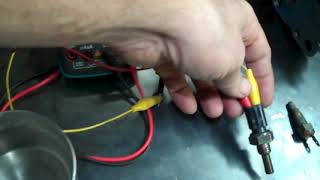
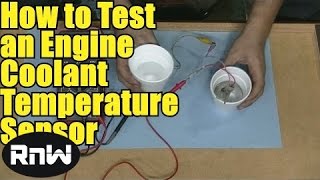
- As the engine warms up, the resistance should drop significantly. A fully hot engine (around 180°F/82°C) should show a resistance of about 300 Ohms. You can also remove the sensor and test it in a pan of hot water to verify the resistance changes. 🎬 Watch: How to test a coolant sensor with a multimeter
If the resistance reading is infinite (open circuit), zero (short circuit), or does not change correctly with temperature, the sensor is bad and needs to be replaced.
Buying a Used 1989 Sidekick ECT Sensor
Given the age of the vehicle, a used OEM sensor can be a reliable and cost-effective option, especially compared to a potentially poor-quality new aftermarket part. The original sensors were built to a high standard, and a good used one can often outperform a cheap new one.
What to Inspect:
- Physical Condition: Check the plastic connector for any cracks, brittleness, or damage. Ensure the brass body and threads are in good shape.
- Connector Pins: The two electrical pins should be clean, straight, and free of corrosion.
- Verify the Part: Make sure you are buying the correct two-wire sensor for the ECU, not the single-wire sender for the gauge.
Compatibility Warning: The initial data provided for this vehicle included several part numbers for A/C components, not the ECT sensor. Parts like 74400-60A11 and 95571-60A50 are related to the air conditioning system. The correct OEM part number for the engine coolant temperature sensor is typically 37870-60A01. Always verify you are purchasing the correct part for your engine, not the A/C system.
Cost Comparison
| Part Type | Estimated Cost |
|---|---|
| New OEM (Suzuki) | $50 - $100+ (if available) |
| New Aftermarket | $15 - $35 |
| Used OEM | $20 - $45 |
| Shop Labor | $50 - $100 |
Replacement Guide
Replacing the ECT sensor is a straightforward job suitable for a DIY mechanic. It is located on the thermostat housing at the front of the engine.
- Difficulty: 1.5 out of 5
- Estimated Time: 30 minutes
- Tools Needed: Deep socket or wrench (size may vary), pliers, drain pan.
Steps:
- Let the engine cool completely. Never open a hot cooling system.
- Disconnect the negative battery terminal.
- Place a drain pan under the radiator and partially drain a small amount of coolant, just enough to bring the level below the sensor.
- Unplug the electrical connector from the sensor.
- Using a deep socket or wrench, carefully unscrew and remove the old sensor.
- Apply a small amount of thread sealant to the threads of the new sensor.
- Screw in the new sensor and tighten it until snug. Do not overtighten.
- Reconnect the electrical connector.
- Top off the radiator with the drained coolant or fresh coolant.
- Reconnect the battery terminal, start the engine, and check for leaks. Let the engine warm up and burp the cooling system to remove any air pockets.
Known Issues, Recalls & TSBs
For a vehicle of this age, specific TSBs for the ECT sensor are not readily available. However, owner forums are a valuable resource. The 1989 model year is known for having a unique EFI system compared to later models, making correct part identification crucial. There are no specific recalls for the engine coolant temperature sensor on the 1989 Suzuki Sidekick. A general recall for this model year involved the front seat belt release buttons.
Frequently Asked Questions (FAQ)
Where is the ECT sensor located on a 1989 Sidekick?
The ECT sensor is threaded into the thermostat housing, which is located at the front of the engine where the upper radiator hose connects. It is the sensor with the two-wire electrical connector.
Can a bad ECT sensor cause the engine not to start?
Yes, it can cause hard starting, particularly when the engine is warm. The incorrect fuel mixture supplied by the ECU can make it difficult for the engine to fire up properly.
What happens if I just unplug the ECT sensor?
If you unplug the sensor, the ECU will likely default to a "cold engine" setting. This will cause the engine to run rich continuously, trigger the Check Engine Light, and result in very poor fuel economy and performance.
Is the ECT sensor the same as the temperature sender for the gauge?
No. The ECT sensor (two wires) sends information to the engine computer. The temperature sender (one wire) sends information to the temperature gauge on your dashboard. They are separate parts, though often located near each other.
Helpful Videos
Technical Specifications
OEM Part Numbers: 37870-60A01 30000471 30008933
Two-wire thermistor. Resistance at ~68°F (20°C) is approx. 2.5 kΩ. Resistance at ~180°F (82°C) is approx. 300 Ω.
We Have This Part in Stock


The information in this article is provided for general reference and educational purposes only. Vehicle specifications, procedures, and part compatibility can vary by production date, trim level, and region. Always consult your vehicle's factory service manual and verify part numbers before purchasing or performing repairs. Safety-critical components such as airbags, seat belts, and braking systems should be installed by a qualified professional.
- Suzuki Sidekick:
- 🎬 Helpful Videos
- 🛍️ Shop This Part
- Symptoms of a Failing ECT Sensor in a 1989 Sidekick
- Reading Check Engine Codes on a 1989 Sidekick
- Diagnosing a Faulty ECT Sensor
- Buying a Used 1989 Sidekick ECT Sensor
- What to Inspect:
- Cost Comparison
- Replacement Guide
- Steps:
- Known Issues, Recalls & TSBs
- Frequently Asked Questions (FAQ)
- 🎟️ Get 5% Off