

2011-2019 Ford Fiesta Coolant Reservoir: Leaks, Cracks, and Replacement Guide
This guide covers the common failure points of the 2011-2019 Ford Fiesta coolant reservoir, how to diagnose issues, and what to look for when buying a used replacement.
- The most common failure is the plastic cracking from heat and age, causing coolant leaks.
- Symptoms include visible leaks, a sweet coolant smell, and engine overheating.
- When buying a used part, inspect carefully for hairline cracks, especially around hose connections.
- Replacement is a simple DIY job that takes less than an hour with basic tools.
Symptoms of a Failing Coolant Reservoir

The plastic construction of the coolant reservoir makes it susceptible to failure from constant heat cycles and engine vibration. When it fails, the symptoms are usually easy to spot.
- Visible Coolant Leaks: This is the most obvious sign. You may see puddles of brightly colored fluid (typically orange, green, or pink) on the ground under the front passenger side of the car. You might also notice white or colored crusty residue on or around the reservoir itself, which is dried coolant.
- Sweet Smell: Engine coolant has a distinct, sweet odor. If you smell this inside or outside your car, it's a strong indicator of a coolant leak somewhere in the system, and the reservoir is a common culprit.
- Engine Overheating: If the reservoir is leaking, the coolant level will drop. Not enough coolant means the engine can't properly cool itself, causing the temperature gauge to rise into the red. This is a serious condition that can lead to severe engine damage if not addressed immediately.
- Low Coolant Warning Light: Many vehicles have a light on the dashboard that illuminates when the coolant level is low. Constantly needing to top off the coolant is a clear sign of a leak.
- Visible Cracks or Damage: A visual inspection may reveal hairline cracks, yellowing, or brittleness in the reservoir's plastic, especially around the hose connections and mounting points.
Known Issues, Recalls, and Technical Service Bulletins (TSBs)

While the reservoir itself hasn't been the subject of a direct recall, the cooling system on certain Ford Fiestas has been. It's important to be aware of these related issues.
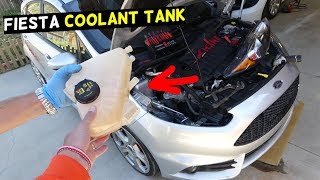
- NHTSA Campaign Number 17V209000 (Ford Recall 17S09): This recall affects certain 2014-2015 Fiesta ST models with the 1.6L GTDI engine. The issue is that a lack of coolant circulation could cause the cylinder head to crack. The remedy involves installing a coolant level sensor system. Some owners report that this recall service included a new, redesigned coolant reservoir with different hose connections. 🎬 See how to remove and replace the reservoir on MK7 models.
Pro Tip: If you are buying a used reservoir for a 2014-2015 Fiesta ST, verify if the recall work has been done. The original tank has three hose connections, while the recall-updated tank may have only two, which will require different hoses.
🎬 Watch a mechanic replace the coolant bottle on a Fiesta ST.Buying a Used Engine Coolant Reservoir

A used OEM coolant reservoir can be a reliable and cost-effective alternative to a new part, especially when compared to cheap aftermarket options which can be made of lower-quality, more brittle plastic. Here’s what to inspect before you buy.
Physical Inspection Checklist:
- Check for Cracks: Carefully inspect the entire surface for hairline cracks. Pay close attention to the seams, the hose nipples (where the hoses connect), and the mounting tabs. These are the most common failure points.
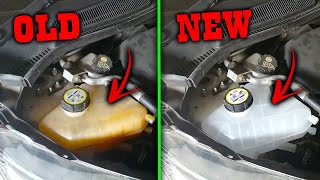
- Examine the Plastic Quality: The plastic should be a consistent, slightly opaque white or off-white. Avoid reservoirs that are yellowed, dark, or appear excessively brittle, as this indicates advanced age and heat exposure.
- Inspect Hose Nipples: Make sure all the hose connection points are intact, not chipped, and free of cracks. A broken nipple makes the entire reservoir useless.
- Check the Cap and Threads: Most used reservoirs will come with a cap, but it's wise to plan on replacing it with a new one, as the cap's seal is critical for maintaining system pressure. Ensure the threads on the reservoir neck are clean and not cross-threaded or damaged.
- Look for Contamination: The inside of the tank should be free of thick, sludgy residue or an oily film. Oil in the coolant suggests a major engine problem (like a blown head gasket) in the donor vehicle, and you should avoid that part.
Replacement Information

Replacing the coolant reservoir on a 2011-2019 Ford Fiesta is a straightforward job suitable for a DIY mechanic with basic tools.
- Difficulty Rating: 2 out of 5
- Estimated Time: 0.5 - 1 hour
- Tools Needed: Pliers (for hose clamps), socket set, flathead screwdriver, drain pan.
Basic Replacement Steps:
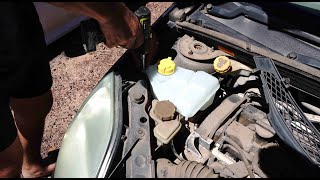
🎬 Watch this step-by-step guide on replacing a leaking expansion tank.- Let the Engine Cool Completely:
Warning: Never open the cooling system when the engine is hot. The system is under pressure and can spray scalding hot coolant, causing serious burns.
- Drain Some Coolant (Optional but Recommended): While not always necessary, draining a small amount of coolant from the radiator's lower hose can prevent spills when you disconnect the reservoir hoses.
- Disconnect Hoses: Use pliers to squeeze and slide the hose clamps back. Gently twist the hoses to break them loose and pull them off the reservoir nipples. Be prepared for some coolant to spill out.
- Unbolt the Reservoir: The reservoir is typically held in place by one or two bolts. Remove these bolts.
- Remove the Old Reservoir: The reservoir often has a tab that slides into a slot on the vehicle body. You may need to wiggle it or slide it in a specific direction to free it.
- Install the New Reservoir: Slide the new reservoir into place, install the mounting bolts, and reconnect the hoses and clamps.
- Refill and Bleed the System: Top off the reservoir with the correct type of coolant to the 'MAX' line. Start the engine with the reservoir cap off and let it run until it reaches operating temperature, adding more coolant as the level drops and air bubbles work their way out. Once the level is stable, replace the cap.
Cost Comparison
The cost of replacing a Ford Fiesta coolant reservoir can vary significantly depending on the type of part you choose and whether you do the work yourself.
| Part Type | Estimated Cost |
|---|---|
| New OEM | $65 - $100 |
| New Aftermarket | $20 - $85 |
| Used OEM | $30 - $60 |
| Shop Labor | $73 - $107 |
| Total (New OEM at a shop) | $342 - $381 |
Frequently Asked Questions (FAQ)
Is it safe to drive with a leaking coolant reservoir?
It is not recommended. A small leak can quickly become a large one, leading to significant coolant loss and engine overheating, which can cause catastrophic engine damage. If you must drive a short distance, monitor the temperature gauge constantly and check the coolant level before starting the engine.
Why did my coolant reservoir crack?
Coolant reservoirs are made of plastic and are constantly exposed to high temperatures and pressure changes from the engine's cooling cycle. Over time, this heat cycling makes the plastic brittle and prone to cracking, especially at weak points like seams and hose connections.
Can I just use water instead of coolant?
In an emergency, you can use plain water to get to a safe location or a repair shop. However, you should not use water long-term. Coolant (antifreeze) contains important additives that prevent corrosion, raise the boiling point, and lower the freezing point of the fluid, all of which are essential for engine protection.
Do I need to replace the reservoir cap too?
Yes, it is highly recommended to replace the cap when you replace the reservoir. The cap contains a spring-loaded valve that is crucial for maintaining the correct pressure in the cooling system. A faulty cap can cause leaks or prevent the system from operating correctly, leading to overheating.
Helpful Videos
Technical Specifications
OEM Part Numbers: BE8Z8A080A 8V218K218AB
Material: Plastic
We Have This Part in Stock


The information in this article is provided for general reference and educational purposes only. Vehicle specifications, procedures, and part compatibility can vary by production date, trim level, and region. Always consult your vehicle's factory service manual and verify part numbers before purchasing or performing repairs. Safety-critical components such as airbags, seat belts, and braking systems should be installed by a qualified professional.
- Ford Fiesta:
- 🎬 Helpful Videos
- 🛍️ Shop This Part
- Symptoms of a Failing Coolant Reservoir
- Known Issues, Recalls, and Technical Service Bulletins (TSBs)
- Buying a Used Engine Coolant Reservoir
- Physical Inspection Checklist:
- Replacement Information
- Basic Replacement Steps:
- Cost Comparison
- Frequently Asked Questions (FAQ)
- 🎟️ Get 5% Off