

McLaren 720S (2018-2023) Coolant Hose Leaks: Causes, Symptoms, and Repair Costs
A detailed guide to the common coolant hose and clamp failures on the McLaren 720S, and what to look for when buying a replacement.
- Coolant hose or clamp failure is a common issue on the 720S, and a leak poses a critical risk of catastrophic engine damage from overheating.
- Symptoms include a sweet smell, low coolant warnings, visible leaks, and steam from the engine bay. Do not drive the vehicle if a leak is suspected.
- Replacement is a difficult (5/5) and expensive job for specialists only, requiring a specific vacuum-bleeding procedure to prevent air pockets in the system.
- When buying a used hose, meticulously inspect it for cracks, swelling, or brittleness. High-quality aftermarket silicone hoses are a recommended upgrade over standard rubber.
Symptoms of a Failing Coolant Hose
A coolant hose failure on a 720S can manifest in several ways, from subtle signs to dramatic events. Catching the issue early is critical to preventing engine damage.
- Sweet Smell: The most common first sign is a distinct, sweet smell of hot coolant, especially after a drive or when parking the car in a garage.
- Low Coolant Warning: A 'Low Engine Coolant' message on the driver's display indicates the level in the expansion tank has dropped.
- Visible Leaks or Puddles: Small drips or puddles of colored fluid (the coolant is often yellow or red) may appear on the garage floor under the engine bay or front of the car.
- White or Colored Residue: Look for white, crusty deposits around hose connections, clamps, or on engine components where coolant has leaked and evaporated.
- Steam from Engine Bay: In cases of a significant leak or a hose that has come loose, large plumes of white steam may pour from the rear engine cover, especially under acceleration. This is often mistaken for smoke.
- Rising Temperature Gauge: If the temperature gauge on the dashboard climbs above its normal operating position, it's a serious sign that the cooling system is compromised. Pull over immediately to prevent engine damage.
Known Issues for the 2018-2023 McLaren 720S
While the 720S is a marvel of engineering, its cooling system is a known vulnerability, primarily due to the intense heat generated by the twin-turbo V8 and the materials used in the system.
Hose Material Degradation
The standard rubber coolant hoses can become hard, brittle, and develop cracks over time due to constant exposure to high temperatures and repeated heat cycles. Pinhole leaks and weeping from the hose body itself are common as the material ages. The hoses located deep within the hot, tightly-packed engine bay are most susceptible.
Weak Factory Hose Clamps
A widely reported issue across many McLaren models, including the 720S, involves the factory-installed hose clamps. These clamps can lose their tension over time, allowing coolant to seep out at the connection point or, in a worst-case scenario, allowing a hose to detach completely under pressure, causing a massive and immediate loss of coolant. Many specialists and owners proactively replace these with high-quality stainless steel worm-drive or T-bolt style clamps for a more secure and reliable seal.
Pro Tip: During any service, it's wise to have a technician inspect all visible coolant hoses and clamps. Upgrading the clamps is a relatively low-cost preventative measure that can prevent a catastrophic failure.
Buying a Used Engine Coolant Hose
For a vehicle like the 720S, where new OEM parts are expensive, a used hose from a low-mileage vehicle can be a viable option. However, careful inspection is absolutely essential, as installing a faulty used hose can lead to disastrous consequences. High-quality aftermarket silicone hoses are also a popular and often superior alternative.
Physical Inspection Checklist
- Check for Cracks: Carefully examine the entire hose, especially near the ends where it connects to fittings. Bend it slightly to reveal any hidden cracks in the rubber.
- Squeeze the Hose: The hose should feel firm and pliable. If it feels mushy, spongy, or excessively soft, it is breaking down internally. If it feels rock-hard or brittle, it has been heat-damaged and will crack.
- Look for Bulging or Swelling: Any swelling or ballooning indicates that the internal reinforcement layers have failed, and the hose is close to bursting. Do not use a hose with any signs of swelling.
- Inspect the Inside: Look inside the hose for any signs of contamination, sludge, or rubber that is flaking away.
- Verify Fitment: The 720S uses many uniquely shaped molded hoses. Compare the used part directly against the old part to ensure every bend and branch is identical to prevent kinks that restrict flow.
Used OEM vs. New Aftermarket Silicone
While a used OEM hose can save money, consider high-performance aftermarket silicone hoses. Companies like Samco Sport offer complete hose kits for the 720S. Silicone offers significantly better resistance to heat and aging compared to standard rubber, making it less likely to crack or fail. For a critical component on a high-value engine, a new aftermarket silicone hose kit can be a worthwhile investment for long-term reliability.
Replacement Difficulty & Labor
Replacing coolant hoses on a McLaren 720S is a complex and time-consuming task that should be left to a qualified technician with experience on these vehicles.
- Installation Difficulty: 5 out of 5.
- Reasoning: The mid-engine design provides very limited access to many of the hoses. Replacement requires removing multiple undertrays, wheel arch liners, and potentially other components within the engine bay.
- Critical Procedure: After replacing any component in the cooling system, the system must be drained, and then refilled using a vacuum-lift tool. This procedure ensures no air pockets are trapped in the long lines running to the front radiators. An air pocket can prevent proper coolant circulation and cause the engine to overheat, even with a full coolant tank.
- DIY Feasibility: Not recommended for the home mechanic due to the complexity, access challenges, and the critical need for a proper vacuum-bleeding procedure.
Warning: Never attempt to open the coolant cap when the engine is hot. The system is under pressure, and doing so can cause severe burns.
Cost Breakdown
Repair costs for a McLaren 720S are significantly higher than for a standard production car due to specialist labor rates and part prices.
| Item | Estimated Cost |
|---|---|
| New OEM Hose (Single) | $250 - $400+ |
| New Aftermarket Silicone Hose Kit | $700 - $1,200 |
| Used OEM Hose (Single) | $50 - $150 |
| Shop Labor | $1,000 - $2,500+ (depending on which hoses are replaced) |
Note: Labor costs can vary dramatically based on the location of the specific hose being replaced. A simple, accessible hose may be on the lower end, while a hose buried deep in the engine bay will be significantly more.
Frequently Asked Questions (FAQ)
Can I drive my 720S with a coolant leak?
No. Driving with a known coolant leak is extremely risky. The M840T engine is highly sensitive to overheating, and even a small loss of coolant can lead to catastrophic engine damage costing tens of thousands of dollars to repair. If you see a low coolant warning or suspect a leak, have the vehicle towed to a specialist.
What is the correct coolant for a McLaren 720S?
You should use a coolant that meets McLaren's specifications. This is typically a silicate-free OAT (Organic Acid Technology) coolant. Many owners use G12+ or similar specifications. A gallon of genuine McLaren-branded coolant costs around $38. Always use distilled water when mixing with concentrate.
Are there any recalls for the 720S coolant hoses?
As of late 2024, there are no specific NHTSA safety recalls for the engine coolant hoses on the 2018-2023 McLaren 720S. However, other McLaren models have had recalls for similar issues, and McLaren has issued service campaigns for related models like the 750S to check coolant hose clamps, indicating it is a point of focus for the manufacturer.
Why not just use a cheap aftermarket hose?
While premium aftermarket silicone hoses are an excellent upgrade, a cheap, generic aftermarket hose is a major risk. These parts may not have the correct molded shape, leading to kinks that restrict flow, and are often made from inferior materials that cannot withstand the high temperatures and pressures of the 720S cooling system. For this vehicle, it is better to use a verified good-condition used OEM part than a new, low-quality aftermarket one.
Technical Specifications & Part Numbers
Identifying specific coolant hose part numbers for the 720S is challenging without dealer systems, as the cooling system is a complex web of dozens of hoses. When ordering, it is critical to provide your vehicle's VIN to a parts specialist to ensure the correct part is supplied.
Part Number Clarification: The part numbers 14F0101CP and 14F0189CP are often incorrectly listed as coolant hoses in online marketplaces. These are actually hoses for the secondary air injection system, which is an emissions component. They are not part of the engine cooling system.
Technical Specifications
OEM Part Numbers: 14F0101CP (Note: This is a Secondary Air Pump Hose, not a coolant hose) 14F0189CP (Note: This is a Secondary Air Pump Hose, not a coolant hose)
Coolant Type: Silicate-free OAT (Organic Acid Technology), G12+ compatible.
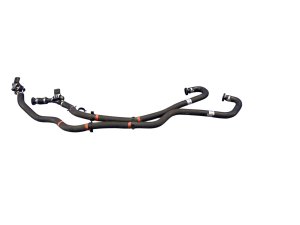
We Have This Part in Stock
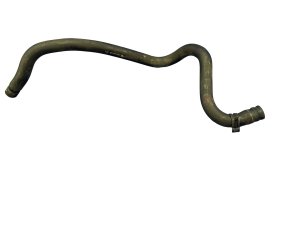
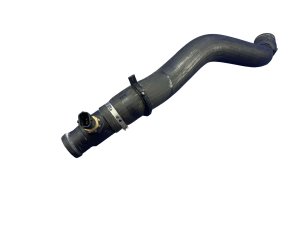
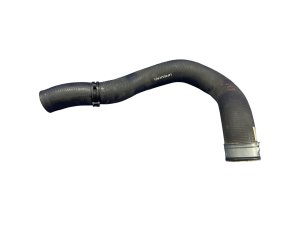
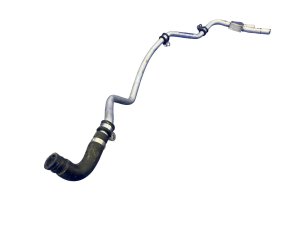

The information in this article is provided for general reference and educational purposes only. Vehicle specifications, procedures, and part compatibility can vary by production date, trim level, and region. Always consult your vehicle's factory service manual and verify part numbers before purchasing or performing repairs. Safety-critical components such as airbags, seat belts, and braking systems should be installed by a qualified professional.
- McLaren 720S:
- 🛍️ Shop This Part
- Symptoms of a Failing Coolant Hose
- Known Issues for the 2018-2023 McLaren 720S
- Hose Material Degradation
- Weak Factory Hose Clamps
- Buying a Used Engine Coolant Hose
- Physical Inspection Checklist
- Used OEM vs. New Aftermarket Silicone
- Replacement Difficulty & Labor
- Cost Breakdown
- Frequently Asked Questions (FAQ)
- Technical Specifications & Part Numbers
- 🎟️ Get 5% Off