

2004 Toyota 4Runner 4.0L V6 ECM: A Guide to Part Numbers, Programming, and Replacement
This guide covers the essential part number matching and mandatory programming required when replacing the Engine Control Module (ECM) in your 2004 Toyota 4Runner.
- A replacement ECM for a 2004 4Runner MUST be programmed to the vehicle's VIN and have the immobilizer keys relearned; it is not a plug-and-play part.
- The part number on the replacement ECM must EXACTLY match the number on your original module.
- This ECM is specific to the 4.0L V6 engine with 4-wheel drive (4WD). Modules from V8 or 2WD models are not compatible.
- Before replacing the ECM, rule out other potential causes like faulty sensors or wiring, as ECM failure symptoms can mimic other problems.
Symptoms of a Failing ECM

A faulty Engine Control Module can cause a wide range of confusing and intermittent issues. Because the ECM controls so many different systems, its failure can often mimic the symptoms of other bad parts. Be sure to perform a thorough diagnosis before condemning the ECM.
- Check Engine Light: An illuminated Check Engine Light is one of the most common symptoms. Codes related to internal processor failure, such as P0606, are a strong indicator. However, on this specific 4Runner, a P0606 code can sometimes be falsely triggered by a failing oxygen or air/fuel ratio sensor, so it's crucial to diagnose those components first.
- Engine Performance Problems: You may experience a sudden loss of power, engine stalling for no reason, a rough or unstable idle, and poor acceleration.
- No-Start Condition: The engine may crank but refuse to start. This can happen if the ECM is not sending the proper signals to the fuel injectors or ignition coils.
- Poor Fuel Economy: If the ECM cannot correctly manage the air-fuel mixture, you may notice a significant drop in gas mileage.
- Transmission Shifting Issues: The ECM communicates with the transmission controller. A bad ECM can lead to harsh, erratic, or delayed shifting.
Known Issues, Recalls, and Technical Service Bulletins (TSBs)

While the ECM itself is generally reliable in the 2004 4Runner, there are some related service items to be aware of.
Recalls
Important: There is a significant safety recall (NHTSA #16V065000) for the 2004 4Runner, but it involves the Air Bag Control Module, not the Engine Control Module. This recall addresses a defect where the side curtain airbags could deploy inadvertently. It is critical to distinguish this from an ECM issue.
Technical Service Bulletins (TSBs)
- TSB #T-TT-0362-15: Notes that the vehicle may be difficult to start or have a rough/low idle after the battery has been disconnected. This is a normal behavior as the ECM relearns idle parameters and is not necessarily a sign of failure.
- TSB #TSB-0064-10: Outlines the official procedure for flash reprogramming the ECM using Toyota's Techstream software. This confirms that the module's software can be updated by a dealer to resolve certain drivability issues.
Buying a Used Engine Control Module (ECM)

Purchasing a used OEM ECM is a cost-effective option, but you must follow these guidelines precisely to ensure compatibility and avoid creating a very expensive paperweight.
1. Match the Part Number EXACTLY
This is the most critical step. You must remove your original ECM to find the part number printed on its label. The replacement module's part number must be an identical match. Do not rely on visual similarity or information from a catalog alone. For the 2004 4Runner with the 4.0L V6 and 4-wheel drive, common part numbers include:
- 89661-35A30
- 89661-35A31
- 89661-35A32
- 89661-35A33
These part numbers may also have a Denso manufacturer number, such as 275100-0440 or 275100-1100. The primary Toyota number (89661-xxxxx) is the one to match.
2. Plan for Programming
A used ECM will not work by simply plugging it in. The vehicle's anti-theft system, or immobilizer, links the keys, the immobilizer module, and the ECM together. If you install an ECM from another vehicle, this link is broken, and the engine will not start. The replacement ECM must be programmed with your vehicle's VIN and have its immobilizer system synchronized with your existing keys.
🎬 Watch: How to reprogram a Toyota immobilizer3. Who Can Program the ECM?
You have a few options for programming:
- Toyota Dealership: The dealer can always perform the programming using their Techstream diagnostic tool. This is the most reliable, but also the most expensive, option.
- Automotive Locksmith: Many modern locksmiths have advanced diagnostic tools that can perform immobilizer and key programming for Toyota vehicles. This is often cheaper than the dealer.
- Remanufacturing Services: Several companies sell used or remanufactured ECMs and offer programming services. You can either send them your original ECM to have the data cloned to the replacement, or they will pre-program the replacement with your VIN and provide a simple relearn tool or procedure to sync the immobilizer at home.
4. Physical Inspection
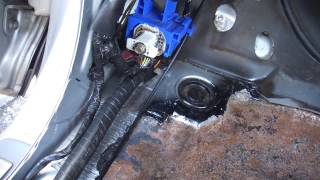
When your used part arrives, inspect it carefully. Look for signs of water damage (corrosion on the case or pins), pry marks indicating it has been opened, or any physical damage to the connectors. 🎬 Watch: How water damage can ruin your ECU connectors A reputable seller will provide a clean, tested unit.
Replacement and Programming Procedure

The physical replacement is straightforward, but the electronic programming is the crucial final step.
ECM Location
The ECM is located inside the vehicle's cabin, behind the glove box.
Step-by-Step Replacement
- Disconnect the Battery: Always disconnect the negative battery terminal before working on any electronic components.
- Remove the Glove Box: Open the glove box, remove the retaining screws, and detach any dampening arms. This will expose the ECM mounted to the firewall area.
- Unbolt the ECM: The ECM is typically held in place by two or three 10mm bolts or nuts. Remove them.
- Disconnect Wiring: Carefully unplug the wiring harnesses from the front of the ECM. The connectors have release tabs that must be pressed. Do not pull on the wires.
- Install the New ECM: Seat the replacement ECM, connect the wiring harnesses, and bolt it back into place. Reinstall the glove box. 🎬 See this step-by-step ECU replacement walkthrough
- Perform Programming/Immobilizer Relearn: Reconnect the battery. The vehicle will not start at this point. It must now be towed to a dealer/locksmith for programming, or you must perform the relearn procedure provided by your ECM supplier.
Pro Tip: Some online ECM suppliers offer a service where you send in your original module. They clone the immobilizer data to the replacement unit, making it truly 'plug and play' with no extra programming needed. This can be a great option if you can have the vehicle off the road for a few days.
Cost Comparison
Prices can vary significantly based on the source and included services like programming.
| Part Type | Estimated Cost | Notes |
|---|---|---|
| New OEM | $700 - $1,300 | Requires dealer programming. May be special order or discontinued. |
| Remanufactured | $200 - $600 | Often includes programming service or a relearn tool. A good balance of cost and convenience. |
| Used OEM (Salvage) | $85 - $200 | Cheapest part cost, but requires separate programming. |
| Shop Labor (Replacement) | $100 - $150 | For the physical swap only. |
| Shop Labor (Programming) | $100 - $250 | Cost for immobilizer sync and VIN programming at a dealer or locksmith. |
Frequently Asked Questions (FAQ)
Do I absolutely have to program a replacement ECM?
Yes. For the 2004 4Runner, programming is not optional. The vehicle's immobilizer system will prevent the engine from starting until the replacement ECM is programmed to the vehicle's VIN and synchronized with your keys.
Can I use an ECM from a V8 or 2WD 4Runner?
No. The ECM is specific to the engine and drivetrain. You must use an ECM from a 2004 4Runner with the same 4.0L V6 engine and 4WD system. Using the wrong module will result in compatibility issues or a no-start condition.
Will the truck start right after I swap the part?
No. After the physical installation, the engine will crank but will not start due to the anti-theft system. It must be programmed to run.
Can I program the ECM myself?
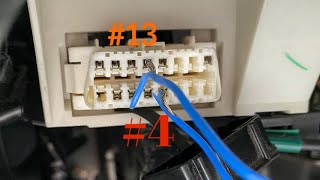
Programming requires specialized tools like Toyota's Techstream software. It is not a DIY job unless you purchase a pre-programmed module from a vendor that provides a specific, simplified key relearn tool or procedure. The common DIY method for adding a new key only works if you already have a functioning, programmed master key and the original ECM.
Helpful Videos
Technical Specifications
OEM Part Numbers: 89661-35A30 89661-35A31 89661-35A32 89661-35A33 275100-0440 275100-1100
Fits 2004 Toyota 4Runner with 4.0L V6 (1GR-FE) engine and 4-wheel drive (4WD).
We Have This Part in Stock



The information in this article is provided for general reference and educational purposes only. Vehicle specifications, procedures, and part compatibility can vary by production date, trim level, and region. Always consult your vehicle's factory service manual and verify part numbers before purchasing or performing repairs. Safety-critical components such as airbags, seat belts, and braking systems should be installed by a qualified professional.
- Toyota 4Runner:
- TOYOTA 4Runner:
- 🎬 Helpful Videos
- 🛍️ Shop This Part
- Symptoms of a Failing ECM
- Known Issues, Recalls, and Technical Service Bulletins (TSBs)
- Recalls
- Technical Service Bulletins (TSBs)
- Buying a Used Engine Control Module (ECM)
- 1. Match the Part Number EXACTLY
- 2. Plan for Programming
- 3. Who Can Program the ECM?
- 4. Physical Inspection
- Replacement and Programming Procedure
- ECM Location
- Step-by-Step Replacement
- Cost Comparison
- Frequently Asked Questions (FAQ)
- 🎟️ Get 5% Off