

2003 Toyota 4Runner ECM: Your Guide to Programming, Part Numbers, and Replacement
Replacing the Engine Control Module on your 2003 4Runner involves mandatory programming and key synchronization; this guide explains everything you need to know.
- A replacement ECM for a 2003 4Runner MUST be programmed to the vehicle's VIN and synchronized with the ignition keys to start the engine.
- The correct part number for the 4.0L V6 4WD model is 89666-35690 (or the updated version 89666-35690-84).
- A P0606 'ECM Processor Fault' code is often caused by a bad oxygen sensor, not the ECM itself. Diagnose sensors first.
- You cannot drive the vehicle with an unprogrammed ECM installed; it must be towed for programming.
Symptoms of a Failing 2003 4Runner ECM
A failing Engine Control Module can cause a variety of symptoms, ranging from a simple Check Engine Light to a car that won't start at all. Because the ECM controls so many different systems, a failure can sometimes be misdiagnosed as a bad sensor or another component.
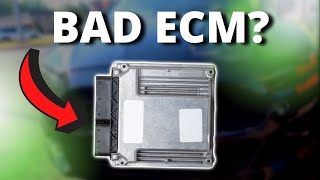
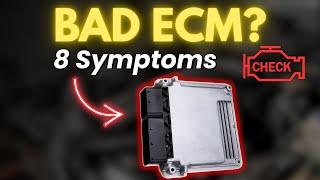
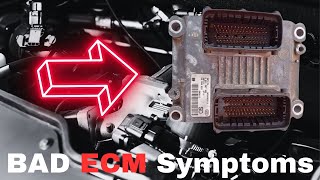
🎬 Watch: Common symptoms of a failing engine control module- Check Engine Light: This is often the first sign of a problem. Specific trouble codes related to the ECM's internal processor, like P0606, may be present. However, sometimes the ECM will incorrectly blame a good sensor.
- Engine Performance Issues: You might experience engine misfires, rough idling, a sudden loss of power, or poor acceleration. This can happen if the ECM is not correctly calculating the air-fuel ratio or ignition timing.
- Car Won't Start or Stalls: A completely failed ECM can prevent the engine from starting. It may also cause the engine to stall unexpectedly while driving, which is a major safety concern.
- Poor Fuel Economy: If you notice a sudden, significant drop in your gas mileage, a faulty ECM could be the cause.
- Transmission Shifting Problems: The ECM communicates with the transmission control module to ensure smooth shifting. A bad ECM can cause hard or erratic shifting.
- Miscellaneous Electrical Issues: In some cases, fluid from other components can travel through the wiring harness and contaminate the ECM, causing various electrical shorts and seemingly unrelated problems.
Diagnosing the P0606 Code
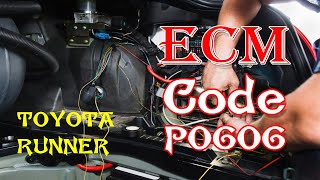
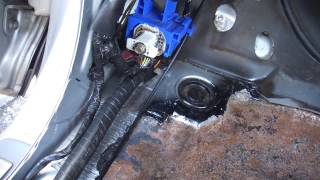
The OBD-II code P0606 specifically points to an "ECM/PCM Processor Fault." While this sounds like a definitive ECM failure, on 4th generation 4Runners, this code is often triggered by a failing external component, most commonly an Air/Fuel Ratio sensor or an Oxygen (O2) sensor. An erratic voltage signal from a bad sensor can trick the ECM into thinking it has an internal error. Before replacing the ECM for a P0606 code, it is critical to investigate and rule out faulty sensors and check for corroded ground wires first.
🎬 See this video on diagnosing the P0606 codePro Tip: If you have a P0606 code, check for any other sensor-related codes first. Resolving those issues (like replacing a bad O2 sensor) will often clear the P0606 code without needing to replace the expensive ECM.
Known Issues, Recalls, and Technical Service Bulletins (TSBs)
As of mid-2026, there are no specific recalls issued by the National Highway Traffic Safety Administration (NHTSA) for the Engine Control Module itself on the 2003 Toyota 4Runner. However, several relevant recalls and TSBs exist for the vehicle:
- NHTSA Recall 11V113000: This recall addresses an accelerator pedal that could get trapped by an incompatible or unsecured floor mat, causing unintended acceleration. The fix involves modifying the accelerator pedal.
- NHTSA Recall 03V146000: For V6 models, a fuel pulsation damper on the fuel rail could have been improperly assembled, potentially leading to a fuel leak and fire risk.
- TSB T-TT-0362-15: Toyota issued a technical tip acknowledging that the vehicle may be difficult to start or have a rough/low idle after the battery has been disconnected, which interrupts power to the ECM.
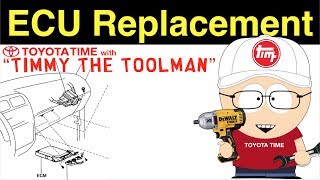
- TSB TSB-0064-10: This bulletin outlines the official procedure for "flash reprogramming" an ECU, which allows the software to be updated without replacing the entire module.
- Fluid Intrusion: Some owners have reported a rare but serious issue where transmission fluid or grease from the HVAC system can "wick" through the wiring harness and contaminate the ECM's connectors. This can cause widespread electrical shorts and damage both the ECM and various sensors. Inspecting the ECM connectors for any signs of oil or fluid is a wise diagnostic step.
Buying a Used 2003 4Runner ECM: Programming is Required
This is the most critical section for anyone buying a replacement ECM. You cannot simply swap a used ECM into your 2003 4Runner and expect it to work. The vehicle will not start due to the factory anti-theft system, also known as the immobilizer.
Warning: A replacement ECM, whether new, used, or remanufactured, MUST be programmed to your vehicle's Vehicle Identification Number (VIN) and synchronized with your existing ignition keys. Failure to do this will result in a no-start condition.
Compatibility and Part Numbers
First, you must ensure you are buying the correct ECM for your vehicle's specific configuration. The information provided and confirmed by multiple Toyota parts dealers indicates that the primary ECM for the 2003 4Runner with the 4.0L V6 and 4WD is:
- Part Number: 89666-35690 or the updated number 89666-35690-84.
This ECM fits 2003 4Runner models (SR5, Sport, Limited) equipped with the 4.0L V6 engine and 4-wheel drive. ECMs for the 4.7L V8 (like part number 89661-35A13) or 2WD models are different and will not work correctly. Always match the part number from your original ECM to the replacement unit.
Programming and Key Synchronization
The ECM, immobilizer, and the transponder chip in your key are all linked together. When you install a different ECM, this link is broken, and the immobilizer prevents the engine from starting as a theft-prevention measure.
To restore function, a few steps are necessary:
- VIN Programming: The replacement ECM needs to have your vehicle's VIN written to it. Some sellers of used or remanufactured ECMs offer this service before shipping if you provide them with your VIN.
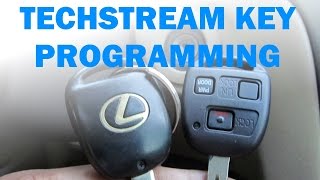
- Key Synchronization (Re-learning): The programmed ECM must then be taught to recognize your existing keys. While procedures exist for adding a *new* key when you already have a working *master* key, replacing the ECM itself is more complex. This step often requires specialized diagnostic tools, like Toyota's Techstream software, which are typically used by dealerships or well-equipped independent shops. 🎬 Watch: How to program keys using Techstream software Some advanced locksmiths may also have this capability.
Because of these requirements, it is essential to factor in the cost and logistics of programming when purchasing a used ECM. Simply buying the cheapest unit online without a plan for programming will result in a vehicle that does not run.
Cost of Replacing a 2003 4Runner ECM
The cost can vary significantly based on the part source and labor rates. Programming costs should always be factored in.
| Item | Estimated Cost | Notes |
|---|---|---|
| New OEM | $550 - $820 | Purchased from a Toyota dealership. Often comes with a core charge of around $100. |
| Remanufactured / Refurbished | $200 - $500 | A used OEM unit that has been tested, repaired, and often pre-programmed to your VIN. |
| Used OEM | $100 - $250 | Pulled from a salvage vehicle. You are responsible for finding a shop to perform the programming. |
| Shop Labor (Installation & Programming) | $100 - $300 | Physical replacement is quick (often under an hour), but programming adds time and cost. |
Frequently Asked Questions (FAQ)
Can I install a used ECM myself and drive to the dealer for programming?
No. Once you install the unprogrammed ECM, the vehicle's immobilizer will activate, and the engine will not start. The vehicle will need to be towed to the dealership or shop for programming.
Do I need a new key when I replace the ECM?
No, you should not need new keys. The programming process involves making the replacement ECM recognize your vehicle's existing transponder keys. However, this process requires specialized equipment.
Can an independent mechanic or locksmith program the ECM?
Possibly, but you must confirm with them beforehand. Many independent shops and some automotive locksmiths have advanced diagnostic tools (like Autel scanners or Toyota's Techstream software) that can perform VIN programming and key synchronization. However, not all shops are equipped for this, so always call and ask specifically if they can program a replacement ECM for a 2003 Toyota 4Runner.
Is a bad ECM a common problem on the 2003 4Runner?
While not as common as other issues like frame rust or melting dashboards, ECM failure does occur. Often, symptoms that appear to be a bad ECM are actually caused by less expensive issues like a faulty oxygen sensor, bad wiring, or poor ground connections, especially when a P0606 code is present. Always perform a thorough diagnosis before condemning the ECM.
Helpful Videos
Technical Specifications
OEM Part Numbers: 89666-35690 89666-35690-84 8966635690 896663569084 275000-5091
Fits 2003 Toyota 4Runner models with 4.0L V6 engine and 4-wheel drive (4WD).
We Have This Part in Stock



The information in this article is provided for general reference and educational purposes only. Vehicle specifications, procedures, and part compatibility can vary by production date, trim level, and region. Always consult your vehicle's factory service manual and verify part numbers before purchasing or performing repairs. Safety-critical components such as airbags, seat belts, and braking systems should be installed by a qualified professional.
- Toyota 4Runner:
- 🎬 Helpful Videos
- 🛍️ Shop This Part
- Symptoms of a Failing 2003 4Runner ECM
- Diagnosing the P0606 Code
- Known Issues, Recalls, and Technical Service Bulletins (TSBs)
- Buying a Used 2003 4Runner ECM: Programming is Required
- Compatibility and Part Numbers
- Programming and Key Synchronization
- Cost of Replacing a 2003 4Runner ECM
- Frequently Asked Questions (FAQ)
- 🎟️ Get 5% Off