

2017 Subaru Legacy & Outback ECM: Programming, PZEV, and Failure Symptoms
This guide covers the critical programming requirements, PZEV-specific details, and common failure symptoms for the Engine Control Module in the 2017 Subaru Legacy and Outback.
- A replacement ECM is NOT plug-and-play; it MUST be programmed to the vehicle's immobilizer by a dealer or specialist service.
- The ECM must match your vehicle's PZEV (Partial Zero Emission Vehicle) status. Check the emissions label under the hood to verify.
- Before replacing the ECM, check for available software updates (TSB 11-174-17) and have the battery and charging system professionally tested.
- Using a mail-in cloning service with a used OEM module is the most cost-effective solution, making the part plug-and-play and avoiding dealer programming fees.
Symptoms of a Failing ECM

A failing Engine Control Module in a 2017 Subaru Legacy or Outback can cause a wide range of confusing and intermittent issues. Because the ECM controls so many different systems, its failure can mimic other problems. Always perform a thorough diagnosis before replacing the module.
- Check Engine Light: A constant or intermittent Check Engine Light is the most common symptom. The light may appear with codes pointing to a specific sensor, but the root cause could be the ECM itself.
- Poor Engine Performance: You may notice a significant loss of power, sluggish acceleration, and poor fuel economy as the ECM struggles to manage the engine correctly.
- Starting Issues or Stalling: The engine may be difficult to start, require long cranking times, or fail to start at all. It might also stall unexpectedly while driving or when coming to a stop, which can be a serious safety hazard.
- Rough or Erratic Idle: The engine may idle roughly or have an RPM that fluctuates up and down for no apparent reason.
- Transmission Shifting Problems: In some cases, a faulty ECM can interfere with the operation of the automatic transmission, causing harsh shifts or other shifting irregularities.
- Multiple Unrelated Error Codes: A classic sign of internal ECM failure is the sudden appearance of numerous, seemingly unrelated diagnostic trouble codes (DTCs). For example, you might see codes for an oxygen sensor, a fuel injector, and a communication error all at once.
Pro Tip: Many electrical issues on these vehicles, including a dashboard lit up with multiple warning lights (a "Christmas tree" dash), are often caused by a weak or failing battery, not a bad ECM. Before suspecting the ECM, always have your battery and charging system professionally tested.
Common Diagnostic Trouble Codes (DTCs)
While many codes can result from an ECM issue, codes in the P06xx range specifically point to an internal fault within the control module itself.
- P05A0: Active Grille Air Shutter 'A' Stuck On. A Technical Service Bulletin (TSB) exists for this code, which can be resolved with an ECM software update.
- P0600: Serial Communication Link Malfunction. This indicates a communication breakdown between the ECM and other modules on the vehicle.
- P0601: Internal Control Module Memory Check Sum Error. This points to a problem with the ECM's internal memory.
- P0605: Internal Control Module Read Only Memory (ROM) Error. This indicates a failure in the ECM's permanent memory.
- P0606: ECM/PCM Processor Fault. This is a serious code indicating a failure of the main processor inside the engine computer.
Known Issues, TSBs, and Recalls

Technical Service Bulletin 11-174-17: ECM Reprogramming
Subaru issued a TSB for the 2017 Legacy and Outback to address several issues with a software update for the ECM. If your vehicle was manufactured before the VINs listed in the bulletin, it may benefit from this update. The reprogramming addresses:
- Check Engine Light with DTC P05A0 stored in memory.
- Potential battery discharge (dead battery) after repeated periods of short-trip driving.
A Subaru dealer can check if this update has been applied to your vehicle and perform the reprogramming if needed. This is often a good first step before replacing the module.
Important Safety Recall: Steering Column Failure
While not related to the ECM, owners should be aware of a critical safety recall (NHTSA Campaign Number 16V292000) for some 2016-2017 Legacy and Outback models. Affected vehicles may have a defective steering column that could result in a complete loss of steering control. Owners are advised to contact a Subaru dealer with their VIN to see if their vehicle is affected and to have the free repair performed immediately.
Buying a Used Engine Control Module

Buying a used OEM ECM is a cost-effective alternative to a new unit, but compatibility and programming are critical. Follow these guidelines to ensure a successful replacement.
1. Match the Part Number and PZEV Specification
The most important step is to match the part number exactly. The part number is printed on a sticker on the ECM's case. While several part numbers may be compatible, an exact match is the safest bet. The known OEM part numbers for this application are 22765AK43A, 22765AK48A, 22765AK48B, 22765AK48C, and 22765AK48D.
Warning: This ECM is for vehicles with PZEV (Partial Zero Emission Vehicle) emissions. You cannot use an ECM from a non-PZEV vehicle, or vice-versa. The software is different. To confirm if your vehicle is PZEV, check the Vehicle Emissions Control Information (VECI) label under the hood. The label will explicitly state "PZEV" or reference California SULEV standards.
2. The Critical Programming Step
A replacement ECM will not work until it is programmed to your specific vehicle. This is not a plug-and-play part. The process involves transferring the Vehicle Identification Number (VIN) and, most importantly, the immobilizer key data from your original ECM to the replacement unit. If this is not done, the immobilizer will prevent the engine from starting.
You have three main options for programming:
- Subaru Dealer: A dealer has the factory tools to program a new or used ECM to your car. This is the most straightforward but often most expensive option.
- Independent Repair Shop: Some independent shops that specialize in Subaru or have advanced diagnostic tools (like AutoTuner or similar professional equipment) may be able to perform the programming. Always confirm they have the capability for a 2017 model before proceeding.
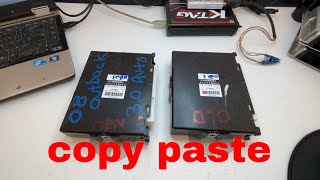
- Mail-In Cloning Service: Several companies specialize in "cloning" ECMs. You mail both your original ECM and the used replacement unit to them. They extract the data from your old module and write it to the replacement. The returned module is then plug-and-play, requiring no further programming. This is an excellent option for DIYers and can save significant money.
3. Physical Inspection
When buying a used ECM, inspect it for any signs of physical damage. Look for a bent or corroded case, damaged connector pins, or any evidence of water intrusion. Do not purchase a module that looks like it has been opened or tampered with.
Cost of Replacement
The cost to replace the ECM can vary dramatically depending on the path you choose. Opting for a used OEM part with a mail-in cloning service offers substantial savings over a new part from the dealer.
| Part / Service | Estimated Cost |
|---|---|
| New OEM Part | $900 - $1,100 |
| Used OEM Part | $40 - $150 |
| Remanufactured Part | $200 - $400 (Varies by supplier) |
| Shop Labor (Physical Swap) | $100 - $160 (Approx. 1 hour) |
| Dealer Programming / Flashing | $150 - $300 |
| Mail-In Cloning Service | $100 - $250 |
Replacement Procedure Overview
The ECM is located in the passenger-side footwell, under the carpet and a protective metal plate. While the physical swap is straightforward, remember that programming is required for the vehicle to run.
- Disconnect the Battery: Always disconnect the negative battery terminal before working on any electronic components.
- Access the ECM: Pull back the carpet on the passenger side floor, near the firewall. You may need to remove a plastic kick panel or trim piece first.
- Remove the Cover Plate: Unbolt the metal protective plate that covers the ECM. It is typically held on by 10mm bolts.
- Disconnect and Remove: Carefully unplug the electrical connectors from the ECM. Press the release tabs firmly. Once disconnected, unbolt the ECM from its mounting bracket and remove it from the vehicle.
- Install the New ECM: Installation is the reverse of removal. Secure the new module, plug in the connectors until they click, and reinstall the protective plate and carpet.
- Program the Module: Reconnect the battery. The vehicle will not start until the ECM is programmed by a dealer, qualified shop, or has been pre-cloned.
Frequently Asked Questions (FAQ)
Do I absolutely have to program a replacement ECM?
Yes. A replacement ECM for a 2017 Legacy or Outback must be programmed with your car's VIN and immobilizer information. Without this step, the car will not start. This applies to both new and used replacement modules.
Can I use an ECM from a non-PZEV Subaru in my PZEV car?
No. The software and engine tuning are different. You must use an ECM that matches your vehicle's emissions type (PZEV or non-PZEV) to ensure proper engine function and to pass emissions testing. Check the VECI label under the hood to confirm your car's specification.
Where is the ECM located on the 2017 Legacy and Outback?
The Engine Control Module is located in the front passenger footwell. It is under the carpet, behind a protective metal cover against the firewall.
Could my problem just be a bad battery?
Yes, absolutely. A weak or failing battery can cause a host of strange electrical problems in modern Subarus that can easily be mistaken for ECM failure, including multiple warning lights and performance issues. It is highly recommended to have your battery and charging system professionally tested before condemning the ECM.
What is an ECM "cloning" service?
Cloning is a service where a specialist company transfers all the critical data (VIN, immobilizer keys, software) from your original ECM to a donor (used) ECM. This makes the replacement unit plug-and-play, avoiding a costly trip to the dealer for programming. This is often the most practical solution when using a recycled part.
Helpful Videos
![How to Change ECU [Engine Control Unit Swap // Subaru]](https://img.youtube.com/vi/-EmwuYWWbUE/mqdefault.jpg)
Technical Specifications
OEM Part Numbers: 22765AK43A 22765AK48A 22765AK48B 22765AK48C 22765AK48D 22765AK48F
For vehicles with 2.5L engine, automatic (CVT) transmission, and PZEV emissions.
We Have This Part in Stock



The information in this article is provided for general reference and educational purposes only. Vehicle specifications, procedures, and part compatibility can vary by production date, trim level, and region. Always consult your vehicle's factory service manual and verify part numbers before purchasing or performing repairs. Safety-critical components such as airbags, seat belts, and braking systems should be installed by a qualified professional.
- Subaru Legacy:
- Subaru Outback:
- 🎬 Helpful Videos
- 🛍️ Shop This Part
- Symptoms of a Failing ECM
- Common Diagnostic Trouble Codes (DTCs)
- Known Issues, TSBs, and Recalls
- Technical Service Bulletin 11-174-17: ECM Reprogramming
- Important Safety Recall: Steering Column Failure
- Buying a Used Engine Control Module
- 1. Match the Part Number and PZEV Specification
- 2. The Critical Programming Step
- 3. Physical Inspection
- Cost of Replacement
- Replacement Procedure Overview
- Frequently Asked Questions (FAQ)
- 🎟️ Get 5% Off