

2014 Subaru Forester ECM: Your Guide to PZEV, Programming, and Replacement
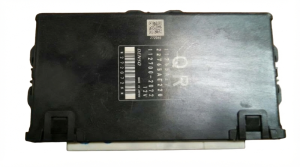
This guide covers the essential details for diagnosing, replacing, and programming the Engine Control Module for the 2014 Subaru Forester with the 2.5L PZEV engine.
- This ECM absolutely requires programming by a Subaru dealer or a specialist after installation; the car will not start without it.
- You must match the part number and ensure the ECM is for a 2014 Forester with a 2.5L PZEV engine and automatic (CVT) transmission.
- A used OEM module is a viable option, but the cost of programming or cloning must be included in the total repair cost.
- Common failure symptoms include a no-start condition, random stalling, a check engine light with communication codes, and poor engine performance.
Symptoms of a Failing ECM

A failing Engine Control Module can cause a wide range of problems, from noticeable performance issues to a car that won't start at all. Because the ECM controls so many functions, symptoms can sometimes be mistaken for other component failures.
- Check Engine Light: This is often the first and most common sign of a problem. The ECM may set codes related to its own internal circuits (P0600-P0607 range) or trigger codes for sensors that are actually working correctly.
- Engine Stalling or Misfiring: The engine may stall unexpectedly, stutter during acceleration, or misfire. This happens when the ECM fails to give the correct commands for fuel delivery and spark timing.
- No-Start Condition: If the ECM fails completely, it cannot manage the engine's functions required to start. The engine may crank but will not turn over.
- Poor Performance and Fuel Economy: A sudden, unexplained drop in gas mileage or a noticeable loss of power can indicate the ECM is not managing the engine efficiently.
- Automatic Transmission Issues: The ECM communicates with the Transmission Control Module (TCM). Faulty data from the ECM can cause rough or delayed shifting in the CVT automatic transmission.
Known Issues, TSBs, and Recalls

As of early 2026, there are no active recalls specifically for the Engine Control Module on the 2014 Subaru Forester with the 2.5L PZEV engine. The most prominent recall for this model year concerned floor mats that could interfere with the pedals.
Subaru has issued Technical Service Bulletins (TSBs) that involved ECM reprogramming for other 2014 Forester models. For example, service bulletin WQW-58R was released for the 2.0L turbo models to address issues like spark knock and rough idle through a software update. Another TSB, 11-187-18, also addressed hesitation in turbo models with an ECM reflash. While these do not apply to the 2.5L engine, they show that Subaru commonly uses software updates to resolve performance problems.
Important: This ECM is specifically for 2014 Subaru Forester models equipped with a 2.5L PZEV (Partial Zero-Emission Vehicle) engine and an Automatic (CVT) transmission. Using an ECM from a non-PZEV or manual transmission vehicle will not work.
Buying a Used Engine Control Module

Purchasing a used OEM ECM is a cost-effective way to get your Forester back on the road. However, there are critical factors to consider to ensure you get the right part and a successful repair.
- Match the Part Number Exactly: The most important step is to match the OEM part number from your original module. Known part numbers for this vehicle include 22765AE220, 22765AE221, 22765AE222, 22765AE223, 22765AE224, and 22765AE225. The last number in the sequence often indicates a newer revision, and 22765AE225 is listed as a replacement for the earlier versions.
- Physical Inspection: When you receive the used module, inspect the case for any signs of damage, and look closely at the connector pins. Ensure they are straight, clean, and free of any corrosion. Water damage is a common cause of electronic failure, so check for any signs of moisture intrusion.
- Factor in Programming Costs: A used ECM is not a plug-and-play part. You MUST budget for the cost of programming, which can be $100-$300 or more. The vehicle will not start until this is done.
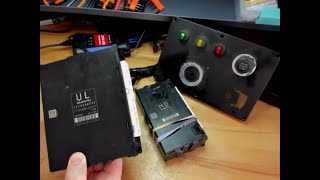
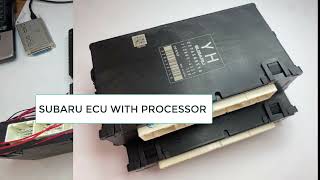
- Consider a Cloning Service: Some specialized repair shops offer an ECM cloning service. With this service, you send both your original module and the replacement module to the company. They transfer the critical data (like VIN and immobilizer keys) from your old unit to the new one, making it truly plug-and-play and avoiding a trip to the dealer. 🎬 See how Subaru immobilizer systems work and how to save
Programming and Installation

Physically replacing the ECM is straightforward, but the electronic programming is the most critical part of the job.
Warning: The vehicle will NOT start after a replacement ECM is installed until it has been programmed to the car's immobilizer system. You will need to have the vehicle towed to a dealership or a qualified independent shop for this procedure.
Location
The ECM is located in the passenger-side footwell. It is under the carpet, protected by a metal plate. You will need to pull back the carpet from the firewall to access it.
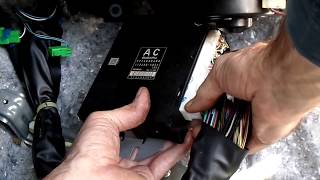
🎬 Watch: A quick walkthrough of the Subaru computer removal processInstallation Steps
- Disconnect the negative terminal from the vehicle's battery.
- Access the passenger footwell and pull back the carpet to expose the metal ECM cover plate.
- Remove the bolts holding the cover plate to access the ECM.
- Carefully disconnect the electrical harnesses from the old ECM.
- Remove the bolts securing the ECM and swap it with the replacement unit.
- Reconnect the electrical harnesses to the new ECM, reinstall the cover plate, and put the carpet back in place.
- Reconnect the battery.
- Have the vehicle towed to a Subaru dealership or a repair shop with Subaru-specific diagnostic tools (like the SSM-III or SSM-IV) to have the immobilizer system and keys programmed to the new ECM.
Cost Breakdown
The costs for replacing a 2014 Forester ECM can vary significantly depending on the source of the part and labor rates.
| Part/Service | Estimated Cost |
|---|---|
| New OEM | $650 - $1,250 |
| Remanufactured | $250 - $500 |
| Used OEM | $75 - $150 |
| Shop Labor (Installation & Programming) | $150 - $400 |
Frequently Asked Questions (FAQ)
Can I install a used ECM myself and drive my car to the dealer for programming?
No. Due to the anti-theft immobilizer system, the engine will not start after you install the replacement ECM. The vehicle must be towed to a facility that can perform the programming.
Does the part number on the replacement ECM have to match my old one exactly?
Yes, this is highly recommended. While some part numbers may supersede older ones (e.g., 22765AE225 replaces 22765AE220), you must ensure the replacement is for a 2014 Forester with a 2.5L PZEV engine and automatic transmission. Using an incorrect module will lead to compatibility issues.
What is PZEV and why is it important for the ECM?
PZEV stands for Partial Zero-Emission Vehicle. These vehicles have stricter emissions controls compared to standard models. The ECM for a PZEV vehicle has specific software and calibration to meet these standards. An ECM from a non-PZEV car will not function correctly and will likely cause check engine lights and failed emissions tests.
🎬 Watch: How Subaru's PZEV system works and why it mattersCan an independent mechanic program the new ECM, or do I have to go to a Subaru dealer?
A well-equipped independent shop that specializes in Subaru or has advanced diagnostic tools like a J2534 pass-thru device may be able to program the ECM. However, a Subaru dealership is the most certain option. Always confirm with an independent shop that they have the specific capability to program a 2014 Forester ECM before having the vehicle towed there.
Helpful Videos

Technical Specifications
OEM Part Numbers: 22765AE220 22765AE221 22765AE222 22765AE223 22765AE224 22765AE225
For vehicles with 2.5L PZEV engine and Automatic (CVT) transmission.
We Have This Part in Stock

The information in this article is provided for general reference and educational purposes only. Vehicle specifications, procedures, and part compatibility can vary by production date, trim level, and region. Always consult your vehicle's factory service manual and verify part numbers before purchasing or performing repairs. Safety-critical components such as airbags, seat belts, and braking systems should be installed by a qualified professional.
- Subaru Forester: