

2003 Subaru Forester Engine Control Module: A Guide to Part Numbers, Swaps, and Failure
This guide details the common failure symptoms, replacement procedures, and critical part number matching required for the 2003 Subaru Forester 2.5L non-turbo ECM.
- For a 2003 Forester, you MUST match the part number on your old ECM to the replacement unit exactly.
- If the part number is an exact match, programming is generally NOT required for this specific model year.
- The ECM is located under the carpet in the passenger-side footwell, making it vulnerable to water damage.
- Symptoms of failure include a no-start condition, poor engine performance, and a persistent check engine light.
Symptoms of a Failing 2003 Forester ECM
Diagnosing a faulty ECM can be tricky because the symptoms often mimic other engine problems. However, a failing module on a 2003 Forester will typically present a cluster of issues. Look for these common signs:
🎬 Watch: Learn more about common failing ECM symptoms- Check Engine Light: A persistent check engine light is the most common indicator. Codes related to internal module memory errors (like P0604 or P0607) are strong pointers to the ECM itself.
- Engine Performance Problems: You may experience a sudden loss of power, poor acceleration, engine stuttering, or random misfires. An incorrect air-fuel mixture caused by a bad ECM can lead to rough idling and hesitation.
- No-Start or Intermittent Stalling: A completely failed ECM can prevent the engine from starting at all. It may crank but never turn over. More commonly, the engine might start and then randomly shut off while driving.
- Drastic Drop in Fuel Economy: If the ECM is commanding an overly rich fuel mixture, you may notice a sudden and significant decrease in your gas mileage.
- Automatic Transmission Shifting Issues: The ECM communicates with the Transmission Control Module (TCM). A faulty ECM can send incorrect signals, leading to rough or erratic shifting in automatic models.
Known Issues, Recalls, and Technical Service Bulletins (TSBs)
For the 2003 model year, there are no specific recalls issued by the National Highway Traffic Safety Administration (NHTSA) for the Engine Control Module itself. However, there were recalls for front seat belts and an automatic transmission parking rod.
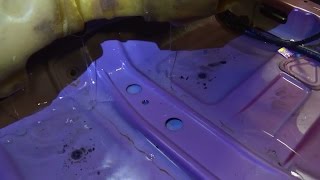
While not a recall, water intrusion is a known risk. The ECM is located in the passenger-side footwell, under the carpet and a protective metal plate. This location makes it vulnerable to damage if water leaks into the cabin from a bad windshield seal or deep puddles. Some owners choose to relocate the ECM to a higher position, such as inside the glove box, as a preventative measure.
🎬 See this step-by-step guide to relocating your ECUPro Tip: Before assuming your ECM has failed, check for common external causes. This includes inspecting for corroded wiring, ensuring the battery terminals are clean and tight, and checking for a bad ground connection, as these issues can mimic ECM failure.
Buying a Used Engine Control Module (ECM)
Purchasing a used OEM ECM is a cost-effective way to get your Forester back on the road. However, compatibility is absolutely critical. Follow these guidelines to ensure you get the right part.
The #1 Rule: Match the Part Number EXACTLY
The most important step is to physically inspect your original ECM and match its part number to the replacement unit. The known OEM part numbers for the 2003 Forester 2.5L Non-Turbo with an automatic transmission include 22611AG591, 22611AG592, 22611AG593, 22611AG594, 22611AG595, 22611AG596, and 22611AG597. These modules are programmed specifically for the vehicle's transmission type (automatic vs. manual), engine, and emissions equipment. Using a module with a different part number, even if it looks identical, will likely result in a no-start condition or severe performance issues.
Programming and Immobilizer
For the 2003 model year Forester (specifically the non-turbo models), the immobilizer system is less complex than in later vehicles. Generally, if you replace a failed ECM with a used one that has the exact same part number, the vehicle should start and run without requiring special programming or a trip to the dealer. This makes the swap a 'plug-and-play' procedure.
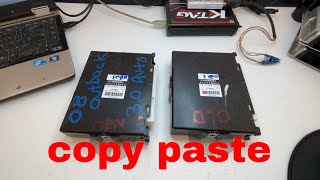
Warning: While typically plug-and-play, some sellers or repair services may offer programming services where they transfer data from your old unit to the replacement. This is a good option if you are unsure about compatibility or if your original module is damaged in a way that prevents reading the part number.
Physical Inspection
When you receive a used ECM, inspect it carefully. Look for:
- No signs of water damage: Check for corrosion or water marks on the case and especially around the connectors.
- Unopened case: The factory seal should be intact. If it looks like the module has been opened, it may have been tampered with or poorly repaired.
- Clean connectors: The pins should be straight, clean, and free of corrosion.
Replacement Cost Breakdown
The cost to replace the ECM can vary significantly based on the type of part you choose. Here is an estimated breakdown:
| Part Type | Estimated Cost |
|---|---|
| New OEM | $700 - $1100 (if available) |
| Remanufactured | $240 - $500 |
| Used OEM | $30 - $100 |
| Shop Labor | $100 - $200 |
Step-by-Step Replacement Guide
Replacing the ECM is a straightforward job that most DIY mechanics can complete in under an hour.
- Disconnect the Battery: Before working on any vehicle electronics, always disconnect the negative terminal of the battery to prevent electrical shorts.
- Access the ECM: The ECM is located in the passenger-side footwell. You will need to pull back the door sill trim and then lift the carpet to expose a metal cover plate.
- Remove the Cover: Undo the bolts holding the metal cover plate to access the ECM.
- Unplug and Remove the ECM: Carefully disconnect the wiring harnesses from the module. Then, unbolt the ECM from its mounting bracket.
- Install the New ECM: Bolt the replacement module into place, reconnect the wiring harnesses, and reinstall the metal cover plate.
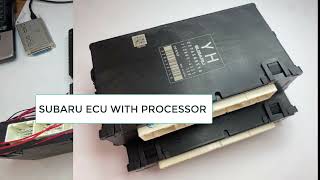
- Reconnect Battery: Lay the carpet back down, reinstall the trim, and reconnect the negative battery terminal. The vehicle should now start and run with the replacement ECM. 🎬 Watch: How to swap a Subaru Engine Control Unit
Frequently Asked Questions
Does a replacement ECM for a 2003 Forester need to be programmed?
Generally, no. If you replace the original ECM with a used one that has the exact same part number, it is typically a plug-and-play installation that does not require programming or a dealer visit for a 2003 non-turbo Forester.
Where is the ECM located on a 2003 Subaru Forester?
The ECM is located in the passenger-side footwell, under the carpet. It is protected by a metal cover plate bolted to the floor.
Can I use an ECM from a manual transmission Forester in my automatic?
No. The ECMs are programmed differently for automatic and manual transmissions. You must use an ECM that matches your vehicle's original specifications, which is why matching the part number is essential.
What causes the ECM to fail?
Common causes of failure include internal damage from power surges (like improper jump-starting), corrosion from water intrusion into the passenger footwell, and damage to the wiring harness that can cause a short. Age and heat cycles can also cause internal electronic components to fail over time.
Helpful Videos
![How to Change ECU [Engine Control Unit Swap // Subaru]](https://img.youtube.com/vi/-EmwuYWWbUE/mqdefault.jpg)
Technical Specifications
OEM Part Numbers: 22611AG591 22611AG592 22611AG593 22611AG594 22611AG595 22611AG596 22611AG597
Fits 2003 Subaru Forester with 2.5L Non-Turbo engine and Automatic Transmission. Location: Under RH (passenger side) dash/footwell.
We Have This Part in Stock


The information in this article is provided for general reference and educational purposes only. Vehicle specifications, procedures, and part compatibility can vary by production date, trim level, and region. Always consult your vehicle's factory service manual and verify part numbers before purchasing or performing repairs. Safety-critical components such as airbags, seat belts, and braking systems should be installed by a qualified professional.
- Subaru Forester:
- 🎬 Helpful Videos
- 🛍️ Shop This Part
- Symptoms of a Failing 2003 Forester ECM
- Known Issues, Recalls, and Technical Service Bulletins (TSBs)
- Buying a Used Engine Control Module (ECM)
- The #1 Rule: Match the Part Number EXACTLY
- Programming and Immobilizer
- Physical Inspection
- Replacement Cost Breakdown
- Step-by-Step Replacement Guide
- Frequently Asked Questions
- 🎟️ Get 5% Off