

2002-2003 Saab 9-3 Engine Control Module: A Guide to Trionic 7 Failures and Replacement
This guide covers the critical details of diagnosing, replacing, and programming the Trionic 7 Engine Control Module (ECM) in your first-generation Saab 9-3.
- This ECM is NOT plug-and-play. A replacement unit must be programmed ('married') to your car's immobilizer using a Tech 2 tool or by 'cloning' your original ECM's data.
- The most common failure symptom is the engine stalling when hot and refusing to restart until it has cooled down.
- Diagnostic codes P0601, P0605, or P0606 are a strong indication that the ECM itself has failed internally.
- This guide applies only to the 2002 9-3 and the 2003 9-3 Convertible, which use the Trionic 7 system.
Vehicle Fitment and Generation Note
This guide specifically covers the Saab Trionic 7 (T7) Engine Control Module found in the 2002 Saab 9-3 (all models) and the 2003 Saab 9-3 Convertible. These models are part of the 'first generation' (OG 9-3) platform. The 2003 Saab 9-3 Sedan belongs to the 'next generation' (NG9-3) and uses a different engine management system (Trionic 8), which is not covered here.
Symptoms of a Failing Trionic 7 ECM
A failing ECM can cause a wide range of confusing and intermittent issues. Because the ECM is the engine's brain, its failure can mimic many other mechanical or sensor problems.
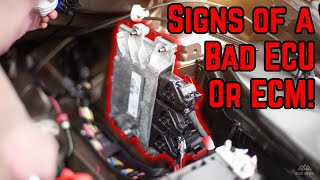
🎬 Watch: Learn the common signs of a failing ECU- Engine Stalling When Hot: This is a classic sign of T7 ECM failure. The engine may run fine when cold, but after warming up, it will suddenly stall and refuse to restart until it has cooled down for a period, which can range from 20 minutes to over an hour.
- Check Engine Light: An illuminated Check Engine Light is common. Scanning for codes will often reveal internal module faults.
- No-Start Condition: The engine may crank but fail to start, or it may not crank at all.
- Erratic Engine Behavior: You might experience symptoms like a rough idle, hesitation, surging, or a general loss of power.
- Multiple, Unrelated Fault Codes: A failing ECM can sometimes generate a long list of seemingly unrelated error codes for various sensors, as its ability to process information correctly degrades.
Common Diagnostic Trouble Codes (DTCs)
- P0601 - Internal Control Module Memory Check Sum Error: This is a very common code pointing directly to an internal memory fault in the ECM. It is often caused by corrupted data in the ECU's memory or internal component failure.
- P0605 - Internal Control Module Read Only Memory (ROM) Error: Indicates a problem with the ECM's permanent memory.
- P0606 - ECM/PCM Processor Fault: This code signals a major fault with the ECM's central processor.
Warning: The presence of codes P0601, P0605, or P0606 almost always confirms that the ECM itself is faulty and needs to be replaced or repaired.
Buying a Used Engine Control Module (ECM)
Purchasing a used ECM is a cost-effective option, but it requires careful attention to detail due to Saab's security system. Unlike many other parts, a used ECM is NOT a plug-and-play component.
The #1 Rule: Programming is Mandatory
A replacement ECM, whether new, used, or remanufactured, must be electronically 'married' to your specific vehicle. The ECM contains the Vehicle Identification Number (VIN) and the immobilizer code, which must match the other electronic modules in your car. If this step is skipped, the car's anti-theft system will prevent the engine from starting.
There are two primary methods for programming a replacement ECM:
- Cloning: This is the most common and straightforward method for a used ECM. A specialist service will read the data (VIN, immobilizer, software version) from your original, faulty ECM and write it directly onto the replacement used unit. This makes the replacement ECM an exact electronic copy of your original. Many online vendors offer this as a mail-in service.
- 'Adding' with a Tech 2 Tool: A Saab-specific diagnostic tool, called a Tech 2, can be used to 'add' a new or used ECM to the car. This process involves logging into the car's system, divorcing the old module (if possible), and marrying the new one. This typically requires a visit to a Saab specialist or a well-equipped independent shop.
What to Look For When Buying Used
- Part Number Match: While not always strictly necessary if you are cloning, matching the OEM part number (e.g., 5169990) is the safest way to ensure compatibility.
- Physical Inspection: Check the used ECM for any signs of physical damage, corrosion on the pins, or evidence that the case has been opened before.
- Reputable Seller: Buy from a seller who understands the programming requirement and can guarantee the unit is functional and not from a flood-damaged vehicle.
Pro Tip: Before sending your original ECM for cloning, take a clear photo of the sticker that contains the VIN and immobilizer code. This information is critical for the programming process.
Known Issues, Recalls, and TSBs
For the 2002-2003 model years, there are no specific recalls or Technical Service Bulletins (TSBs) directly related to the failure of the Trionic 7 ECM itself. However, several recalls were issued for other components:
- 2002 Saab 9-3 Recalls: Recalls were issued for issues including the fuel pump, a bipolar transistor overheating that could cause stalling, and tie rod nuts.
- 2003 Saab 9-3 Recalls: A recall was issued for a fuel pump issue.
While not official recalls, the heat-related stalling and internal memory errors (P0601) are widely documented by owners and repair shops as the primary failure mode for these modules.
Cost of Replacement
The cost can vary significantly based on the path you choose. Programming is a required additional cost unless included by the part seller.
| Part/Service | Estimated Cost | Notes |
|---|---|---|
| New OEM ECM | $1100+ | Often difficult to find new. Still requires programming. |
| Remanufactured ECM | $500 - $600 | Often sold as a plug-and-play service where you send your old unit for cloning. |
| Used OEM ECM | $75 - $300 | The part itself is affordable, but programming is a separate, required cost. |
| Shop Labor (Replacement & Programming) | $200 - $400 | This can be part of a larger bill if the shop supplies the part. Total shop replacement can be $1000-$1700. |
| Cloning/Programming Service (Mail-in) | $150 - $250 | You send your original and replacement units to a specialist. |
Frequently Asked Questions (FAQ)
Can I just swap in a used ECM from another 2002 Saab 9-3?
No. A used ECM will not work without being programmed to your car's specific VIN and immobilizer code. The car will not start until this is done.
Do I need a Saab dealer to program a new ECM?
Not necessarily. Many independent shops specializing in European cars have a Tech 2 tool and the knowledge to program a Saab ECM. Additionally, mail-in cloning services are a popular option that doesn't require a shop visit.
What is 'cloning' and is it reliable?
Cloning is the process of copying the essential security and configuration data from your old ECM to a replacement unit. It is a very reliable and common practice in the Saab community, effectively creating an identical twin of your original module.
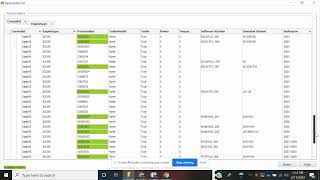
🎬 Watch: How to clone and update Saab T7 ECUsMy mechanic says my ECM is bad, but the car runs fine sometimes. Is that possible?
Yes, this is very common. ECM failures are often intermittent, especially at first. The most frequent symptom is the car stalling only after it has fully warmed up, then working again once it cools down.
Helpful Videos
Technical Specifications
OEM Part Numbers: 5166822 5169990
Engine Management System: Saab Trionic 7 (T7)
We Have This Part in Stock


The information in this article is provided for general reference and educational purposes only. Vehicle specifications, procedures, and part compatibility can vary by production date, trim level, and region. Always consult your vehicle's factory service manual and verify part numbers before purchasing or performing repairs. Safety-critical components such as airbags, seat belts, and braking systems should be installed by a qualified professional.
- Saab 9-3:
- 🎬 Helpful Videos
- 🛍️ Shop This Part
- Vehicle Fitment and Generation Note
- Symptoms of a Failing Trionic 7 ECM
- Common Diagnostic Trouble Codes (DTCs)
- Buying a Used Engine Control Module (ECM)
- The #1 Rule: Programming is Mandatory
- What to Look For When Buying Used
- Known Issues, Recalls, and TSBs
- Cost of Replacement
- Frequently Asked Questions (FAQ)
- 🎟️ Get 5% Off