

2011 Nissan Murano ECM: Decoding Programming, Immobilizer, and Compatibility
This guide details the critical programming requirements, anti-theft system integration, and compatibility warnings you must know before replacing the Engine Control Module on your 2011 Nissan Murano.
- Programming is NOT optional. The ECM must be programmed to the vehicle's immobilizer (NATS) and all keys must be re-registered.
- Compatibility is critical. The ECM must match your Murano's drivetrain (FWD/AWD) and emissions type (Federal/California).
- A used OEM part can be a good value, especially if purchased from a vendor who offers pre-programming services based on your VIN.
- A dealer, equipped independent shop, or automotive locksmith is required to perform the final programming and key registration.
Symptoms of a Failing 2011 Murano ECM

A failing Engine Control Module can cause a wide range of confusing and intermittent issues. Because the ECM controls so many functions, symptoms can often be mistaken for other problems. Look for these common signs:
- Check Engine Light: An illuminated Check Engine Light is a primary symptom. While many issues can trigger the light, specific codes like P0600, P0601, or P0605 point directly to an internal ECM fault.
- Engine Performance Issues: You may experience a sudden loss of power, engine stuttering, hesitation during acceleration, rough idling, or frequent stalling. These problems occur because the ECM can no longer accurately manage the air-fuel mixture and ignition timing.
- No-Start Condition: The engine may crank but refuse to start. This can happen if the ECM is not sending the correct signals to the fuel injectors or ignition coils, or if it has lost its programming with the vehicle's anti-theft system.
- Poor Fuel Economy: A sudden and significant drop in gas mileage can be a sign of an ECM problem. If the module fails to properly regulate the engine, it can lead to inefficient fuel consumption.
- Erratic Transmission Behavior: The ECM shares data with the Transmission Control Module (TCM). A faulty ECM can send incorrect data, leading to rough, delayed, or improper gear shifts.
Known Issues, TSBs, and Recalls

As of early 2026, there are no specific recalls for the Engine Control Module on the 2011 Nissan Murano. However, there is a key Technical Service Bulletin (TSB) that is highly relevant to this part.
- TSB #NTB12091A: This bulletin, issued by Nissan, states that many replacement Engine Control Modules are shipped as "Blank" units. This means they contain no software and must be programmed from scratch using a dealership-level diagnostic tool. This officially confirms that a simple swap is not possible.
Critical Compatibility Warning: The ECM for the 2011 Murano is highly specific. You MUST match the part number to your vehicle's exact configuration. There are different modules for:
- Front-Wheel Drive (FWD) vs. All-Wheel Drive (AWD)
- Federal Emissions vs. California Emissions (CAL)
Installing an ECM from a vehicle with a different drivetrain or emissions package will result in compatibility issues and likely prevent the vehicle from running correctly, if at all. Always verify the part number on your original module before purchasing a replacement.
Buying a Used Engine Control Module (ECM)

Purchasing a used OEM ECM is a cost-effective way to repair your Murano, but it requires careful attention to detail. Given the complex programming requirements, it's not as simple as buying a mechanical part.
Verification and Inspection:
- Match the Part Number Exactly: This is the most important step. Locate the sticker on your original ECM and find the OEM part number (e.g., 23710-1SX3A, 23710-1SX3B). Only purchase a used module with the identical part number or a verified superseded number.
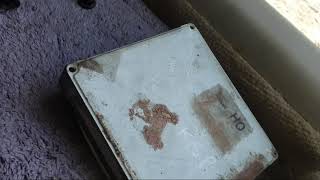
- Check for Physical Damage: Inspect the used module for any signs of damage, especially to the case and connector pins. Look for corrosion, bent pins, or cracks in the housing, which could indicate water intrusion or physical impact.
- Reputable Seller: Buy from a seller who specializes in used auto electronics and offers a warranty. Ask if they have any history on the donor vehicle, such as mileage.
- Programming Services: Many online sellers offer pre-programming (also called flashing or cloning) services. They will ask for your vehicle's VIN and program the used ECM before shipping it to you. This can significantly simplify the installation process, though a final key relearn procedure may still be necessary.
Pro Tip: A used OEM module, even one that requires programming, is often a better choice than a cheap, new aftermarket unit. OEM modules are built to Nissan's original specifications and are less likely to have compatibility or quality issues.
Programming and Immobilizer Requirements

THIS MODULE REQUIRES PROGRAMMING. You cannot simply install a replacement ECM and expect the vehicle to start. The ECM is a central component of the Nissan Anti-Theft System (NATS).
- What is NATS? The NATS is an immobilizer system that prevents the engine from starting unless a correctly programmed key is used. The ECM, Body Control Module (BCM), and the chip in your key are all synchronized. When you replace the ECM, this synchronization is broken.
- The Procedure: A process called "C/U Initialization" must be performed. This procedure registers the new ECM with the vehicle's other modules and, most importantly, re-registers all of your existing keys to the new ECM. Any keys not present during the programming procedure will be erased and will no longer start the car.
- Who Can Program It?
- Nissan Dealership: A dealer has the required Nissan CONSULT diagnostic tool and can perform the programming.
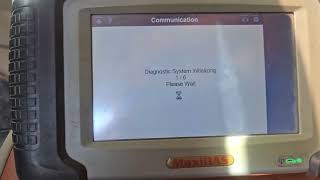
- Automotive Locksmiths: Many professional locksmiths have advanced tools (like the Autel IM608) that can communicate with the NATS and program the ECM and keys.
- Independent Repair Shops: A well-equipped independent shop with J2534 pass-thru equipment or other high-level scan tools can often perform the necessary programming.
Cost Breakdown
The cost to replace the ECM can vary dramatically based on the part source and labor for programming.
| Item | Estimated Cost |
|---|---|
| New OEM (Dealer) | $1,100 - $2,100 |
| New Aftermarket | $400 - $800 |
| Used OEM / Recycled | $75 - $250 |
| Remanufactured (Pre-programmed) | $200 - $500 |
| Shop Labor (Installation & Programming) | $150 - $300 |
Note: Prices are estimates as of early 2026 and do not include taxes or potential diagnostic fees.
Frequently Asked Questions (FAQ)
Can I replace the ECM myself?
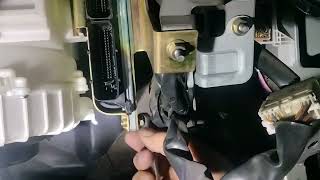
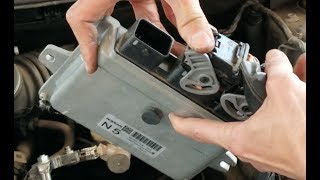
Physically replacing the ECM is straightforward for a DIY mechanic. It is typically located in the engine bay and secured with a few bolts and electrical connectors. 🎬 See this walkthrough on how to remove and install the unit However, the vehicle will not start until the module is professionally programmed. You will need to arrange for a mobile technician to program it on-site or have the vehicle towed to a shop after installation.
Do I need to replace my keys if I replace the ECM?
No, you do not need new keys. However, all of your existing keys must be present during the programming procedure so they can be re-registered to the new ECM. Any key that is not re-registered will be erased from the system and will no longer be able to start the engine.
What is the difference between a "blank" ECM and a "pre-programmed" one?
A "blank" ECM has no software on it, as described in Nissan TSB NTB12091A. It requires a full software installation and configuration. A "pre-programmed" or "cloned" ECM, often sold by online remanufacturers, has been loaded with your vehicle's VIN and base software, which can make the final on-vehicle programming and key relearn process faster and easier.
My mechanic says the ECM is bad. What should I check first?
Before condemning the ECM, which is an expensive part, ensure all other possibilities have been ruled out. Check the battery, alternator, and all power and ground connections to the ECM. A visual inspection for corrosion on the connectors or damage to the wiring harness is also crucial. ECM failure is relatively rare, and symptoms often overlap with simpler-to-fix sensor or wiring issues.
Helpful Videos
Technical Specifications
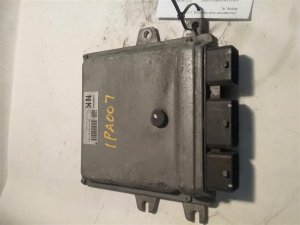
OEM Part Numbers: 23710-1SX3B 23710-1SX3A 23710-1SX2A 23710-1SX0A 23710-1SX1A 23710-1GR1A
This module is for 2011 Nissan Murano models with a 3.5L V6 engine. Specific part numbers are required for Front-Wheel Drive (FWD) vs. All-Wheel Drive (AWD) and Federal vs. California emissions systems.
We Have This Part in Stock




The information in this article is provided for general reference and educational purposes only. Vehicle specifications, procedures, and part compatibility can vary by production date, trim level, and region. Always consult your vehicle's factory service manual and verify part numbers before purchasing or performing repairs. Safety-critical components such as airbags, seat belts, and braking systems should be installed by a qualified professional.
- Nissan Murano: