

2003 Nissan Altima 2.5L ECM: Crank Sensor Failures and Replacement Guide
A critical look at why the Engine Control Module in the 2003 Altima fails, its connection to crankshaft sensor recalls, and the essential programming steps for replacement.
- A failing crankshaft position sensor is a known issue that can cause ECM failure or mimic its symptoms; it should be diagnosed and likely replaced along with the ECM.
- This ECM is NOT plug-and-play. It requires programming by a dealer, locksmith, or qualified shop to sync with your vehicle's anti-theft system and keys.
- Compatibility is extremely specific: this ECM only fits 2003 Altimas with the 2.5L engine, automatic transmission, and cruise control, built from January 2003 onward.
- Common symptoms of failure include sudden engine stalling, a no-start condition, and an illuminated Check Engine Light with code P0335.
Known Issues: The Crankshaft Sensor Connection
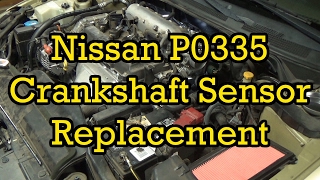
A widespread and well-documented issue on the 2003 Nissan Altima with the 2.5L engine involves the crankshaft position sensor. Nissan issued recalls because a faulty sensor could overheat or send an interrupted signal. This can cause the engine to stall unexpectedly, often at low speeds, lose power, or fail to start. While the recall's primary solution was to reprogram the ECM to better tolerate signal interruptions from the sensor, a failing sensor can sometimes cause electrical stress that damages the ECM itself. Many owners report replacing both the crank sensor and the ECM to resolve persistent stalling issues. Therefore, if you are diagnosing an ECM, it is crucial to also inspect and likely replace the crankshaft position sensor 🎬 Watch: Step-by-step crankshaft position sensor replacement guide at the same time.
Warning: The symptoms of a bad crankshaft position sensor are nearly identical to those of a failing ECM. Always diagnose or replace the crankshaft position sensor first, as it is a less expensive part and a common point of failure.
Symptoms of a Failing 2003 Altima ECM
When the ECM begins to fail, it can cause a wide range of problems. Because it controls so many different systems, symptoms can sometimes be confusing.
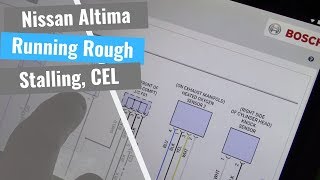
- Engine Stalling or Misfiring: The engine may stall for no reason, especially when warm or at low speeds. 🎬 See a diagnostic walkthrough for stalling and rough idle This is the most reported symptom, often linked to the crankshaft sensor issue.
- Car Won't Start: The engine may crank but refuse to start. This can happen if the ECM isn't sending the correct signals for spark or fuel injection.
- Check Engine Light: An illuminated Check Engine Light is a common sign. Codes related to the crankshaft position sensor (like P0335) are frequent, but you may also see codes for internal ECM errors (P0600-P0606 range).
- Poor Engine Performance: You might notice a sudden drop in fuel economy, sluggish acceleration, or a rough idle.
- Transmission Shifting Problems: Since the ECM communicates with the transmission control module, a faulty ECM can cause hard or erratic shifting in automatic transmissions.
Buying a Used 2003 Altima Engine Control Module
Purchasing a used OEM ECM is a cost-effective solution, but careful matching is required to ensure it works correctly.
Compatibility is Critical
This specific ECM fits a narrow range of vehicles. You must verify that the donor vehicle was a 2003 Nissan Altima equipped with:
- 2.5L 4-cylinder engine
- Automatic transmission
- Cruise control
- Built from January 2003 onwards
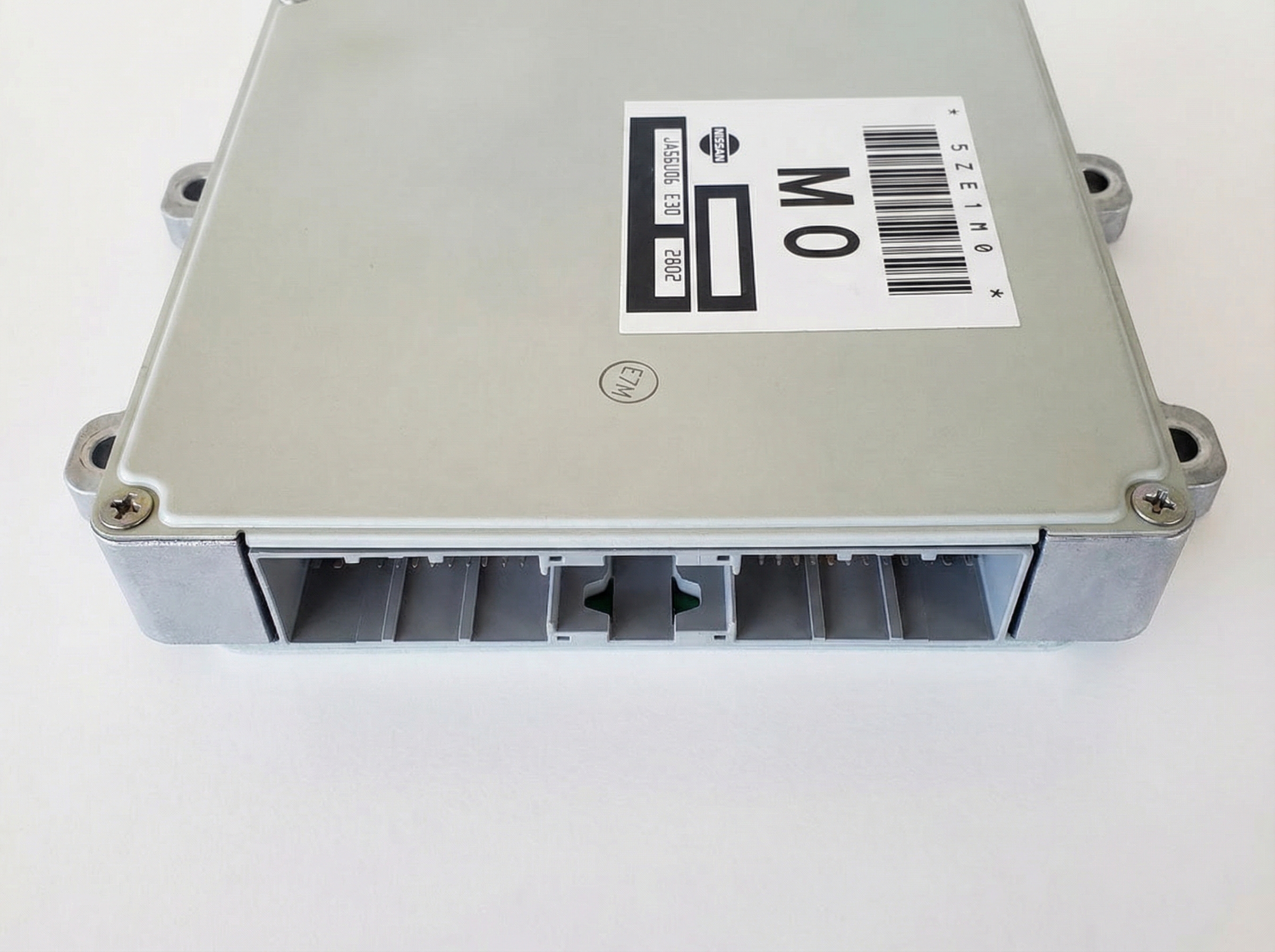
Part numbers are the most reliable way to ensure a match. Look for one of these numbers on the label of the module:
- 23710-9J004
- 23710-9J001
- JA56U06E30
Several other part numbers may also supersede or be compatible.
Physical Inspection
When you receive your used ECM, inspect it carefully. Check the case for any signs that it has been opened, and look at the connector pins for any corrosion or damage. Water intrusion can destroy an ECM, so any signs of moisture or rust are a major red flag.
Programming and Installation Requirements
Warning: A replacement ECM, whether new or used, must be programmed to your vehicle. It is not a plug-and-play part.
The ECM is linked to the Nissan Anti-Theft System (NATS). After installation, the vehicle will not start until the ECM is programmed with your vehicle's VIN and your keys are registered to the new module. This procedure requires specialized diagnostic tools.
Who can program the ECM?
- Nissan Dealership: A dealer has the proprietary CONSULT diagnostic tool and is the most reliable option for programming.
- Automotive Locksmith: Many mobile locksmiths have advanced tools that can program Nissan ECMs and keys.
- Independent Repair Shops: Some independent shops have high-end scan tools (like Autel or Snap-on with programming capabilities) that can perform this function. 🎬 Watch: How to perform NATS initialization and programming
Pro Tip: Some companies that sell remanufactured ECMs offer a service to pre-program the unit with your VIN before shipping it to you. This can sometimes simplify the process, though key registration may still be required on-site.
Cost Breakdown
The cost to replace the ECM can vary significantly based on the source of the part and labor rates.
| Part or Service | Estimated Cost |
|---|---|
| New OEM Part | $1350 - $1760 |
| Remanufactured Part | $200 - $400 |
| Used OEM Part | $50 - $150 |
| Shop Labor (Installation & Programming) | $186 - $273 |
Frequently Asked Questions (FAQ)
Do I have to replace the ECM if the crankshaft sensor fails?
Not always. However, a failing crankshaft sensor was the subject of a recall and is known to cause stalling. Because the symptoms are identical and a bad sensor can potentially damage the ECM, it's highly recommended to replace the sensor first or at the same time as the ECM.
Can I drive with a bad ECM?
It is not recommended. A failing ECM can cause the engine to stall at any time without warning, which is a serious safety hazard. The vehicle will be unreliable and may leave you stranded.
Will an ECM from a junkyard work?
Yes, provided the part number matches your original ECM exactly and it comes from an identical vehicle (2003 Altima, 2.5L, AT, with cruise). However, it will still need to be programmed to your car's anti-theft system and keys before the engine will run.
What is the difference between an ECM, ECU, and PCM?
The terms are often used interchangeably. ECM (Engine Control Module) and ECU (Engine Control Unit) refer to the computer that controls the engine. PCM (Powertrain Control Module) typically refers to a single computer that manages both the engine and the transmission. For this vehicle, these terms all point to the same main computer.
Helpful Videos




Technical Specifications
OEM Part Numbers: 23710-9J004 237109J001 JA56U06E30 23710-8J000 23710-8J001 23710-9J000 23710-9J002 23710-9J003 23710-9J00A 23710-9J00B
For vehicles with 2.5L QR25DE engine, automatic transmission, and cruise control.
We Have This Part in Stock

The information in this article is provided for general reference and educational purposes only. Vehicle specifications, procedures, and part compatibility can vary by production date, trim level, and region. Always consult your vehicle's factory service manual and verify part numbers before purchasing or performing repairs. Safety-critical components such as airbags, seat belts, and braking systems should be installed by a qualified professional.
- Nissan Altima:
- 🎬 Helpful Videos
- 🛍️ Shop This Part
- Known Issues: The Crankshaft Sensor Connection
- Symptoms of a Failing 2003 Altima ECM
- Buying a Used 2003 Altima Engine Control Module
- Compatibility is Critical
- Physical Inspection
- Programming and Installation Requirements
- Cost Breakdown
- Frequently Asked Questions (FAQ)
- 🎟️ Get 5% Off