

2002 Nissan Altima ECM: Programming, Recalls, and Common Failures
Before you replace the Engine Control Module in your 2002 Altima, understand the critical programming requirements and common issues that mimic a failed ECM.
- Replacing the ECM is NOT plug-and-play; the vehicle's keys MUST be reprogrammed to the new module by a dealer or qualified locksmith due to the NATS immobilizer system.
- Before suspecting the ECM, thoroughly investigate the recalled crankshaft position sensor, as it causes identical symptoms like stalling and no-starts.
- A shredding serpentine belt can damage nearby wiring, shorting out and destroying the ECM. Always inspect the belt and wiring harnesses when diagnosing a failed ECM.
- You must match the part number from your original ECM exactly to ensure compatibility with your vehicle's emissions system and options.
CRITICAL: Programming and Immobilizer Requirements

Replacing the ECM in a 2002 Nissan Altima is NOT a simple plug-and-play job. The vehicle is equipped with the Nissan Anti-Theft System (NATS), which links the ECM to your specific keys. If you install a different ECM, the immobilizer system will activate, preventing the engine from starting. The security indicator light on the dashboard will likely stay on, and the engine will crank but not fire.
Warning: After installing a replacement ECM—whether it is new, used, or remanufactured—you MUST have the vehicle's keys reprogrammed to the new module. This procedure requires specialized diagnostic tools like the Nissan CONSULT-II or a compatible high-end scanner. It must be performed by a Nissan dealership, a qualified independent mechanic, or an automotive locksmith. Do not attempt to simply swap the module, as the vehicle will be undrivable until it is reprogrammed.
Is Your ECM Really the Problem? Common Misdiagnoses


Many issues that seem like a catastrophic ECM failure on the 2002 Altima are often caused by other, less expensive components. Before condemning your ECM, investigate these well-known problems.
1. Crankshaft Position Sensor Failure (Recall Issue)
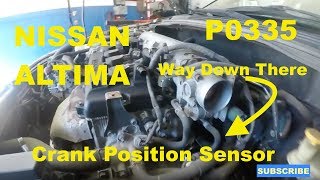
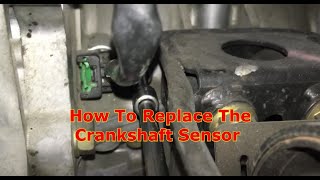
One of the most common sources of engine trouble on this vehicle is a faulty crankshaft position sensor. This issue was so widespread that Nissan issued a recall (NHTSA Campaign ID: 07V527000). A failing sensor can cause intermittent stalling, especially at low speeds, a crank-but-no-start condition, and a check engine light. The recall notice states that the signal interruption can be so brief that the ECM doesn't have time to diagnose it, leading to a sudden engine stall without warning. Because these symptoms perfectly mimic a bad ECM, it is essential to check if your vehicle has had the recall service performed and to test the crankshaft sensor before replacing the computer.
🎬 Watch: How to replace the crankshaft sensor on a 2.5L engine.2. The Shredding Serpentine Belt Mystery
A unique and frequently overlooked cause of ECM failure on this Altima is a shredding serpentine belt. When the belt begins to fail, it doesn't always snap cleanly. Instead, it can peel apart into long, thin strips. These rubber strips can whip around the engine bay at high speed, damaging the wiring harness for the Intake Valve Timing (IVT) solenoid. If these wires are damaged and short together, they can send a massive electrical current back to the ECM, instantly destroying the internal circuits that control the solenoid. If you are diagnosing a failed ECM, inspect the serpentine belt and the IVT solenoid wiring for any signs of impact or damage.
3. Catalytic Converter Failure
The 2.5L engine in the 3rd generation Altima is known for premature failure of the pre-catalytic converter, which is integrated into the exhaust manifold. The ceramic honeycomb material inside can break apart, and pieces can be sucked back into the engine's cylinders during valve overlap. This causes severe engine damage, oil consumption, and misfires. While this is a mechanical issue, the resulting error codes (like P0300 for random misfire or P0420 for catalyst inefficiency) and poor performance can sometimes be misdiagnosed as an ECM problem.
Symptoms of a Failing ECM

While it's important to rule out other causes first, a truly failed ECM can exhibit the following symptoms:
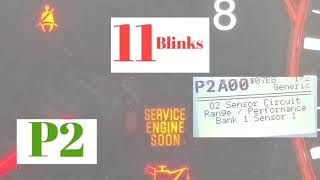
- Check Engine Light: The light may be illuminated, and you may find codes like P0601 (Internal Control Module Memory Check Sum Error) or P0605 (Internal Control Module Read Only Memory (ROM) Error).
- Engine Will Not Start: The engine may crank but will not fire, or it may not crank at all.
- Engine Stalling or Misfiring: The engine may run rough, stutter, or stall intermittently for no apparent reason.
- Poor Performance and Fuel Economy: A failing ECM can result in a sudden drop in gas mileage or a noticeable loss of power.
- No Communication: An OBD-II scanner may be unable to communicate with the ECM, which is a strong indicator of a complete module failure. 🎬 See how to read and reset your Altima's ECU codes.
ECM Location

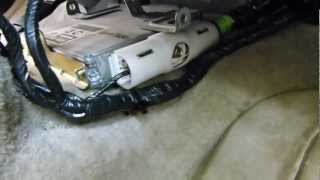
The ECM in the 2002 Nissan Altima is located inside the cabin, behind the glove box on the passenger side. You will need to remove the glove box assembly to gain access to the module and its connectors.
Buying a Used 2002 Altima ECM: What to Know
Purchasing a used OEM ECM is a cost-effective way to get your Altima back on the road, but it requires careful attention to detail.
- Verify the Part Number: It is absolutely critical to match the part number on your original ECM to the used replacement. There are different modules for Federal and California emissions, and for vehicles with or without cruise control. Using the wrong module can cause compatibility issues even after programming. Check the sticker on your original ECM for numbers like 23710-8J000 or 23710-8J001.
- Physical Inspection: When you receive the used part, inspect the case for any signs of physical damage, and look at the connector pins to ensure they are straight and free of corrosion.
- Budget for Programming: Remember that the cost of the part is not the final cost. You must factor in the price of having the module programmed to your vehicle's keys by a professional.
- Why Used OEM is a Good Choice: A used original Nissan ECM is designed specifically for your vehicle's systems. Unlike some new aftermarket units which can have quality and compatibility issues, a used OEM part that is properly programmed will restore the original performance and functionality.
Cost Breakdown
The cost to replace the ECM can vary significantly based on the path you choose. All options require a programming fee.
| Part / Service | Estimated Cost |
|---|---|
| New OEM ECM (Part Only) | $800 - $1200+ |
| Remanufactured ECM (Part Only) | $200 - $400 |
| Used OEM ECM (Part Only) | $40 - $100 |
| Shop Labor (Physical Swap) | $75 - $150 |
| Shop Labor (Key Programming) | $100 - $250 |
Frequently Asked Questions (FAQ)
Do I have to go to a Nissan dealer for programming?
Not necessarily. While a Nissan dealer can always perform the service, many certified independent auto repair shops and automotive locksmiths have the tools (like a high-end Snap-on or Autel scanner, or a dedicated Nissan CONSULT tool) and expertise to reprogram keys to the ECM. It is wise to call ahead and confirm they can perform this specific service on a 2002 Nissan.
What happens if I just install a used ECM without programming it?
The engine will not start. The Nissan Anti-Theft System (NATS) will identify a mismatch between the keys and the ECM and will disable the fuel and/or ignition system. The car will be completely immobilized until the keys are correctly programmed to the replacement ECM.
Could a bad ground wire cause ECM problems?
Yes. A poor or corroded ground connection can cause a wide range of bizarre electrical issues that can mimic ECM failure. The ECM requires a stable voltage and a clean ground to operate correctly. Before replacing the module, it's always a good practice to locate, clean, and tighten all major engine and chassis ground connections.
Where is the ECM located on a 2002 Nissan Altima?
The ECM is located inside the vehicle, positioned behind the passenger-side glove box. You will need to open or remove the glove box to access the mounting bolts and electrical connector.
🎬 Watch this walkthrough on how to remove and replace the ECM.Helpful Videos
Technical Specifications
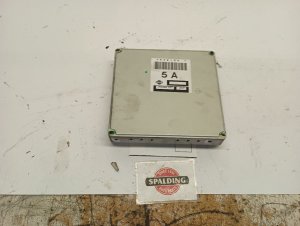
OEM Part Numbers: 23710-8J000 23710-8J001 23710-8J010 23710-8J060 23710-8J061 23710-8J070 JA56Q66E09 MECA56W32EA0 A56-W32 EA0
Located behind the passenger-side glove box. Requires key reprogramming via Nissan CONSULT-II or equivalent diagnostic tool after installation.
We Have This Part in Stock


The information in this article is provided for general reference and educational purposes only. Vehicle specifications, procedures, and part compatibility can vary by production date, trim level, and region. Always consult your vehicle's factory service manual and verify part numbers before purchasing or performing repairs. Safety-critical components such as airbags, seat belts, and braking systems should be installed by a qualified professional.
- Nissan Altima:
- 🎬 Helpful Videos
- 🛍️ Shop This Part
- CRITICAL: Programming and Immobilizer Requirements
- Is Your ECM Really the Problem? Common Misdiagnoses
- 1. Crankshaft Position Sensor Failure (Recall Issue)
- 2. The Shredding Serpentine Belt Mystery
- 3. Catalytic Converter Failure
- Symptoms of a Failing ECM
- ECM Location
- Buying a Used 2002 Altima ECM: What to Know
- Cost Breakdown
- Frequently Asked Questions (FAQ)
- 🎟️ Get 5% Off